The Hubble Space Telescope has spent decades circling Earth, its gaze steady, patient, and unhurried. It has watched galaxies collide, stars be born, and light travel for billions of years before reaching its instruments. Familiarity, one might think, would dull surprise. Yet even now, Hubble occasionally delivers an image that interrupts routine and sends a ripple of quiet disbelief through the scientific community.
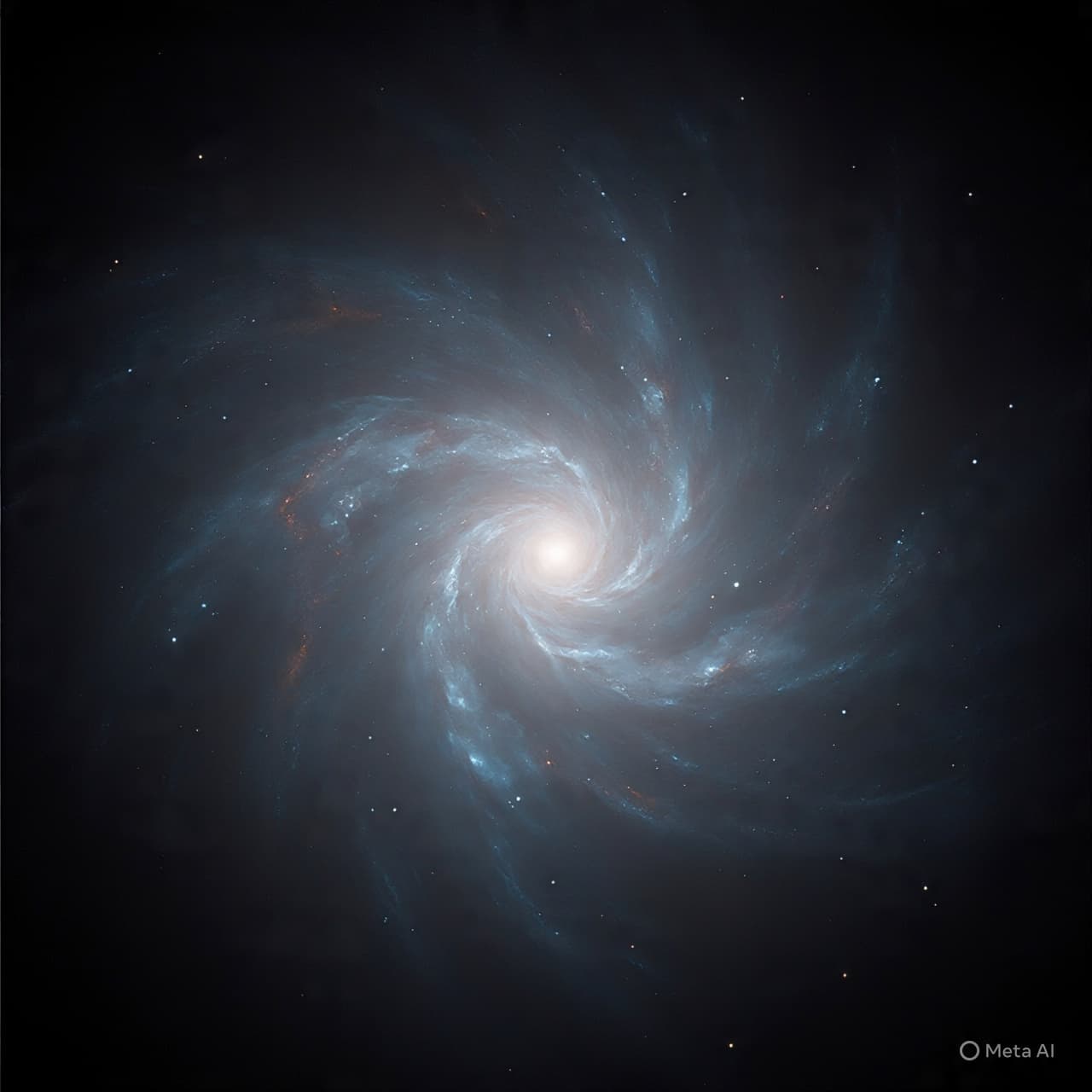
That interruption arrived with the observation of an unusual cosmic object that does not sit comfortably within existing categories. It is not quite a star, not clearly a galaxy, and not easily explained by the models astronomers rely on to organize the sky. Seen through Hubble’s precise optics, the object appears isolated and distinct, its properties resisting quick classification.
Astronomers describe moments like this with restrained enthusiasm, but the phrase “on Cloud Nine” has surfaced more than once. The excitement does not come from spectacle alone. It comes from recognition. Astronomy advances not only by confirming what is expected, but by encountering what does not fit, what forces theories to stretch or soften at the edges.
Initial analysis suggests the object may represent an extreme or previously unseen stage of cosmic evolution. Its light signature, structure, and environment differ from comparable objects cataloged so far. Researchers are careful with language, avoiding premature labels, yet the implication is clear: something unfamiliar has entered the record.
For scientists, this kind of discovery is both invitation and burden. It invites follow-up observations across other telescopes and wavelengths, and it burdens existing frameworks with new questions. How common are such objects? How long do they persist? And what do they reveal about the processes that shape matter across cosmic time?
Hubble’s role in this moment is also part of the story. Long after newer observatories have joined the field, the aging telescope continues to prove its relevance. Its deep archive and sharp resolution allow astronomers to notice subtle anomalies that might otherwise be overlooked, especially when patience and context matter more than novelty.
The coming months will bring additional scrutiny. Other observatories will be tasked with observing the object, and theorists will test whether known physics can account for its behavior. It may eventually find a place within an expanded category, or it may remain an outlier that quietly reshapes understanding.
In simple terms, Hubble has observed a rare and puzzling object in space that appears different from anything previously cataloged, prompting excitement and renewed investigation among astronomers as they work to understand what it represents.
AI Image Disclaimer Illustrations were created using AI tools and are not real photographs.
Published by Banx Network. This article is part of the Banx decentralized media programme, powered by the BXE token on the XRP Ledger.