In Washington, where statements often arrive wrapped in ceremony and precedent, certain words carry a weight beyond their ink. “National emergency” is one of them—a phrase that feels less like a sudden alarm and more like a bell tolling through time. When President Donald Trump declared such an emergency in response to what his administration described as the threat posed by Cuba, the moment did not unfold as a rupture, but as a continuation of a long and complicated rhythm between two countries separated by water and decades of unresolved history.
The declaration rested on a familiar legal foundation. For years, successive U.S. administrations have renewed emergency authorities tied to Cuba, rooted in Cold War–era statutes that allow restrictions on trade, financial transactions, and diplomatic engagement. Under Trump, the language hardened, framing Cuba not merely as a legacy concern but as an active source of risk to U.S. national interests. Officials pointed to Havana’s political system, its alliances, and its actions abroad as justification for maintaining extraordinary measures.
Yet the declaration did not arrive with sirens or immediate disruption to daily American life. Instead, it moved quietly through official channels, reinforcing policies already in place: limits on commerce, tightened travel rules, and a reaffirmation of economic pressure. To supporters, the move signaled resolve—an assertion that longstanding grievances would no longer be softened by normalization efforts. To critics, it appeared as a symbolic escalation, one that leaned on the vocabulary of crisis without altering the essential landscape.
Across the Florida Straits, the announcement landed differently. Cuban officials rejected the premise of threat, characterizing the emergency declaration as political theater designed for domestic audiences. They pointed to decades of embargo and isolation as evidence that the imbalance of power lay not in Havana’s favor, but firmly in Washington’s hands. The exchange added another layer to a relationship already dense with mistrust and rhetorical posturing.
For observers, the declaration underscored how national emergencies can function as both legal tools and narrative devices. They authorize continuity as much as change, allowing governments to preserve policies that might otherwise require fresh debate. In this case, the emergency framed Cuba not as a neighbor in gradual transition, but as a static danger—an image resistant to nuance or evolution.
As the administration clarified its position, officials emphasized that the declaration aligned with a broader strategy of pressure, one aimed at influencing political outcomes in Cuba and signaling firmness to allies and adversaries alike. The emergency status, they noted, was subject to periodic review, even as it drew from a lineage of renewals stretching back generations.
In the end, the declaration stood as an official reaffirmation rather than a dramatic pivot. It formalized a posture that had shaped U.S.–Cuba relations for much of the past half-century, reminding both nations that history, once codified into law, can be remarkably persistent.
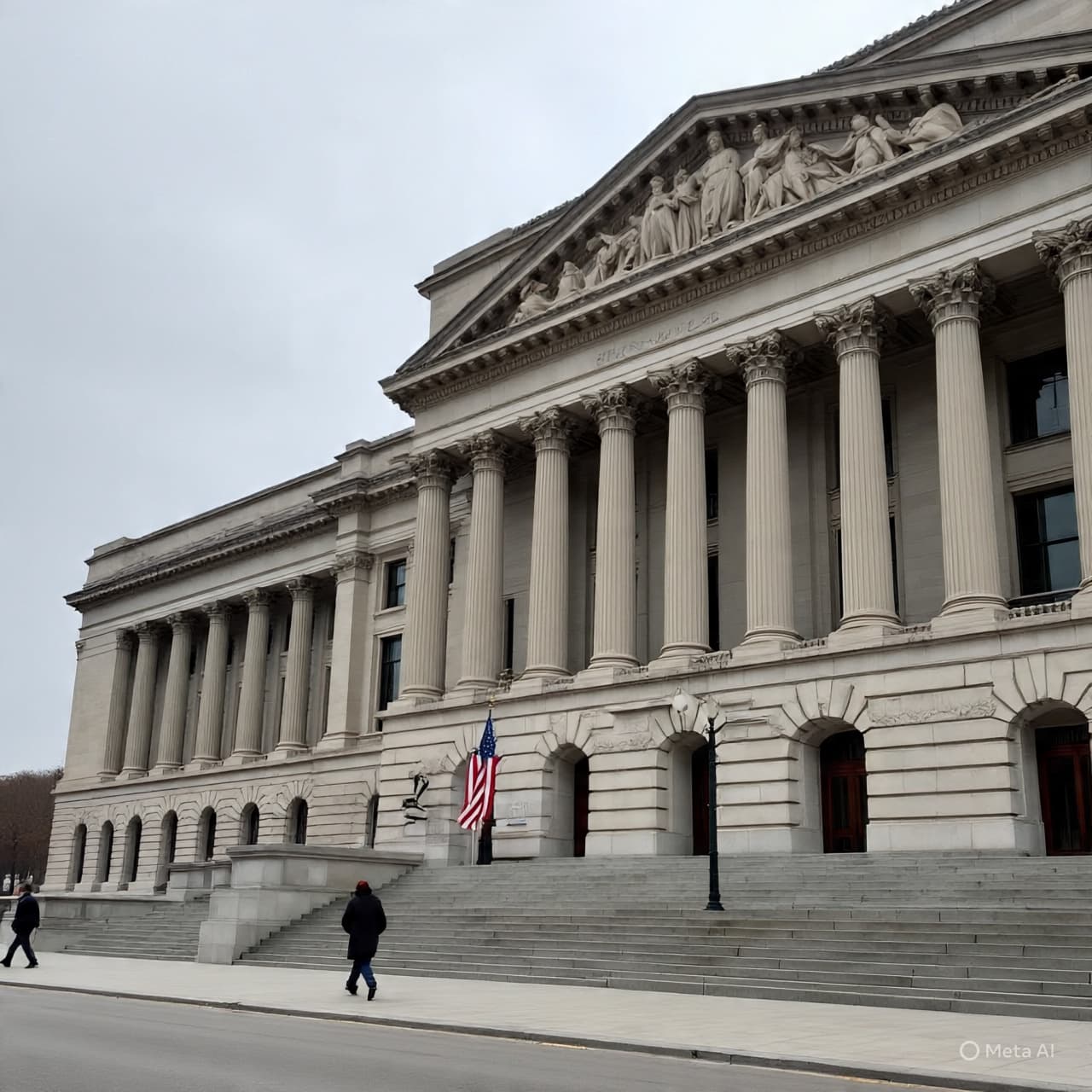
AI Image Disclaimer Visuals are AI-generated and serve as conceptual representations.
Sources (Media Names Only) Associated Press Reuters The New York Times Politico BBC News
Published by Banx Network. This article is part of the Banx decentralized media programme, powered by the BXE token on the XRP Ledger.