
Key Highlights
- Event:The Munich Security Conference is set to address transatlantic security issues.
- Concerns:European leaders express anxiety over U.S. policy shifts affecting alliances.
- Future:Discussions on European autonomy in defense are gaining traction.
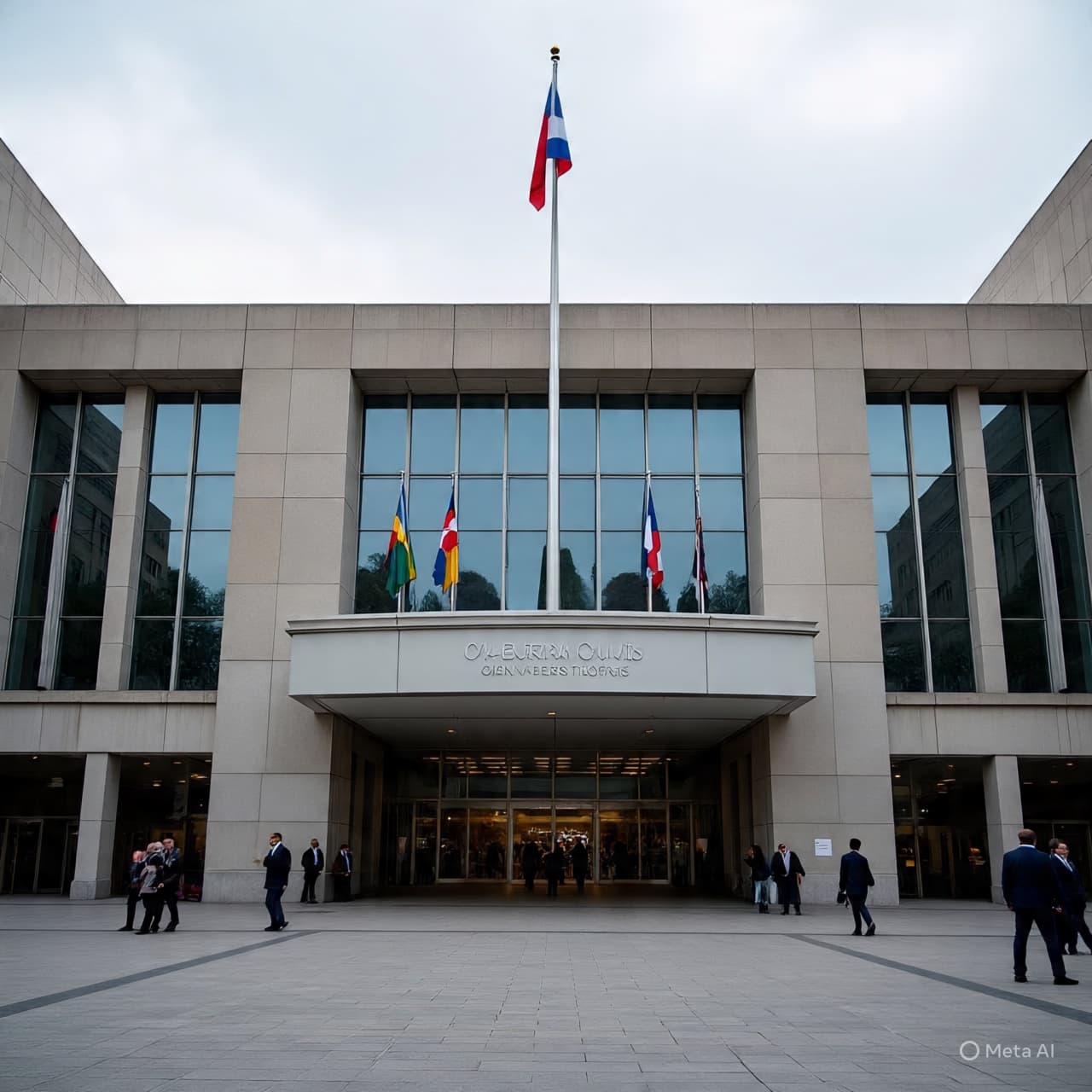
The Munich Security Conference, one of the most significant gatherings for international defense dialogue, is approaching, and with it comes a palpable sense of uncertainty across Europe. From Lisbon to Warsaw, leaders are preparing to confront the evolving dynamics of transatlantic relations, particularly in light of recent shifts in U.S. foreign policy under President Donald Trump. This year’s conference is expected to be a pivotal moment for addressing these concerns.
Historically, the post-World War II order has provided a framework for European security, characterized by alliances and shared norms largely upheld by U.S. leadership. However, the latest Munich Security Report for 2026 reveals a growing sentiment among European officials that this order is under significant strain. Many experts argue that the transactional nature of U.S. politics is eroding the cooperative frameworks that have long defined relations among allies.
Polls released alongside the Munich report indicate that a majority of Europeans are increasingly worried that recent U.S. policy decisions could undermine the rules-based international order established after 1945. This anxiety is not merely about potential fractures in the alliance but reflects a broader concern regarding the reliability of traditional guarantees, such as collective defense and predictable diplomacy. Countries like Germany, France, Italy, and the United Kingdom are voicing these fears, suggesting a collective reevaluation of their security strategies.
A significant part of this unease stems from what many perceive as a retreat from liberal internationalism, a principle that has historically underpinned NATO and other multilateral agreements. The Munich report highlights that Washington’s recent focus on burden-sharing and a reassessment of defense commitments have sparked discussions about the need for European nations to enhance their own security capabilities. This shift indicates a potential move away from automatic reliance on U.S. leadership, prompting European leaders to contemplate how they can sustain their defense independently.
Despite these concerns, official dialogues continue. A notable U.S. delegation, including the Secretary of State and members of Congress, is expected to attend the Munich conference with the aim of bridging the trust gap and reaffirming commitment to the transatlantic alliance. Wolfgang Ischinger, the conference chairman, has characterized this gathering as an opportunity to address what he terms a “crisis of confidence” and to maintain open lines of cooperation between Europe and the United States.
The atmosphere at the conference is anticipated to be one of recalibration rather than outright confrontation. European leaders acknowledge the importance of their alliance with Washington, even as they engage in discussions about the future direction of their security policies. There is a growing recognition that Europe must take on a greater share of the defense burden and invest in its collective capabilities, reflecting a significant shift in the discourse surrounding European security.
As the Munich Security Conference unfolds, the central question will not only be about the future direction of Western security but also about how shared that direction remains. The longstanding partnership with the United States is being tested, and Europe is now faced with the reality that the world order of previous generations may not be the one that future generations will inherit. The outcomes of this conference could have lasting implications for transatlantic relations and the broader geopolitical landscape.
Published by Banx Network. This article is part of the Banx decentralized media programme, powered by the BXE token on the XRP Ledger.



