
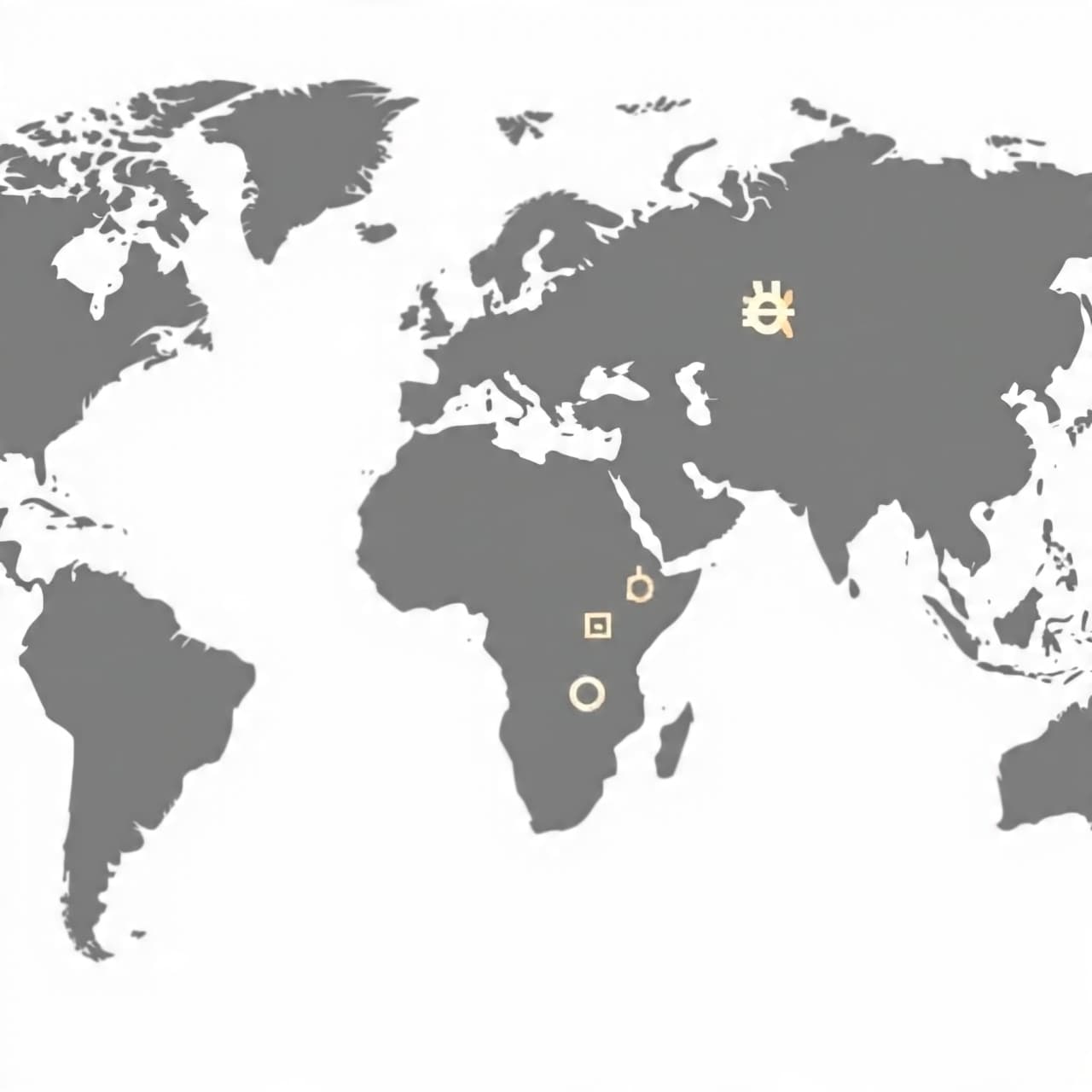
There are ideas that age like parchment, yellowed yet legible, waiting for the right light to reveal their meaning again. John Maynard Keynes’s proposal for a global currency known as the Bancor is one such idea, drafted in the aftermath of global rupture and quietly set aside as the modern monetary order took shape.
The Bancor was never meant to dominate. It was imagined as a neutral unit of account, designed to smooth trade between nations and discourage the quiet accumulation of imbalance. In Keynes’s vision, both deficit and surplus countries would share the burden of adjustment, creating a system less prone to resentment and rupture.
History chose a different path. The US dollar assumed a central role, offering stability for decades but also embedding asymmetries that grew over time. As global trade expanded, so too did the gaps between exporters and importers, creditors and debtors, often without an agreed mechanism to correct course.
The return of Donald Trump to the political stage, with renewed emphasis on tariffs and economic nationalism, has unsettled that arrangement. Trade once framed as mutually beneficial is again described in terms of winners and losers. Markets have responded with caution, and allies with recalibration.
In this climate, the Bancor has re-entered discussion not as a ready solution but as a reminder that alternatives were once imagined. Economists and commentators have begun to ask whether a system built on cooperation rather than dominance might better absorb today’s shocks.
There is no broad movement to adopt a global currency, nor any immediate mechanism to replace existing institutions. Yet the renewed interest suggests unease with the present order and curiosity about paths not taken.
As governments navigate tariffs, capital flows, and strategic competition, Keynes’s abandoned proposal serves as a quiet reference point. It reminds policymakers that stability is not only about strength, but about balance.
For now, the Bancor remains what it has always been: an idea ahead of its time, resurfacing when the world feels slightly out of step with itself.
AI Image Disclaimer “Illustrations were produced with AI and serve as conceptual depictions.”
Sources identified (media names only):
Financial Times The Economist Bloomberg Project Syndicate The Guardian
Published by Banx Network. This article is part of the Banx decentralized media programme, powered by the BXE token on the XRP Ledger.


