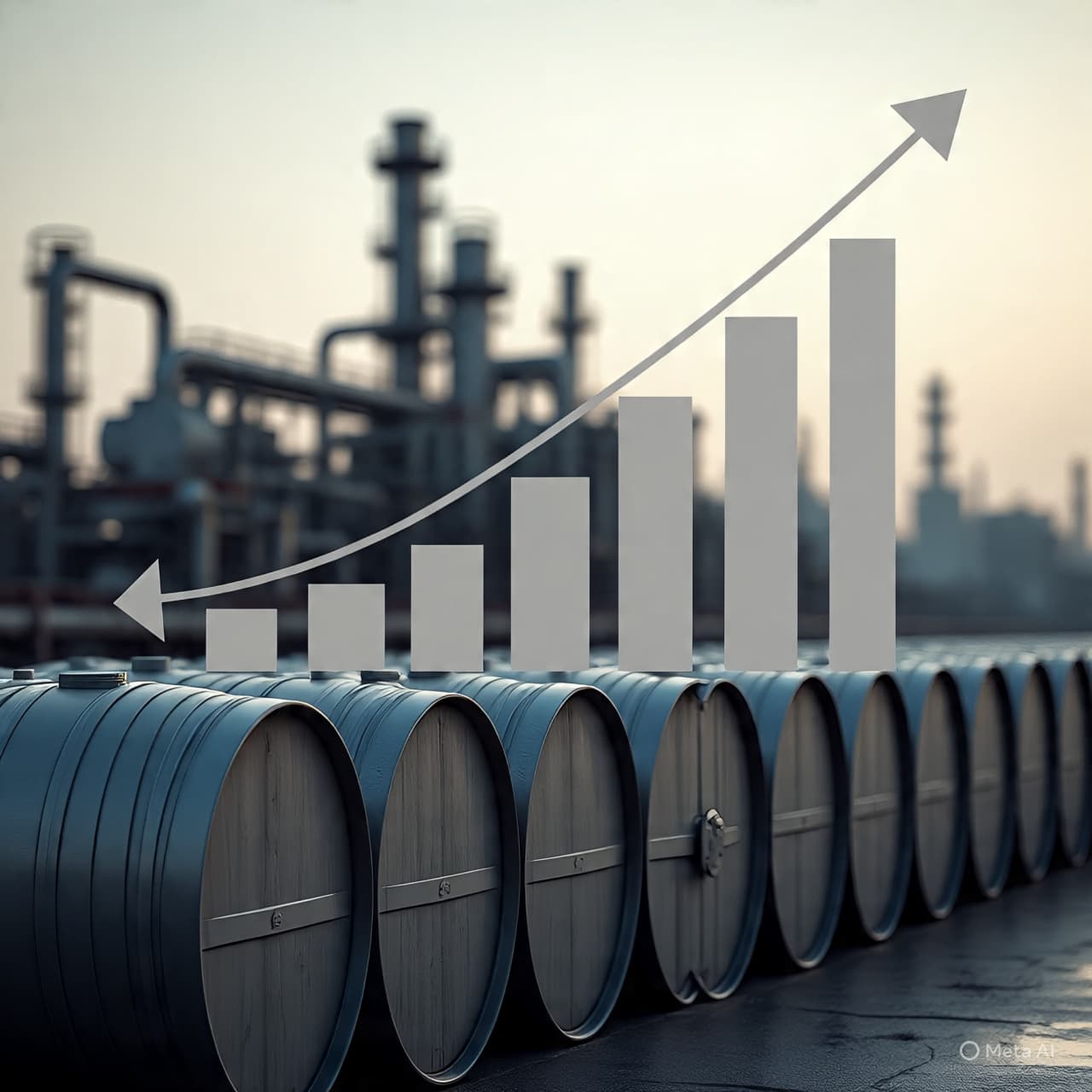
There are moments when the pulse of the global economy can be felt not in boardrooms or trading floors, but in distant horizons—where conflict stirs and uncertainty travels faster than oil through pipelines. The recent rise in oil prices, climbing by nearly three percent, feels less like a sudden spike and more like a ripple spreading outward from a deep and unsettled center.
As tensions involving Iran continue to unfold, the entry of Yemen’s Houthi forces into the broader conflict has added a new layer of complexity. Their involvement, shaped by longstanding alliances and regional dynamics, has widened the scope of uncertainty, stretching the geography of concern from the Persian Gulf to the Red Sea. In such a landscape, energy markets often respond not just to events, but to expectations—what might happen next, and how far the consequences could reach.
The Houthis’ actions, particularly around key maritime routes, have drawn attention to the vulnerability of global shipping lanes. These waterways, often taken for granted in times of stability, become critical points of focus during periods of tension. Any disruption, or even the perception of risk, can influence the flow of oil and, by extension, the price at which it is traded.
For traders and analysts, the recent surge reflects more than immediate supply concerns. It is also a response to the broader narrative of escalation. As military activity intensifies and more actors become involved, the possibility of prolonged instability grows. This, in turn, feeds into market sentiment, where caution often translates into higher prices.
At the same time, major oil-producing nations are closely watching developments. Some have signaled readiness to stabilize supply if necessary, while others remain cautious, mindful of the delicate balance between market stability and geopolitical realities. The interplay between these responses adds another layer to an already intricate picture.
Beyond the numbers, the rise in oil prices carries wider implications. For economies around the world, particularly those heavily dependent on energy imports, even a modest increase can have cascading effects—on inflation, on transportation costs, and on the daily lives of millions. It is a reminder that events in one part of the world can resonate far beyond their immediate context.
Meanwhile, diplomatic efforts continue alongside these developments. While the headlines may focus on escalation, there are ongoing attempts—sometimes visible, often not—to contain the situation and prevent further deterioration. These efforts, though uncertain in outcome, represent an essential counterbalance to the forces driving conflict.
For now, the markets remain attentive, responding to each new development with measured sensitivity. The recent rise in oil prices stands as an indicator—not only of current conditions but of the broader uncertainty that defines them.
In the days ahead, much will depend on how the situation evolves. The involvement of additional actors, the stability of key routes, and the progress of diplomatic initiatives will all play a role in shaping both the trajectory of the conflict and the direction of global energy markets. For the moment, the increase in oil prices reflects a world watching closely, aware that the story is still unfolding.
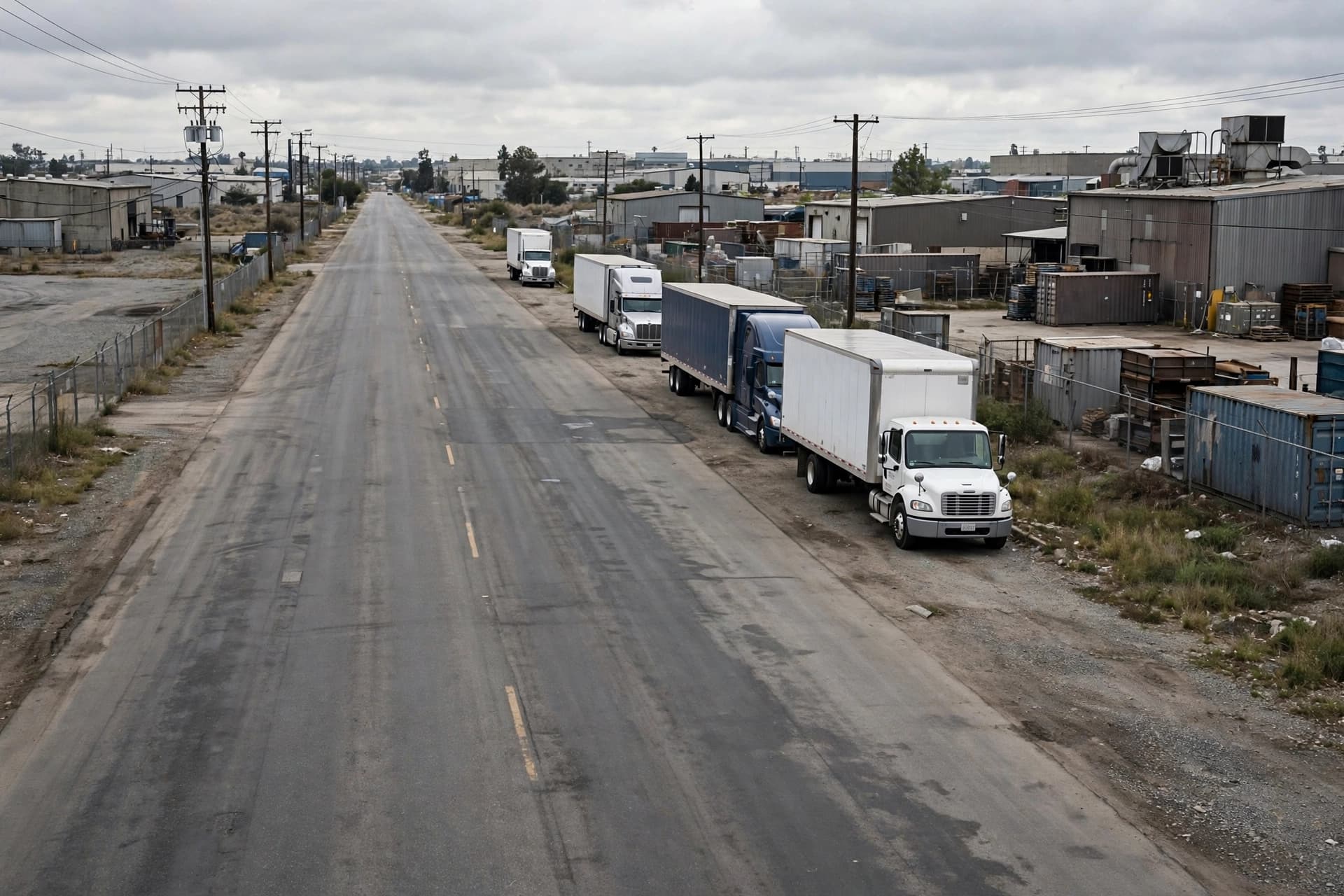
AI Image Disclaimer Graphics are AI-generated and intended for representation, not reality.
Source Check (Credible Media Identified): Reuters Bloomberg CNBC Financial Times Al Jazeera
Published by Banx Network. This article is part of the Banx decentralized media programme, powered by the BXE token on the XRP Ledger.