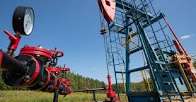
The global economy sometimes moves like a landscape under changing weather. Most days pass quietly, with markets rising and falling like gentle breezes across the horizon. But every so often, a stronger wind arrives from afar—unexpected, persistent, and capable of shifting the mood across continents. This week, that wind appears to be blowing from the energy markets. Oil prices climbed above the symbolic threshold of $100 per barrel, a level that carries both economic weight and historical memory. As energy prices surged, Wall Street responded with caution. The Dow Jones Industrial Average slid roughly 400 points during trading, reflecting the unease that often follows sudden jumps in the cost of energy. sg.finance.yahoo.com + 1 The rise in crude prices has been closely tied to escalating geopolitical tensions in the Middle East, where concerns over supply disruptions have quickly spread through global markets. Traders began factoring in the possibility that shipping routes or production could face interruptions, particularly around key transit corridors such as the Strait of hormuz, through which a large portion of the world’s oil normally travels. sg.finance.yahoo.com Such moments tend to ripple outward through the financial system. Oil is not simply another commodity; it sits quietly beneath many layers of the global economy. When energy becomes more expensive, transportation costs climb, manufacturing margins narrow, and households begin to feel the change at fuel pumps and grocery stores alike. Investors are especially attentive to what economists call “stagflation”—a rare and uncomfortable mix of slowing economic growth and rising inflation. While the term belongs mostly to economic textbooks and the memories of earlier decades, periods of rising energy prices often revive the conversation. Analysts note that higher fuel costs can make it harder for central banks to balance the delicate task of controlling inflation while supporting economic growth. Reuters Recent economic signals have only deepened that cautious mood. Data pointing to softness in the labor market and shifting expectations around interest-rate policy have added another layer of uncertainty to financial markets. When these concerns meet a sudden jump in energy prices, investors tend to step back and reassess the road ahead. The effects could already be seen across sectors. Travel and airline stocks slipped as fuel costs climbed, while financial firms also declined amid broader market caution. At the same time, energy companies experienced modest gains, reflecting the simple reality that higher oil prices can lift revenues for producers even as they pressure the wider economy. Reuters Yet markets, much like weather systems, rarely move in straight lines. Periods of turbulence often give way to calmer assessments once the underlying risks become clearer. Governments and energy producers are closely watching supply conditions, while global leaders have begun discussing possible steps to stabilize oil flows if tensions escalate further. For now, the Dow’s 400-point drop serves less as a dramatic turning point and more as a signal—one of many reminders that energy prices still hold quiet influence over the rhythm of global markets. The days ahead will likely determine whether this moment becomes a brief disturbance or the beginning of a longer conversation about inflation, growth, and the delicate balance between them.
Published by Banx Network. This article is part of the Banx decentralized media programme, powered by the BXE token on the XRP Ledger.