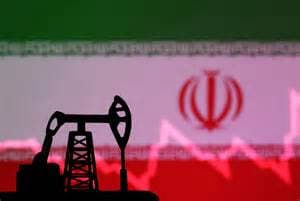
There are moments in the global economy when distant events seem to travel like echoes across the world. A headline from one region becomes a tremor in another, and markets—often calm and methodical—begin to shift as if responding to an approaching storm. This week, the echo came from the energy markets. Oil prices surged beyond $110 per barrel as tensions surrounding the conflict involving Iran deepened, sending a wave of caution through global financial markets. The sudden rise in energy costs quickly unsettled investors, and stock markets across Asia, Europe, and the United States moved lower in response. What began as a geopolitical conflict soon became an economic signal felt across trading floors worldwide. In Asia, the reaction was swift and visible. Japan’s Nikkei 225 index dropped more than 5 percent during trading, while South Korea’s Kospi index fell roughly 6 percent as investors reacted to rising energy costs and uncertainty over supply routes. Taiwan’s benchmark index also slid sharply, reflecting concerns among economies heavily dependent on imported fuel. WPSU Oil markets had already been tense, but the escalation of the conflict added new pressure. Energy traders grew increasingly worried about disruptions to the Strait of Hormuz, one of the world’s most important oil shipping routes. Roughly one-fifth of global oil supply typically passes through this narrow waterway, meaning even the possibility of disruption can quickly lift prices. The Guardian + 1 As the conflict intensified, crude prices surged toward levels not seen in more than a decade, briefly approaching $120 per barrel during trading. The rise represents a dramatic jump in a short period of time, and markets tend to react quickly when energy prices move so sharply. WPSU The relationship between oil and the broader economy has always been quietly powerful. Energy sits beneath almost every industry—from transportation and manufacturing to agriculture and logistics. When oil becomes more expensive, companies begin recalculating costs, and investors begin reassessing economic forecasts. That subtle chain reaction is what global markets appeared to reflect this week. Stock futures in the United States also pointed downward as investors absorbed the implications of rising fuel costs. When oil prices surge suddenly, analysts often begin discussing inflation risks and the possibility that economic growth could slow if businesses and consumers face higher energy expenses. Airlines and transportation companies, which rely heavily on fuel, were among the sectors facing the most immediate pressure. Rising jet fuel prices have already forced some airlines to adjust routes and costs, while broader travel demand may become more sensitive if prices remain elevated. Reuters Yet financial markets rarely react to a single factor alone. Alongside the oil surge, investors are also watching geopolitical developments, shipping conditions in the Persian Gulf, and the possibility of coordinated responses from major economies. History offers a reminder that energy shocks can reshape economic conversations quickly. Past oil spikes have triggered inflation concerns, shifts in monetary policy, and renewed debates about energy security. For now, the recent market turbulence appears to reflect caution rather than panic. Global shares declined as oil prices climbed above $110 per barrel amid the intensifying conflict involving Iran and concerns about energy supply disruptions. Investors and policymakers are continuing to monitor developments in the region, particularly around critical shipping routes and oil production facilities, as markets assess the potential economic impact in the weeks ahead.
Published by Banx Network. This article is part of the Banx decentralized media programme, powered by the BXE token on the XRP Ledger.