
Key Highlights
- Iran is considering allowing oil tankers through the Strait of Hormuz under new currency conditions.
- The proposal comes amid rising regional tensions and reduced shipping traffic.
- If implemented, this could signify a shift from the traditional petrodollar system to the yuan.
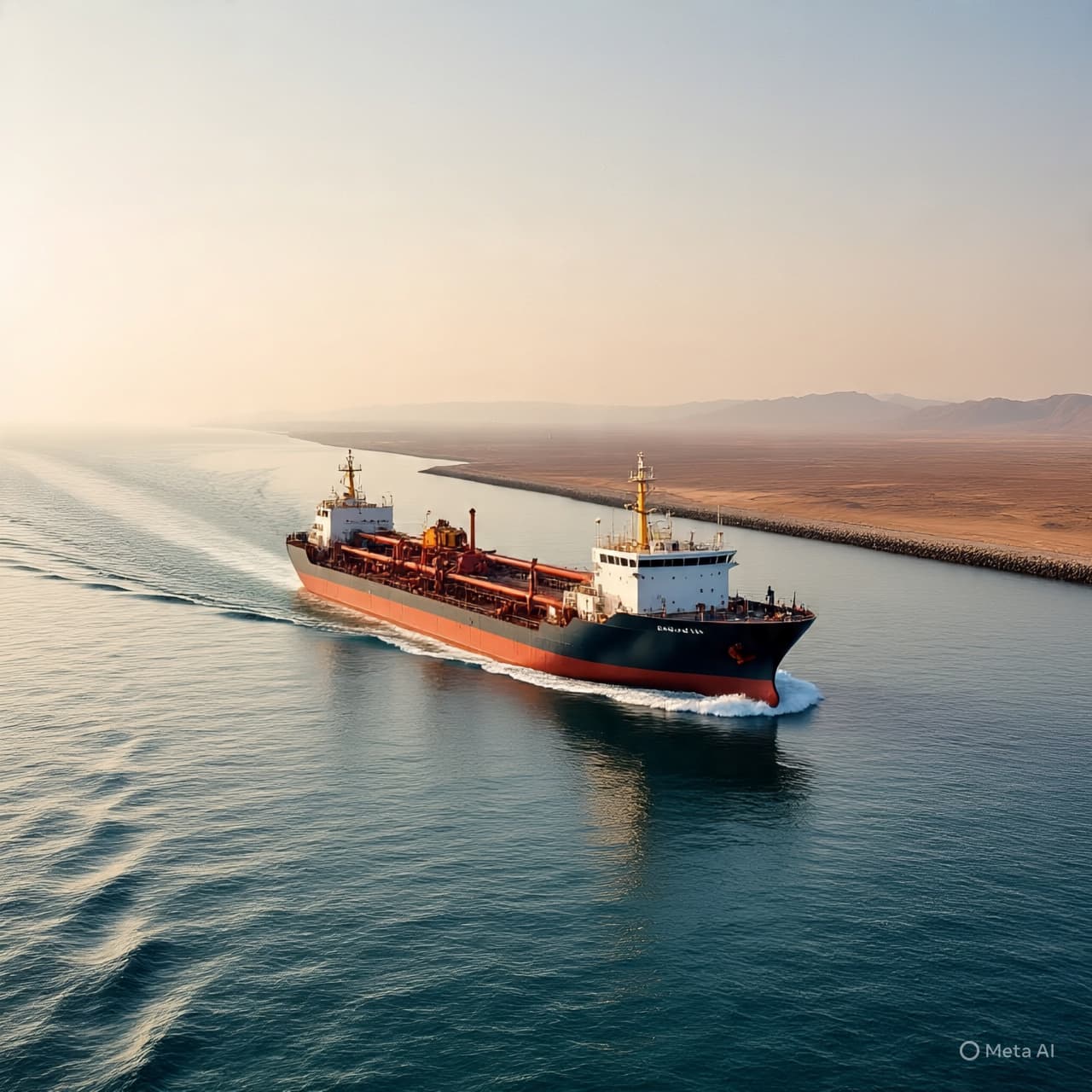
The Strait of Hormuz, a vital maritime corridor for global oil supplies, is at the center of a potential shift in how oil transactions are conducted. Reports indicate that Iran is contemplating a conditional reopening of this strategic waterway, allowing oil tankers to pass through if payments are made in Chinese yuan instead of the U.S. dollar. This proposal emerges against a backdrop of heightened geopolitical tensions and disruptions in shipping, which have significantly impacted commercial traffic in the region.
Approximately 20% of the world's oil supply traverses the Strait of Hormuz daily, making it one of the most critical chokepoints in global energy logistics. Recent military escalations and security concerns have led to a decline in tanker movements, with some vessels opting for alternative routes while others await clearer safety assurances. Amid this uncertainty, Iran's reported proposal could represent a cautious step towards reopening the strait, albeit under new financial terms.
The implications of such a shift are profound. The global oil market has historically been dominated by the U.S. dollar, a system often referred to as the petrodollar. If Iran's proposal leads to a significant increase in oil transactions settled in yuan, it could reflect broader geopolitical currents and a potential reconfiguration of global financial systems. Analysts, however, advise caution, noting that this idea remains speculative and would require complex logistics to enforce across international shipping lanes.
Additionally, Iranian officials have indicated that vessels from nations perceived as adversarial, particularly those associated with the United States or Israel, may face restrictions or heightened risks in the strait. This suggests that currency could serve not only as an economic tool but also as a means of diplomatic signaling, where trade terms might convey messages as powerful as military posturing.
For China, which is already a major importer of oil from the Middle East, this arrangement could further its ambitions to enhance the yuan's role in global energy markets. However, the practicality of such a transition raises several questions. Would shipping companies be willing to adapt to new settlement rules? How quickly could energy markets adjust to this change? And what would be the response from other major powers?
As the situation in the Strait of Hormuz continues to evolve, the intersection of politics, commerce, and security remains a focal point of global attention. The potential for the yuan to become a key currency for oil transactions in this vital corridor underscores the dynamic nature of international relations and economic systems.
In conclusion, while the waters of Hormuz remain a complex interplay of various forces, the discussion surrounding Iran's proposal highlights the evolving landscape of global trade and the potential for significant shifts in how energy transactions are conducted. The ships will continue to navigate these waters, but the language of their cargo may indeed be changing.
Published by Banx Network. This article is part of the Banx decentralized media programme, powered by the BXE token on the XRP Ledger.



