
Key Highlights
- U.S. threatens Iran over Kharg Island, a key oil export hub.
- Oil prices surge amid escalating tensions and potential conflict.
- Negotiations continue, but both sides remain firm in their positions.
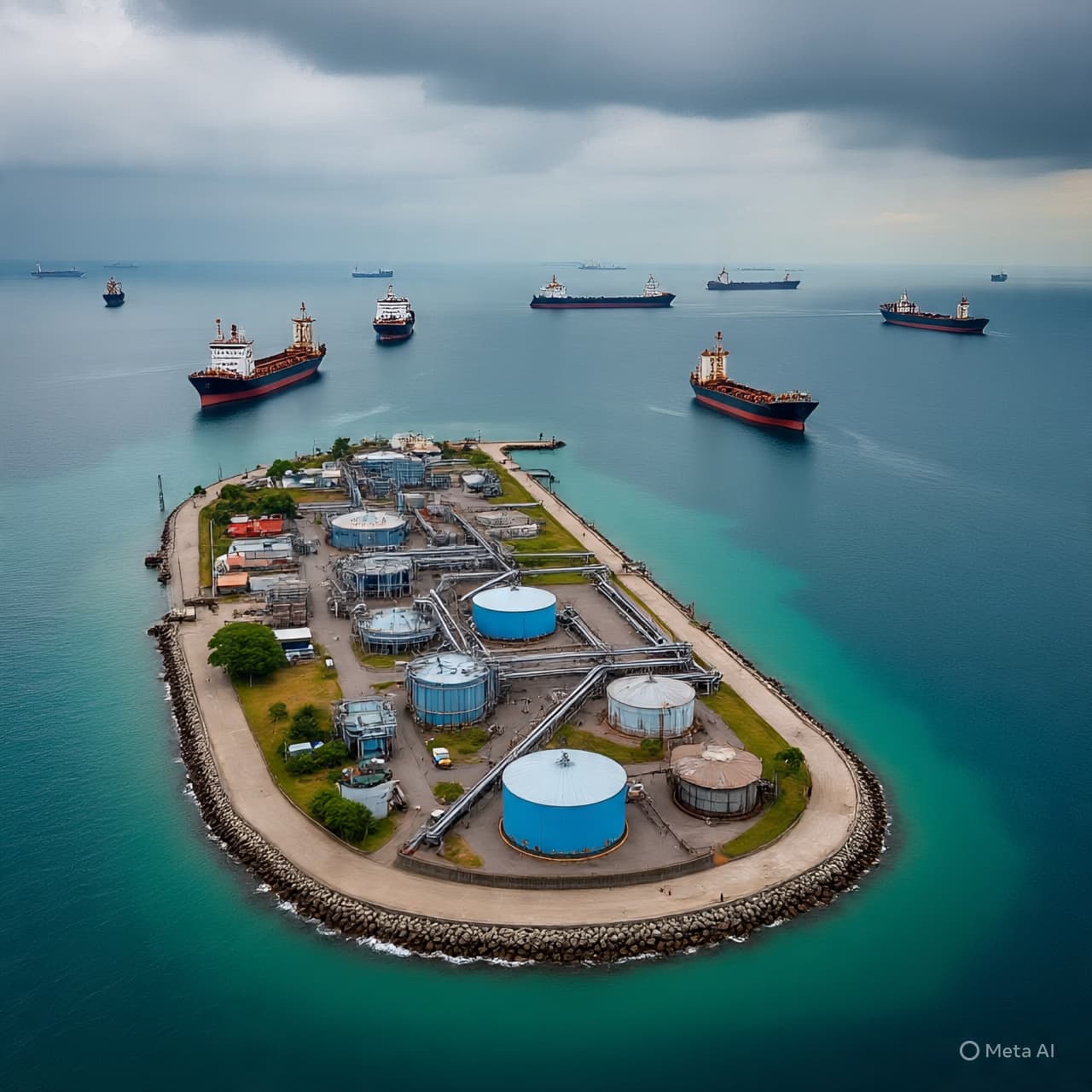
In the geography of conflict, certain locations transcend their physical attributes to become pivotal points of global consequence. Kharg Island, a small yet strategically significant piece of land, is one such location, serving as a critical hub for Iran's oil exports and a vital artery in the global energy system. Recent developments have thrust its name into the spotlight, not merely as a geographical reference but as a harbinger of potential conflict.
At the heart of this escalating situation is former President Donald Trump, whose recent statements have drawn a stark line between negotiation and military escalation. Trump has warned that unless Iran agrees to terms that could alleviate tensions and reopen essential shipping routes, the United States may target key infrastructure, including Kharg Island itself. This rhetoric, while not entirely new, has taken on a more intense tone, suggesting a shift from mere pressure tactics to the possibility of direct action.
The implications of threatening Kharg Island extend far beyond its geographical boundaries. As the primary conduit for Iran's oil exports, any disruption to its operations could reverberate throughout the global energy market. The mere suggestion of targeting such a critical asset has already led to a surge in oil prices, reflecting not only current disruptions but also the market's anticipation of deeper instability. This volatility underscores the fragility of the balance between diplomacy and conflict, where a single statement can send shockwaves through economies worldwide.
Despite the escalating threats, there remains a glimmer of hope for negotiation. Trump has indicated that discussions are ongoing and may still yield an agreement. This duality—where the specter of destruction looms alongside the possibility of dialogue—creates a precarious situation. It is a moment suspended between war and peace, where the stakes are incredibly high, and the outcomes uncertain.
Iran, for its part, has firmly rejected claims of meaningful progress in negotiations and has signaled its resistance to pressure framed through military threats. The exchange between the two nations has evolved into a complex game of positioning, with each side attempting to shape the narrative of what comes next. In this context, Kharg Island transcends its role as mere infrastructure; it becomes a powerful metaphor for leverage in international relations, where economic lifelines and geopolitical ambitions intersect.
As the situation remains unresolved, the world watches closely. The delicate pause between words and actions may determine the future trajectory of U.S.-Iran relations. What unfolds next will depend not only on the decisions made in Washington and Tehran but also on how far each side is willing to let rhetoric escalate before it transforms into reality. In that uncertain space—between threat and action—lies the potential for both conflict and resolution.
Published by Banx Network. This article is part of the Banx decentralized media programme, powered by the BXE token on the XRP Ledger.



