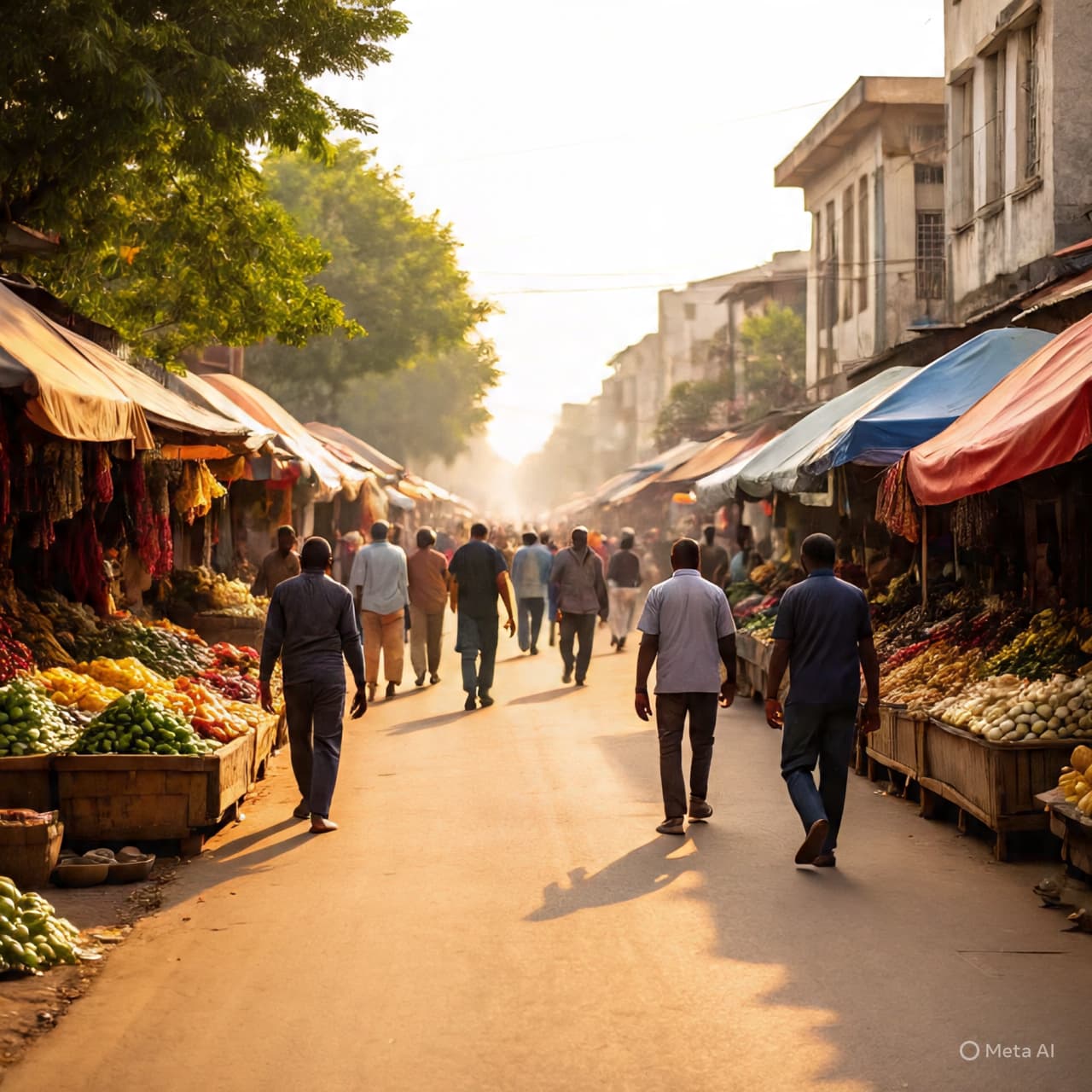
The afternoon sun drapes itself over Yaoundé, casting long, languid shadows across streets that hum with life and chatter. Vendors call out to passersby, children weave between stalls, and the rhythm of a city alive with routine continues undisturbed by the distant currents of global politics. Yet, within this ordinary movement, the weight of observation presses quietly but inexorably on those who choose to record what others may wish left unseen.
In recent days, a number of journalists covering sensitive stories have found themselves detained while reporting on a secretive deportation program linked to the United States. The arrests have rippled through newsrooms and communities alike, a stark reminder that the act of bearing witness carries not only responsibility but risk. For these journalists, pens, cameras, and notebooks are more than tools—they are instruments of motion and memory, tracing events that might otherwise slip into obscurity.
Authorities in Cameroon have stated procedural reasons for the detentions, noting the sensitivities surrounding immigration enforcement and cross-border cooperation. Meanwhile, news organizations and press freedom advocates emphasize the importance of transparency, the right to document, and the protection of those whose work illuminates the shadows. In the balance between state control and the public’s right to know, the tension unfolds quietly, but with implications that stretch far beyond the streets of Yaoundé.
Observers note that these events come amid a broader pattern of concern for journalists operating in regions where reporting intersects with international policies. The unfolding situation is layered: local laws, global politics, and the ethical imperatives of the press converge in moments of uncertainty, where every step forward is measured against potential consequence. For those watching from afar, the news reads like motion caught midair—urgent yet tempered by context, demanding reflection as much as reaction.
As the sun sets over the city, its warm light brushing rooftops and treetops alike, the streets return to their evening rhythm. The detained journalists remain part of this landscape, their absence felt, their work carried in fragments through the stories that emerge from those who continue to observe. In this pause, the quiet persistence of truth finds its form, reminding all that the act of witnessing is both fragile and enduring, a thread through which understanding, however momentarily, can travel.
AI Image Disclaimer
Visuals are AI-generated and serve as conceptual representations.
Sources (Media Names Only)
Reuters BBC Associated Press Al Jazeera Committee to Protect Journalists
نُشر بواسطة Banx Network. هذا المقال جزء من برنامج الوسائط اللامركزية من Banx، مدعومًا برمز BXE على شبكة XRP Ledger.