
Key Highlights
- Journalists in Cameroon have been detained while covering a secretive deportation program linked to the U.S.
- Authorities cite procedural reasons for the detentions amid concerns for press freedom.
- The situation reflects broader issues of media rights and the risks faced by reporters in sensitive political climates.
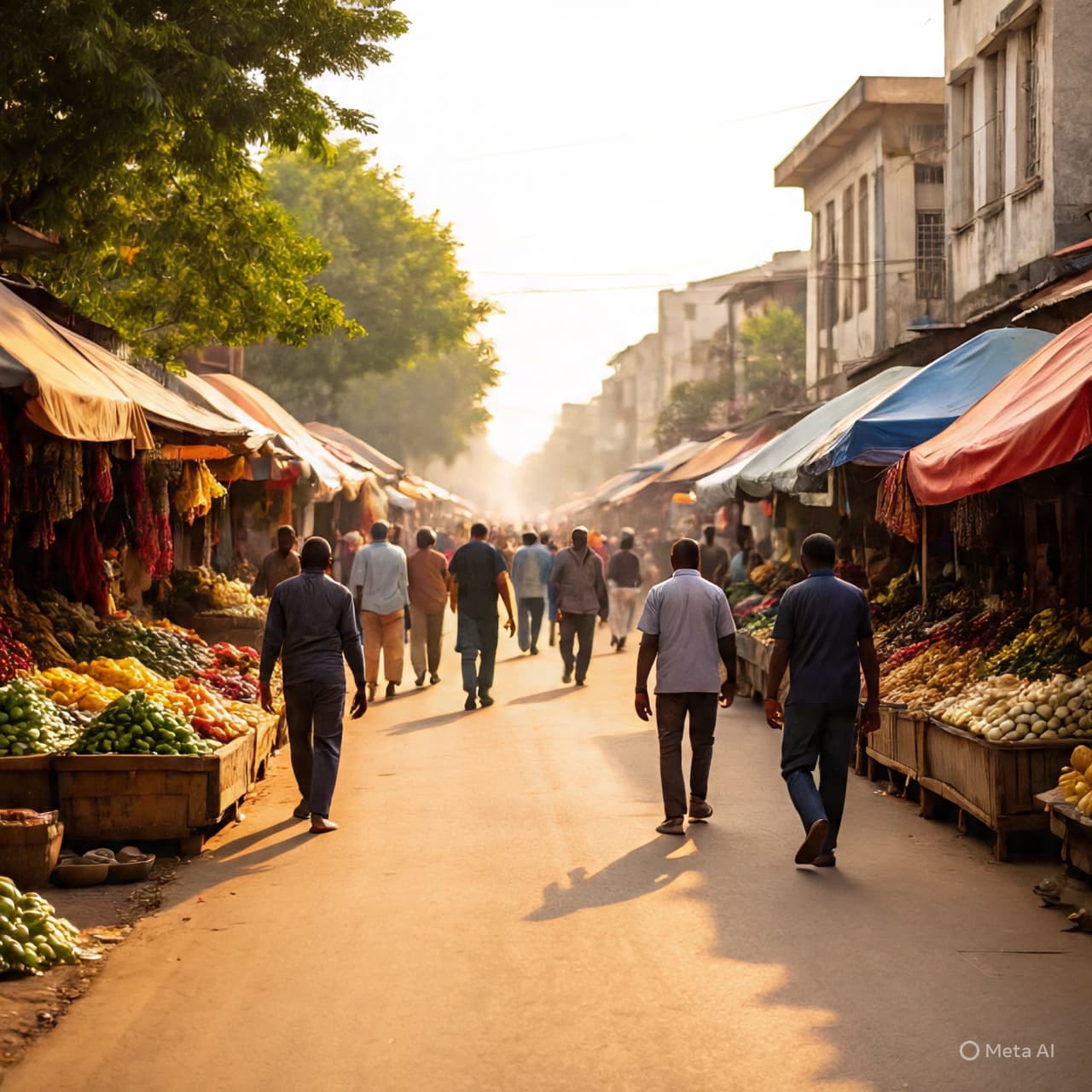
In the bustling city of Yaoundé, the afternoon sun casts long shadows over streets alive with the sounds of vendors and children. Yet, beneath this vibrant surface lies a troubling reality for journalists who dare to report on sensitive issues. Recently, several reporters covering a clandestine deportation program associated with the United States have found themselves detained, sparking outrage and concern within the media community and beyond.
The detentions have sent shockwaves through newsrooms, serving as a stark reminder of the risks that accompany the act of bearing witness. For these journalists, their tools—pens, cameras, and notebooks—are not merely instruments of documentation; they are lifelines to truth in a world where certain narratives are often suppressed. The arrests underscore the precarious balance between the right to report and the pressures exerted by state authorities.
Cameroonian officials have defended the detentions, citing procedural reasons tied to immigration enforcement and the complexities of cross-border cooperation. However, press freedom advocates argue that such actions stifle transparency and hinder the public's right to be informed. The tension between governmental control and journalistic independence is palpable, with implications that extend far beyond the borders of Cameroon.
This situation is not isolated; it reflects a growing trend where journalists face increasing risks in regions where their work intersects with international policies. The convergence of local laws, global politics, and ethical journalism creates a complex landscape where every report carries the weight of potential consequences. Observers note that the urgency of these events is tempered by the need for context, urging a deeper reflection on the implications of such detentions.
As the sun sets over Yaoundé, the city transitions into its evening rhythm, yet the absence of the detained journalists lingers in the air. Their stories, fragmented yet powerful, continue to resonate through the voices of those who remain. In this moment of pause, the enduring nature of truth emerges, reminding us that the act of witnessing is both a fragile and resilient endeavor, a vital thread connecting us to understanding in turbulent times.
Published by Banx Network. This article is part of the Banx decentralized media programme, powered by the BXE token on the XRP Ledger.



