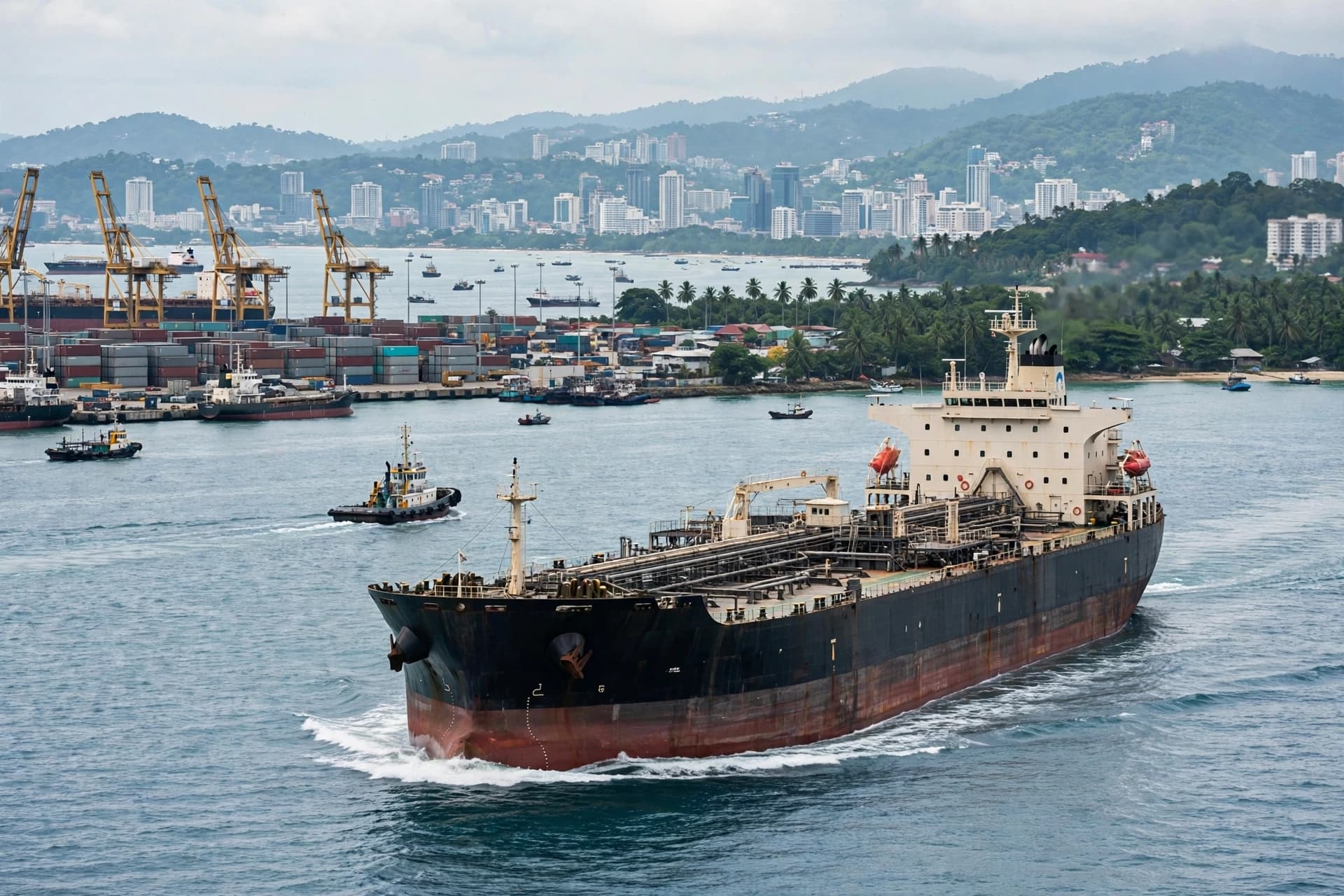
There are times when numbers begin to feel less like figures and more like signals—quiet indicators of something larger shifting beneath the surface. The recent projections surrounding oil prices, with some analysts contemplating the possibility of $200 per barrel, carry that kind of weight. They do not arrive abruptly, but rather gather slowly, shaped by tension, uncertainty, and the delicate balance of global supply.
In the current climate, energy markets are responding not only to present conditions but to the anticipation of what may come. The ongoing conflict involving Iran, combined with broader instability across key production and transit regions, has introduced a level of unpredictability that markets tend to reflect quickly. Prices, in this sense, become a language of their own—expressing concern, caution, and expectation all at once.
Analysts suggesting a potential rise to $200 oil are not necessarily predicting certainty, but outlining a scenario shaped by escalation. Disruptions to supply routes, particularly in strategically significant waterways, remain a central concern. Even partial interruptions can tighten global supply chains, creating upward pressure on prices that ripple outward into everyday costs.
At the consumer level, these shifts are already beginning to take form. In parts of the United States, projections indicate that gasoline prices could surpass $6 per gallon if current trends persist. Such a development would mark a notable increase, one that extends beyond economic data into daily routines—commutes, transportation costs, and the broader rhythm of consumption.
Yet, the trajectory of prices is influenced by more than conflict alone. Decisions by major oil-producing nations, including adjustments in output, continue to play a critical role. Strategic reserves, policy responses, and market interventions all form part of the broader equation, shaping how far and how fast prices may rise.
There is also a psychological dimension at play. Markets often respond as much to perception as to reality. The possibility of escalation, even before it fully materializes, can influence trading behavior. In this way, the idea of $200 oil becomes both a forecast and a factor—something that shapes decisions as it is being discussed.
For global economies, the implications are significant. Higher energy costs can contribute to inflationary pressures, affect industrial production, and influence monetary policy decisions. For individuals, the effects are more immediate, felt in everyday expenses and purchasing power.
At the same time, there remains a degree of uncertainty that tempers these projections. Diplomatic efforts, shifts in supply, or changes in the trajectory of conflict could alter the outlook. Markets, while responsive, are also adaptive, adjusting as new information emerges.
For now, analysts continue to monitor developments closely, weighing scenarios against unfolding events. The notion of $200 oil and $6 gasoline exists within this space of possibility—not yet realized, but increasingly part of the conversation.
In the immediate term, fuel prices are rising in response to current market pressures, while policymakers and industry leaders assess potential responses. The situation remains fluid, with outcomes dependent on both geopolitical developments and economic decisions in the weeks ahead.
AI Image Disclaimer Visuals are created with AI tools and are not real photographs.
Source Check (Credible Media Identified): Reuters Bloomberg CNBC Financial Times The Wall Street Journal
Published by Banx Network. This article is part of the Banx decentralized media programme, powered by the BXE token on the XRP Ledger.