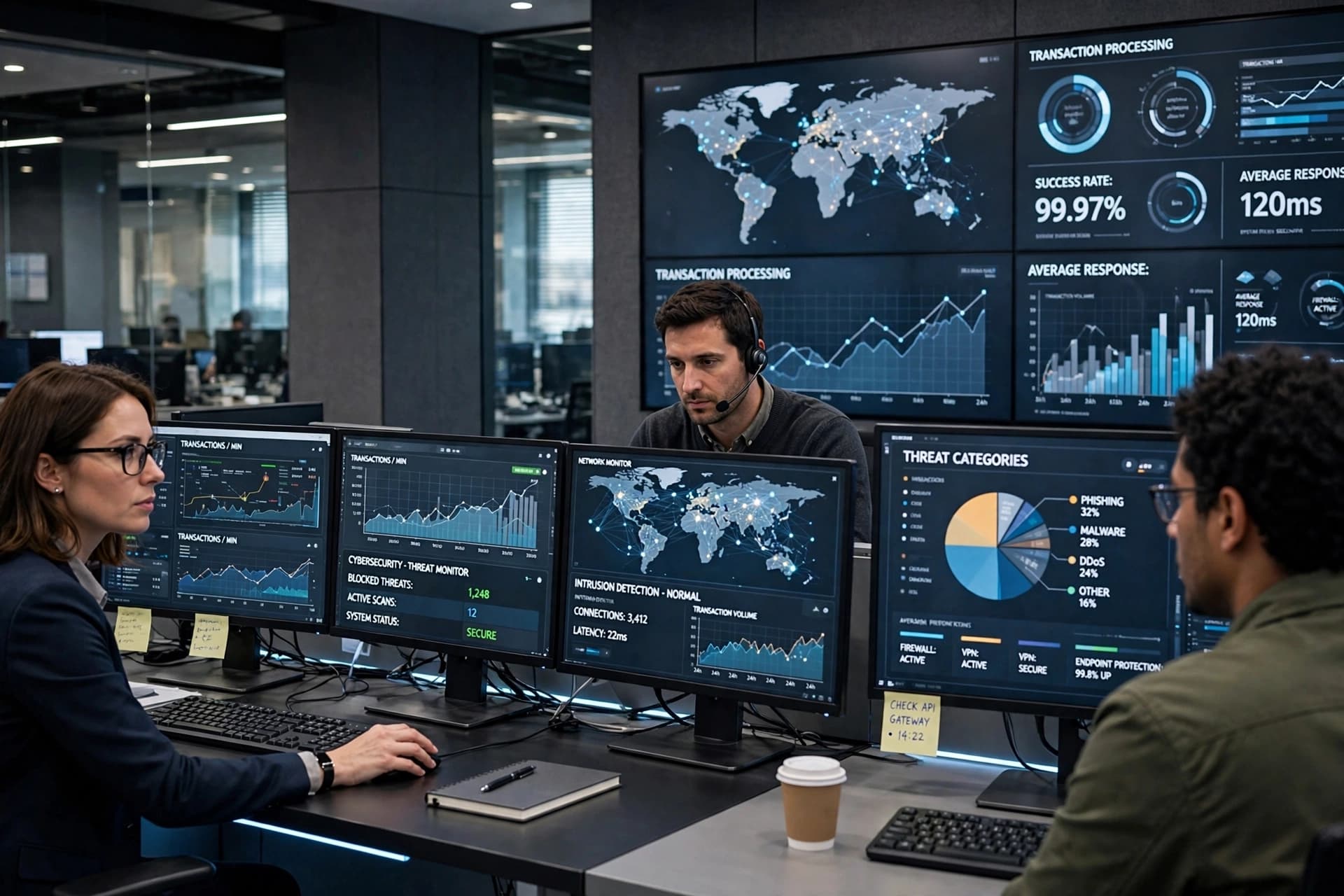
There is something quietly mesmerizing about a digital stock exchange board. Numbers flicker in green and red, oil prices climb in bold increments, indices sway back and forth like reeds in a restless breeze. To the casual observer, it may appear as little more than shifting data. Yet to those who watch closely, it resembles a living canvas — a reflection of global confidence, caution, and expectation unfolding in real time. On days when oil prices rise sharply, the glow of the screen feels almost warmer. Energy futures stretch upward, while major indices hesitate, recalibrate, and move again. It is not chaos, but choreography. Each percentage change carries the weight of supply chains, geopolitical whispers, transportation costs, and consumer behavior. The digital board becomes less a machine and more a mirror, capturing the collective mood of markets across continents. Oil, in many ways, is the bloodstream of modern economies. When its price ascends, it sends subtle signals through manufacturing floors, airline routes, and suburban gas stations. Investors understand this instinctively. A rise in crude can lift energy shares while gently pressing upon sectors sensitive to higher input costs. Technology firms may pause. Airlines may dip. Meanwhile, oil producers often find renewed favor. The board records it all without commentary — impartial, luminous, precise. Indices, too, tell layered stories. A broad-market average may drift downward even as certain sectors strengthen, reflecting the delicate balancing act within portfolios. Traders respond not only to present conditions but to what they imagine tomorrow might bring. Expectations of inflation, interest rate shifts, currency movements — all are quietly encoded in those flashing digits. Yet there is restraint in the system. Markets rarely move in a single emotional direction for long. A surge in oil may stabilize as new supply assurances emerge. An index decline may soften when bargain hunters step in. The digital board captures these transitions faithfully, documenting hesitation as clearly as momentum. It reminds us that markets are rarely absolute; they are fluid, adaptive, and often surprisingly resilient. Beyond the institutional desks and algorithmic models, the numbers carry personal implications. Rising oil prices may eventually translate into higher transportation or goods costs. Fluctuating indices can influence retirement accounts and investment strategies. The glowing board in a financial district is connected, however subtly, to daily life far beyond trading floors. As trading sessions continue, the board will keep flickering — sometimes sharply, sometimes calmly. Oil prices may climb further or retreat. Indices may find steadier ground or test new levels. For now, the movements reflect a market absorbing information and adjusting accordingly. The story remains ongoing, written line by line in light. AI Image Disclaimer Graphics are AI-generated and intended for representation, not reality.
Published by Banx Network. This article is part of the Banx decentralized media programme, powered by the BXE token on the XRP Ledger.

.jpg&w=3840&q=75 "India Says First Phase of U.S. Trade Deal Is Nearly Done, Seeks Edge Over Rivals")