November in Central Florida usually arrives as a gentle exhale—a month when the summer's humid grip finally loosens and the skies settle into a drier, kinder rhythm. This year, the month began with a roar instead, as a stubborn low-pressure system parked itself over the state and emptied itself in ways that felt less like weather and more like a reckoning.
By Monday morning, rainfall totals in parts of Brevard County had climbed past 18 inches, with some locations reporting nearly 20 inches since midnight alone . The broader region watched the numbers rise with a quiet disbelief: Palm Bay at 18.50 inches, West Lynbrook at 18.25, Grant-Valkaria just shy of 18 . These are not the kind of figures the Sunshine State associates with autumn.
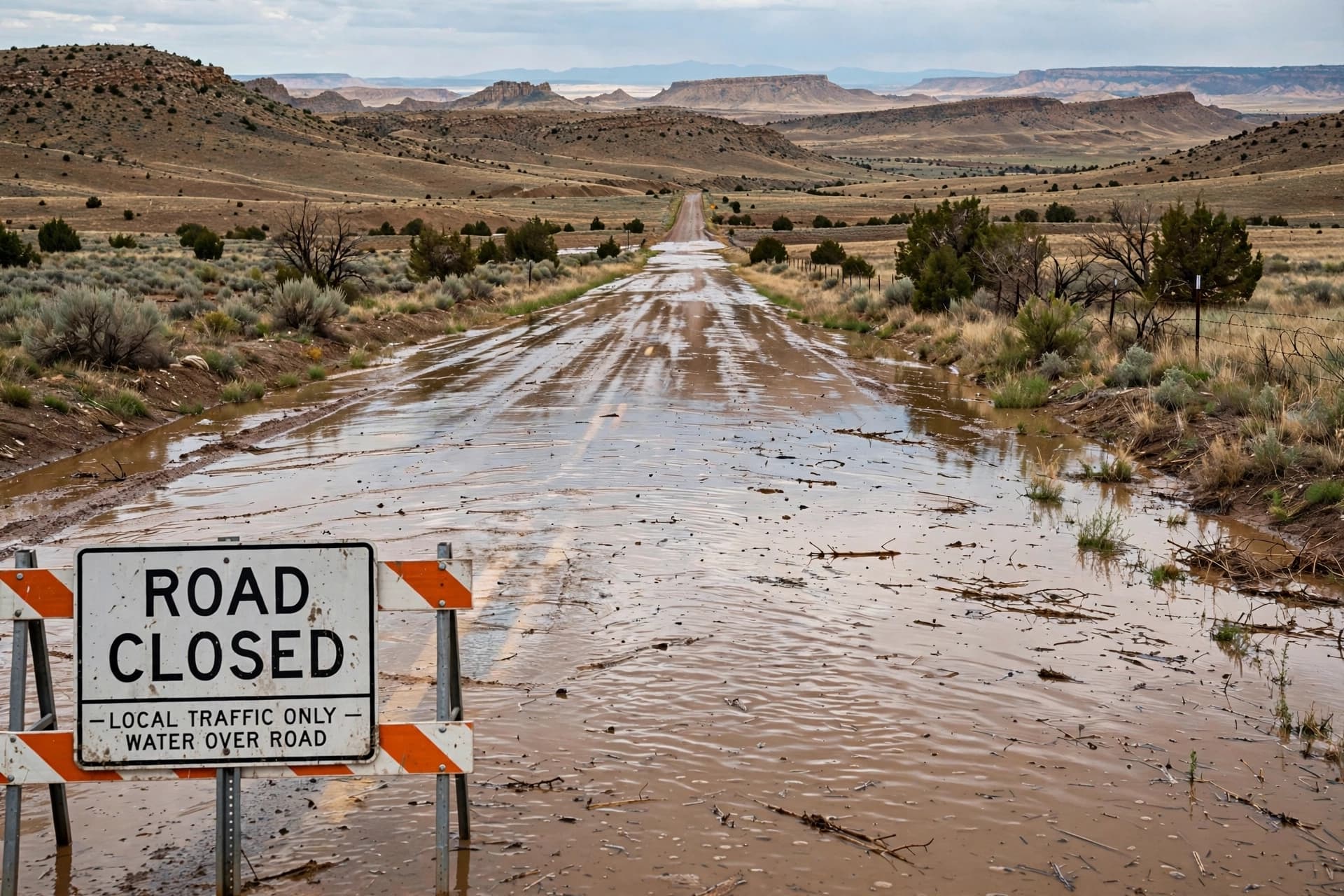
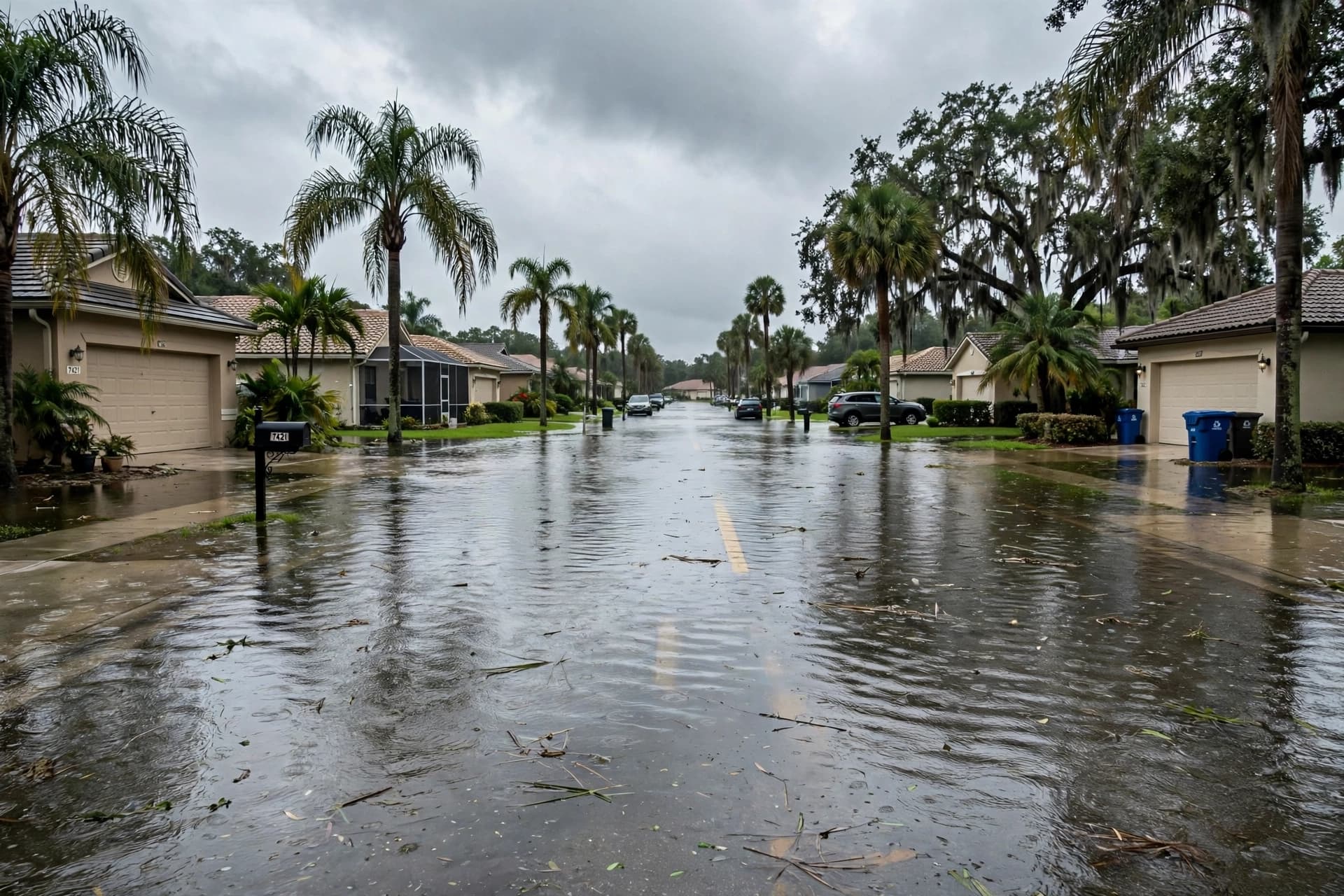
The heaviest blows landed along the Atlantic coast, where Cocoa and Melbourne saw more than a foot of rain. Water-logged engines stalled on flooded U.S. Highway 192, and the National Weather Service sent emergency alerts warning Brevard residents of flash flooding and "life threatening conditions" . Brevard County Public Schools canceled classes on Monday, a decision that spoke plainly about the state of the roads . Farther inland, Seminole County measured 7.5 inches by early Monday, with ditches in the Black Hammock area reaching capacity and stretches of County Road 426 disappearing under water .
The timing has not been kind. November is normally one of Central Florida's driest months, averaging roughly two inches across its thirty days. In Orange County alone, more than five inches fell in many spots—well beyond what the entire month might typically offer . The National Weather Service in Melbourne has kept a flood watch in place for portions of east central Florida, warning that additional rainfall of one to two inches could "exacerbate ongoing, lingering flooding" .
For the families whose homes now sit behind water, the numbers are not abstractions. They are the measure of a season turned strange, of a month that forgot its usual manners. The rain is expected to linger into Tuesday, making for a wet Election Day, before skies begin to clear midweek . Drier air, forecasters say, is on the way. But the water will take its time leaving, and the questions it leaves behind—about drainage, about readiness, about what a changing climate means for a state built on the promise of sunshine—will linger longer still.
Image Disclaimer: The photographs accompanying this report were generated using artificial intelligence and do not depict actual locations or events.
Sources: WESH, Orlando Sentinel, The Florida Times-Union, Miami Herald
Published by Banx Network. This article is part of the Banx decentralized media programme, powered by the BXE token on the XRP Ledger.