Nightfall usually brings a promise of rest, a quiet interlude in the rhythm of daily life. But for millions in Ukraine, the darkness has become a time of heightened vigilance, where the hum of drones and the roar of missiles replace the silence. In a recent overnight offensive, Russian forces launched what they described as "massive" strikes against nine Ukrainian cities, a reminder that the conflict’s reach extends far beyond the front lines, touching the heart of civilian existence.
The attacks targeted a wide geographic area, from major metropolitan hubs to smaller regional centers. Ukrainian authorities reported that air defense systems were active throughout the night, intercepting many of the incoming threats. However, the sheer volume of projectiles meant that some inevitably got through, causing damage to infrastructure and residential buildings. The term "massive," used by Russian officials, underscores the scale of the assault, reflecting an intent to overwhelm defensive capabilities and disrupt societal stability.
For the residents of these nine cities, the experience was one of sudden disruption. Sirens wailed, sending people into shelters or hallways, places that have become familiar sanctuaries in this prolonged war. The psychological toll of such repeated incidents is profound, creating a state of chronic anxiety that wears on the collective spirit. Yet, there is also a resilience, a determination to continue living despite the uncertainty that hangs in the air.
The strategic logic behind targeting multiple cities simultaneously is complex. It aims to stretch air defense resources thin, forcing difficult choices about which assets to protect. By striking energy infrastructure, transport networks, and residential areas, the attacks seek to degrade the country’s operational capacity and morale. This multi-vector approach highlights the evolving nature of modern warfare, where the distinction between military and civilian targets often blurs.
International observers have condemned the strikes, noting the humanitarian impact on non-combatants. Organizations monitoring the conflict emphasize the importance of protecting civilian infrastructure, which is vital for survival during winter months. The destruction of heating and power systems not only causes immediate hardship but also poses long-term health risks to vulnerable populations, including the elderly and children.
Ukrainian officials have vowed to strengthen air defenses, seeking additional support from international partners. The need for advanced interception systems has never been more urgent, as the frequency and intensity of attacks show no sign of abating. Each intercepted missile is a victory for defense, but the cost of maintaining this shield is high, both financially and in terms of human endurance.
As dawn breaks over the affected cities, cleanup crews begin their work, clearing debris and assessing damage. Life slowly returns to the streets, though the scars of the night remain visible. The routine of repair and recovery has become a defining feature of Ukrainian society, a testament to the enduring will to rebuild amidst destruction.
Local authorities continue to assess the full extent of the damage and casualties. Emergency services remain on high alert, while diplomatic efforts continue to address the broader implications of the escalating aerial campaign.
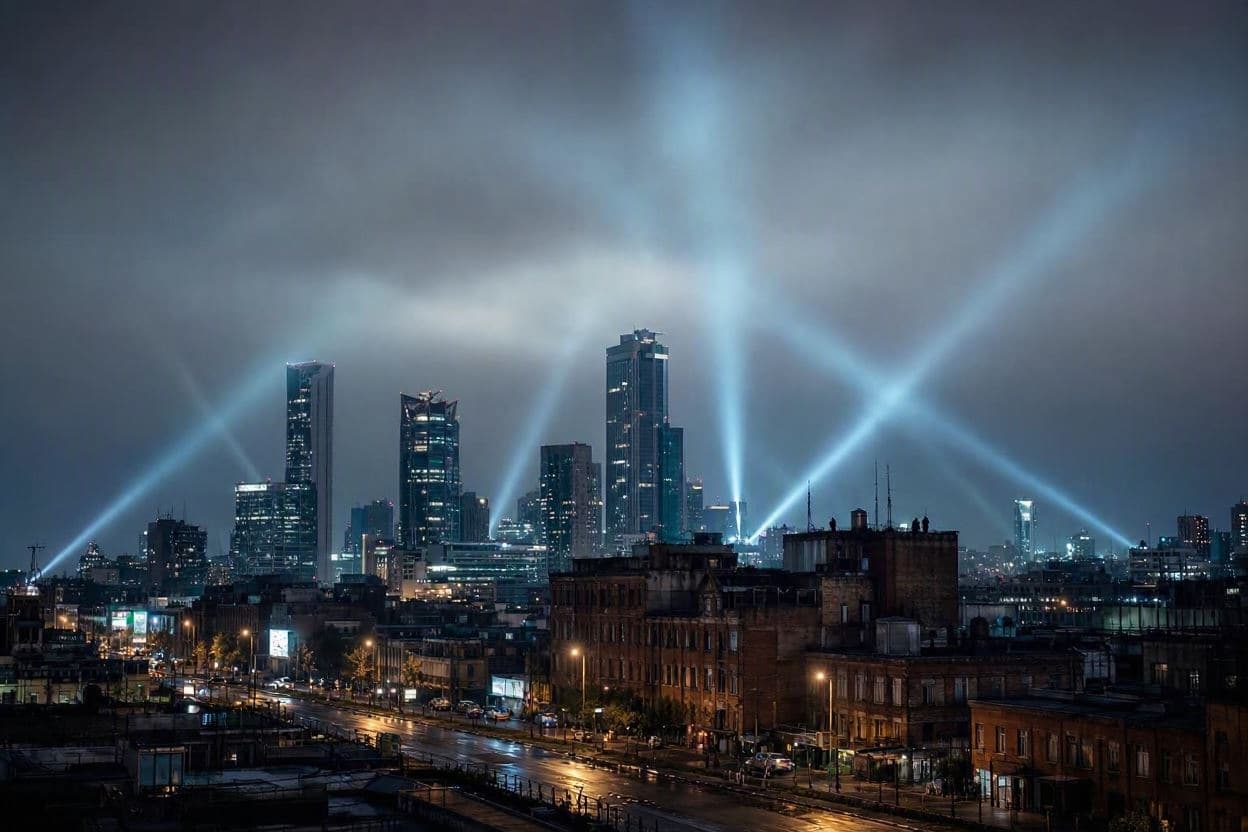
AI Image Disclaimer: Please note that the visual accompaniments for this article are AI-generated illustrations created to reflect the thematic elements of urban resilience and nighttime security, without depicting graphic violence.
Sources: BBC News Reuters The Kyiv Independent Associated Press Al Jazeera
Published by Banx Network. This article is part of the Banx decentralized media programme, powered by the BXE token on the XRP Ledger.