Like a river that slowly widens until its banks can no longer hold, the relationship between Pakistan and Afghanistan has reached a moment of overflowing strain. What began as intermittent tension along shared ridges and dusty checkpoints has surged into a declaration that, for many observers, seemed unthinkable only months ago.
On February 27, 2026, Pakistan’s defence minister, Khawaja Mohammad Asif, spoke in a tone that set aside cautious diplomacy for unmistakable clarity: Islamabad’s “patience has now run out,” and Pakistan is in an “open war” with neighbouring Afghanistan.” His words, posted on the social platform X, conjured a metaphor of a cup so full it spills — not with wine, but with unresolved grievances and decades of complex history.
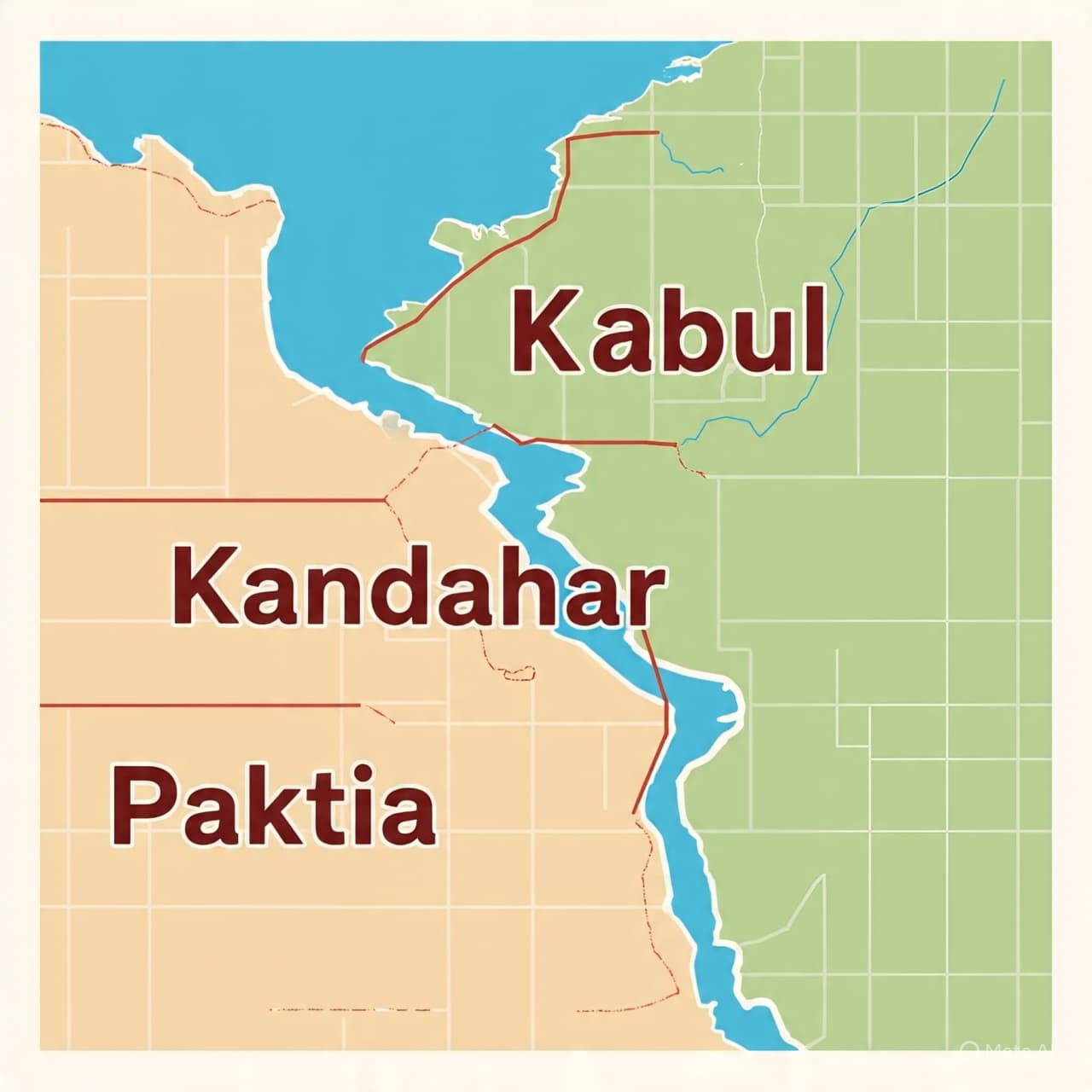
The immediate flames of this conflict were fanned by a night of reciprocal strikes. Afghanistan—under Taliban rule—said its forces launched a cross-border attack targeting Pakistani positions, which it described as retaliation for earlier Pakistani operations. In turn, Pakistan said it conducted air and ground strikes against what it called military targets inside Afghanistan including in Kabul, Kandahar, and Paktia provinces.
Such exchanges are not isolated events, but rather climaxes of an intricate fray. Islamabad has for years accused Kabul of harbouring militant groups that strike into Pakistani territory, including the Tehrik-e-Taliban Pakistan (TTP) and other armed outfits. Afghan authorities have firmly denied these allegations while decrying the strikes as violations of sovereignty.
Neither side’s casualty figures can be independently verified, a reality routinely faced in conflicts where numbers are part of narrative strategy as much as record. Pakistan has reported dozens of militant casualties, while Afghanistan’s defence ministry has claimed significant Pakistani military losses. In the backdrop, civilians on both sides of the 1,600-mile border feel the tremors of unease and disruption.
Diplomatic efforts—such as earlier ceasefires and peace talks—had offered brief windows of cautious hope, but they now risk slipping into memory. What remains is a landscape where leaders ponder not only territorial defence but the long aftermath of conflict: displaced families, fragile economies, and the ever-present question of how long neighbours can endure when mistrust eclipses dialogue.
Through all this, ordinary lives lie at the margins of official statements, caught in the weather of political winds far beyond their making.
AI Image Disclaimer Visuals are created with AI tools and are not real photographs.
Sources Associated Press (via Military.com / AP reporting) Reuters (multiple syndicated outlets) Sky News (Reuters coverage) Economic Times (Reuters syndicate) Military.com (AP reprint)
Published by Banx Network. This article is part of the Banx decentralized media programme, powered by the BXE token on the XRP Ledger.