
Key Highlights
- Date of Escalation:February 27, 2026, marked a significant shift in Pakistan-Afghanistan relations.
- Military Actions:Both nations have engaged in reciprocal strikes, raising concerns of open conflict.
- Humanitarian Impact:Civilians on both sides face the consequences of escalating tensions.
The relationship between Pakistan and Afghanistan has reached a critical juncture, characterized by escalating military tensions and a breakdown in dialogue. On February 27, 2026, Pakistan's Defence Minister Khawaja Mohammad Asif declared that Islamabad's 'patience has now run out,' indicating a shift from diplomatic caution to a more aggressive stance. His statement, shared on the social media platform X, highlighted the deep-seated grievances that have long strained relations between the two nations.
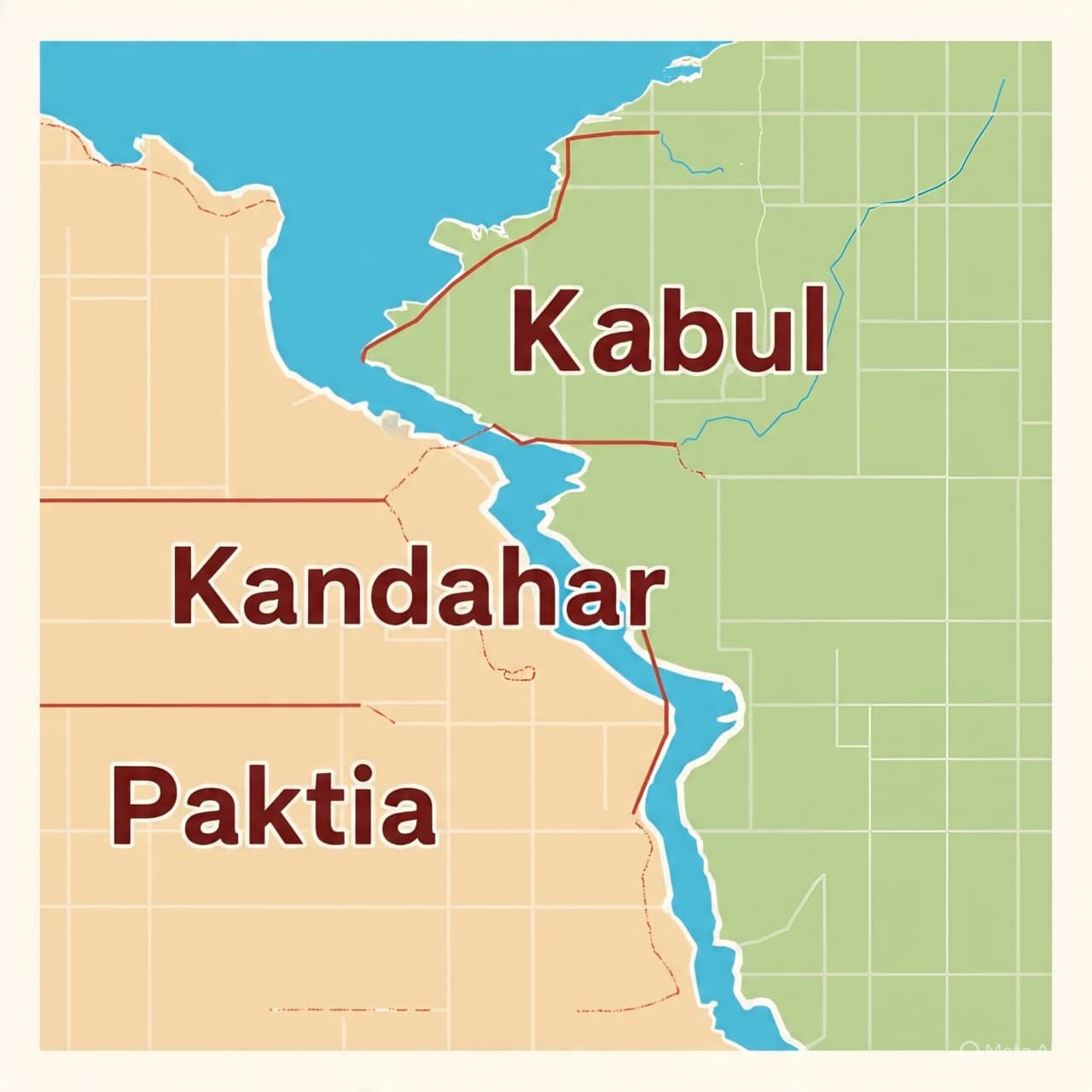
The immediate catalyst for this escalation was a series of cross-border military actions. The Taliban-led Afghan government claimed responsibility for an attack on Pakistani positions, framing it as retaliation for previous Pakistani operations. In response, Pakistan launched air and ground strikes targeting what it described as military installations within Afghanistan, including significant locations such as Kabul and Kandahar. This exchange of fire underscores a long-standing pattern of mutual accusations and military responses that have characterized the relationship between the two countries.
For years, Pakistan has accused Afghanistan of providing sanctuary to militant groups like the Tehrik-e-Taliban Pakistan (TTP), which have conducted attacks on Pakistani soil. Afghan officials have consistently denied these claims, labeling Pakistani strikes as violations of their sovereignty. The lack of independent verification of casualty figures complicates the narrative, with both sides presenting conflicting reports of losses. Pakistan claims dozens of militant casualties, while Afghanistan asserts significant losses among Pakistani military personnel.
As the conflict intensifies, the humanitarian implications are becoming increasingly dire. Civilians living along the 1,600-mile border are caught in the crossfire, facing displacement and disruption to their daily lives. The specter of war looms large, with both nations grappling with the potential fallout of a prolonged conflict. Displaced families, fragile economies, and the erosion of trust between neighbors are all consequences of the current trajectory.
Previous diplomatic efforts, including ceasefires and peace talks, had offered fleeting hope for resolution. However, these initiatives now seem to be fading into the background as military actions take precedence. The current landscape is one where leaders must consider not only immediate territorial defense but also the long-term repercussions of conflict on their populations.
In this fraught environment, ordinary citizens find themselves marginalized, their lives shaped by decisions made far beyond their control. As tensions continue to rise, the question remains: how long can these neighbors endure the strain of mistrust and hostility before dialogue is completely extinguished?
Published by Banx Network. This article is part of the Banx decentralized media programme, powered by the BXE token on the XRP Ledger.



