There are moments when the night sky feels less like an empty canvas and more like a slow gathering of old friends. At the end of February, Earth’s evening heavens invite just such an occasion — a gentle cosmic alignment where six of our neighboring planets will make a visible showing, quietly tracing their paths against the backdrop of twilight. It’s an event that reminds us how, across vast distances and long orbits, these distant worlds can seem to come together in shared company, much as people gather at dusk to watch day turn into night.
Skywatchers have known that planets — unlike stars — follow predictable trajectories along the ecliptic, the plane of our solar system. In late February 2026, those paths bring six planets into a configuration that allows them to be seen in close proximity after sunset. It’s not a perfect line stretching across the skies like beads on a string, but rather a clustered parade of bright beacons that appear to inhabit the same celestial stage.
Over the weekend around February 28, conditions are expected to be optimal for observing this “planetary parade.” If the skies are clear, Mercury, Venus, Jupiter and Saturn will be visible to the naked eye — radiant points that stand out against the fading glow of twilight. Their positions low in the western sky offer a fleeting but beautiful spectacle if viewed about an hour after sunset and away from urban light pollution.
For those with binoculars or a small telescope, the show includes two more worlds — Uranus and Neptune — whose dimmer light usually escapes casual sight. These distant giants will be perched higher in the sky and require a bit more effort to spot, but their presence completes the parade for enthusiasts seeking the full experience.
Astronomers emphasize a simple tip to distinguish planets from stars: planets typically shine steadily, while stars seem to twinkle due to Earth’s atmospheric turbulence. That steady gleam helps observers separate the parade participants from the twinkling tapestry of background stars.
This kind of multi‑planet gathering isn’t unprecedented, but it remains a treat. Alignments of four or five visible planets are more common — occurring every few years — yet seeing six simultaneously in a single evening sky remains special. Last year even saw a lineup of all seven visible planets, underscoring how the movements of our solar system can offer recurring but rare reminders of its elegant order.
For many, looking upward during such events is more than an act of observation — it’s a connection to the same skies that ancient astronomers studied long before telescopes or astrophotography. In an age of satellites and space probes, the simple sight of planets shared in a single vista still holds a gentle magic.
In straightforward terms: at the end of February 2026, six planets — Mercury, Venus, Jupiter, Saturn, Uranus and Neptune — are expected to be visible in the early evening sky after sunset, forming a “planetary parade.” Four of them can be detected without optical aids under clear conditions, while Uranus and Neptune will require binoculars or a telescope to see.
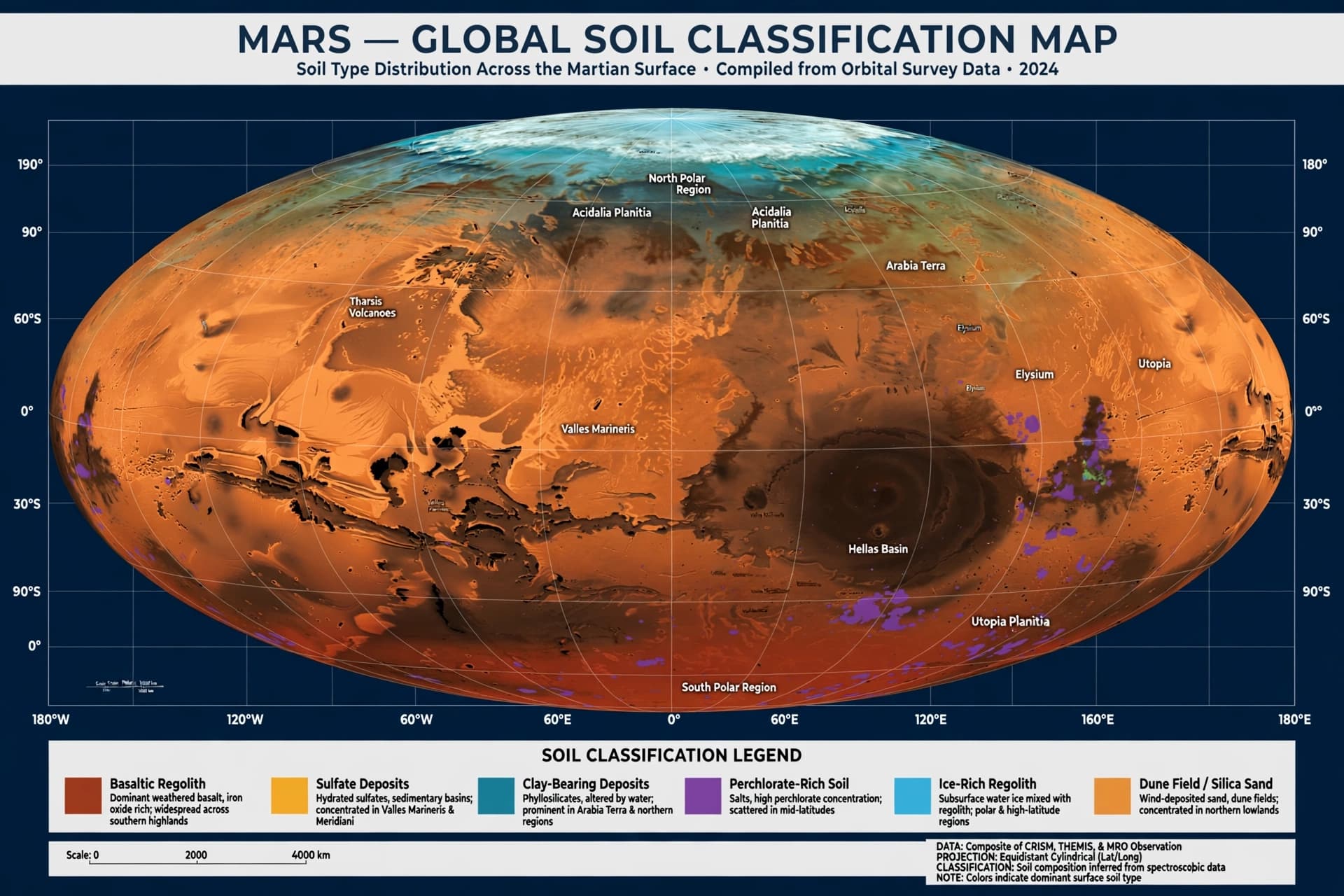
AI Image Disclaimer Visuals are created with AI tools and are not real photographs.
Sources Associated Press reporting on the six‑planet parade at the end of February 2026. PBS NewsHour explaining how and when to view the planetary alignment. Los Angeles Times coverage of the rare night sky event. AP‑cited coverage of the planetary parade visibility and viewing tips. Beaumont Enterprise description of the planetary parade and planets involved.
Published by Banx Network. This article is part of the Banx decentralized media programme, powered by the BXE token on the XRP Ledger.