
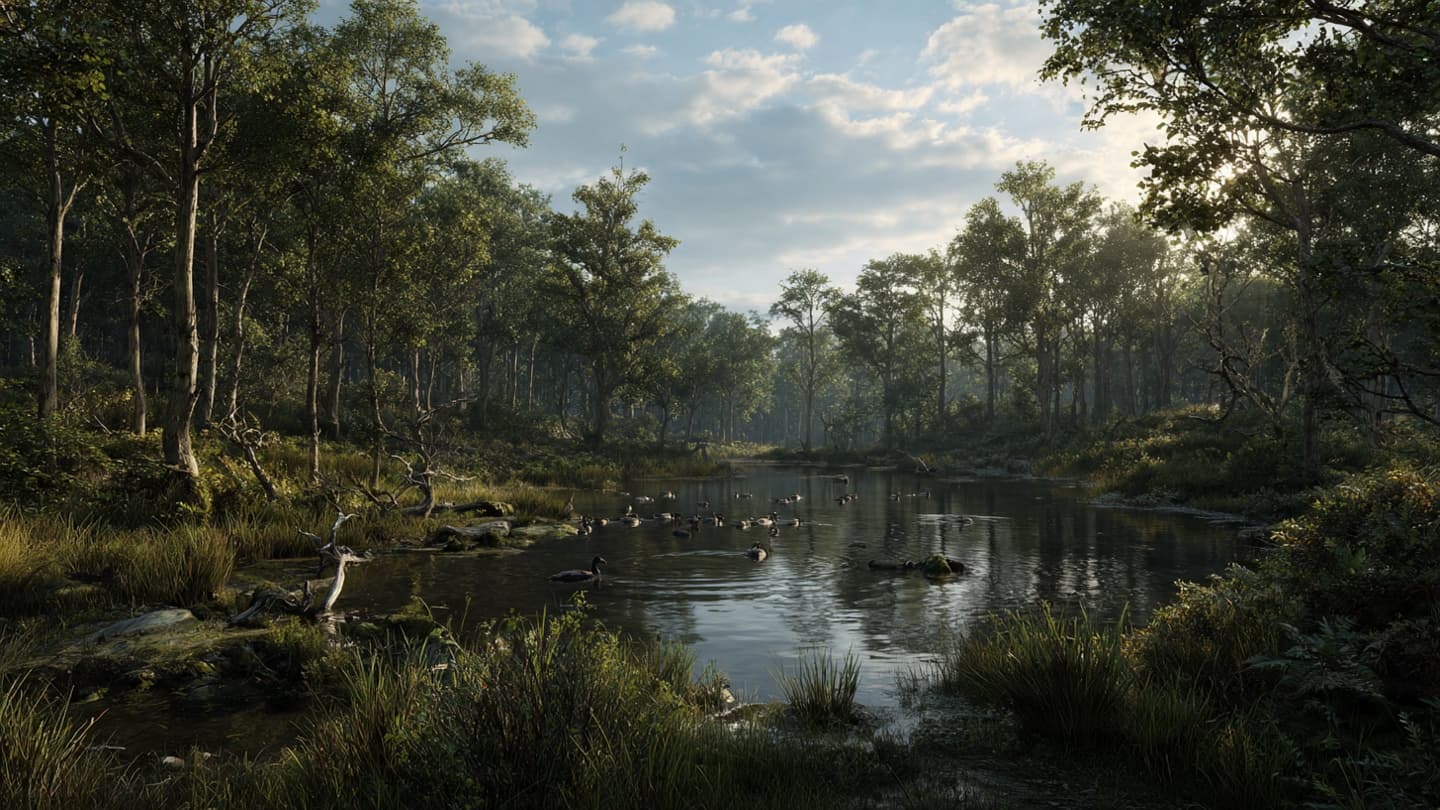
There are times when a nation’s priorities shift not through sudden transformation but through gradual recognition. A river long taken for granted gains renewed attention. A forest becomes more than scenery. A rare species is seen not merely as wildlife but as part of a larger ecological story. Across France, biodiversity protection is increasingly moving toward the center of environmental discussions.
Scientists have repeatedly emphasized that biodiversity is not simply a collection of individual species. It is the complex network of relationships connecting plants, animals, microorganisms, and ecosystems. Each element contributes to ecological stability in ways that are often invisible until they begin to disappear.
France possesses a remarkable variety of natural landscapes. Mountain ranges, coastal wetlands, agricultural regions, and extensive forests support diverse forms of life. Protecting these environments has become an important objective as concerns about habitat degradation and species decline continue to grow.
Recent conservation initiatives reflect a broader understanding of environmental stewardship. Rather than focusing exclusively on individual species, many programs seek to preserve entire ecosystems. This approach recognizes that long-term ecological health depends upon maintaining connections among habitats and natural processes.
Researchers note that biodiversity supports services essential to human societies. Pollination, water purification, soil fertility, and climate regulation all rely to varying degrees on functioning ecosystems. The benefits are often so integrated into daily life that they remain unnoticed until disruptions occur.
Public awareness campaigns have also contributed to growing momentum. Schools, community organizations, and environmental groups increasingly highlight the importance of protecting natural heritage. Educational efforts encourage citizens to view biodiversity not as an abstract concept but as something directly connected to local environments.
The private sector has begun participating as well. Some businesses are incorporating ecological considerations into planning and sustainability strategies, recognizing that environmental resilience can support long-term economic stability. Collaboration between public and private stakeholders has become a recurring theme within conservation discussions.
Challenges remain substantial. Urban expansion, changing land use patterns, and environmental pressures continue to affect habitats throughout Europe. Addressing these issues requires sustained commitment and careful coordination among multiple sectors of society.
Yet many conservationists view current developments with cautious optimism. Increased attention often creates opportunities for stronger protections, expanded research, and broader participation in environmental initiatives. Progress may occur incrementally, but cumulative efforts can produce meaningful results.
France’s growing focus on biodiversity reflects a wider international movement toward ecological responsibility. The path forward may involve difficult choices and long-term investments, but the objective remains clear: preserving the living systems that support both nature and human well-being for generations to come.
AI Image Disclaimer Graphics are AI-generated and intended for representation, not reality.
Source Check Credible sources identified before writing:
Le Monde Reuters France 24 International Union for Conservation of Nature (IUCN) European Environment Agency (EEA)
Note: This article was published on BanxChange.com and is powered by the BXE Token on the XRP Ledger. For the latest articles and news, please visit BanxChange.com