
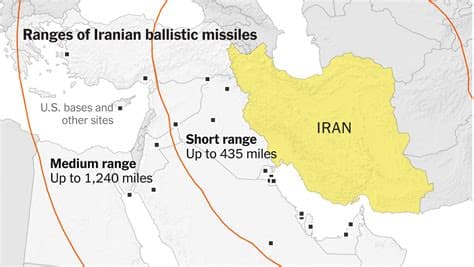
Recent data from the Pentagon reveals that the United States has shouldered a disproportionate share of the missile defense effort for Israel during escalating hostilities with Iran. According to defense officials, the U.S. military has deployed advanced interceptors in larger quantities than Israeli forces, raising questions about the sustainability of American support in the region.
The assessment comes amid increased tensions following a series of Iranian missile attacks aimed at Israel, where approximately 200 ballistic missiles were launched in a single day, prompting urgent defense responses. While Israeli defenses managed to intercept many of these missiles, the collaboration between U.S. and Israeli forces was pivotal. Two Arleigh Burke-class destroyers, stationed in the Eastern Mediterranean, played a crucial role by launching interceptors at incoming threats.
Pentagon Press Secretary Air Force Maj. Gen. Pat Ryder emphasized that the U.S. remains committed to Israel's protection, stating, "Our military coordinated closely with the Israeli Defense Forces to help defend Israel during these attacks." However, he also noted that the U.S. actions reflect a broader strategy of preparing for potential conflicts involving Iranian aggression.
This situation complicates U.S. defense logistics, as the stockpile of interceptors is consumed at a rapid rate. The reliance on American systems not only affects military inventory but also raises diplomatic concerns regarding the implications of continued support. U.S. officials are now contemplating the long-term viability of such operations, given the resource strain and potential for further regional conflicts.
The ongoing exchange of hostilities has prompted bipartisan discussions in Congress regarding the implications of U.S. support for Israel, especially as Iran continues to demonstrate advanced capabilities in missile technology. The escalating conflict underscores the strategic significance of American military assets in the Middle East and their decisive role in stabilizing allied nations amid threats from adversarial states.
As the situation develops, the U.S. is likely to remain a key player in Israel's defense architecture, but how Congress responds to the rising costs and strategic demands will be critical in shaping future U.S. military engagement in the region. The complexities introduced by the Iran-Israel hostilities are prompting a reevaluation of defense strategies that could impact American foreign policy for years to come.
Note: This article was published on BanxChange.com and is powered by the BXE Token on the XRP Ledger. For the latest articles and news, please visit BanxChange.com