
Key Highlights
- Wildlife in France is adapting to extreme heat conditions.
- Birds and aquatic ecosystems are particularly affected by rising temperatures.
- Conservation efforts are increasingly focused on climate resilience.
As heatwaves become more frequent and intense, the focus often shifts to human impacts, infrastructure, and economic consequences. However, the effects on wildlife and ecosystems are equally significant and deserve attention. In France, scientists are closely monitoring how various species are responding to prolonged periods of exceptional heat, revealing a complex interplay between climate change and biodiversity.
The delicate balance of temperature, water availability, and seasonal timing is crucial for the natural world. Extreme heat disrupts this balance, leading to warmer rivers, declining soil moisture, and less hospitable habitats. Even minor changes in environmental conditions can have profound effects on wildlife, prompting researchers to investigate the adaptive strategies employed by different species.
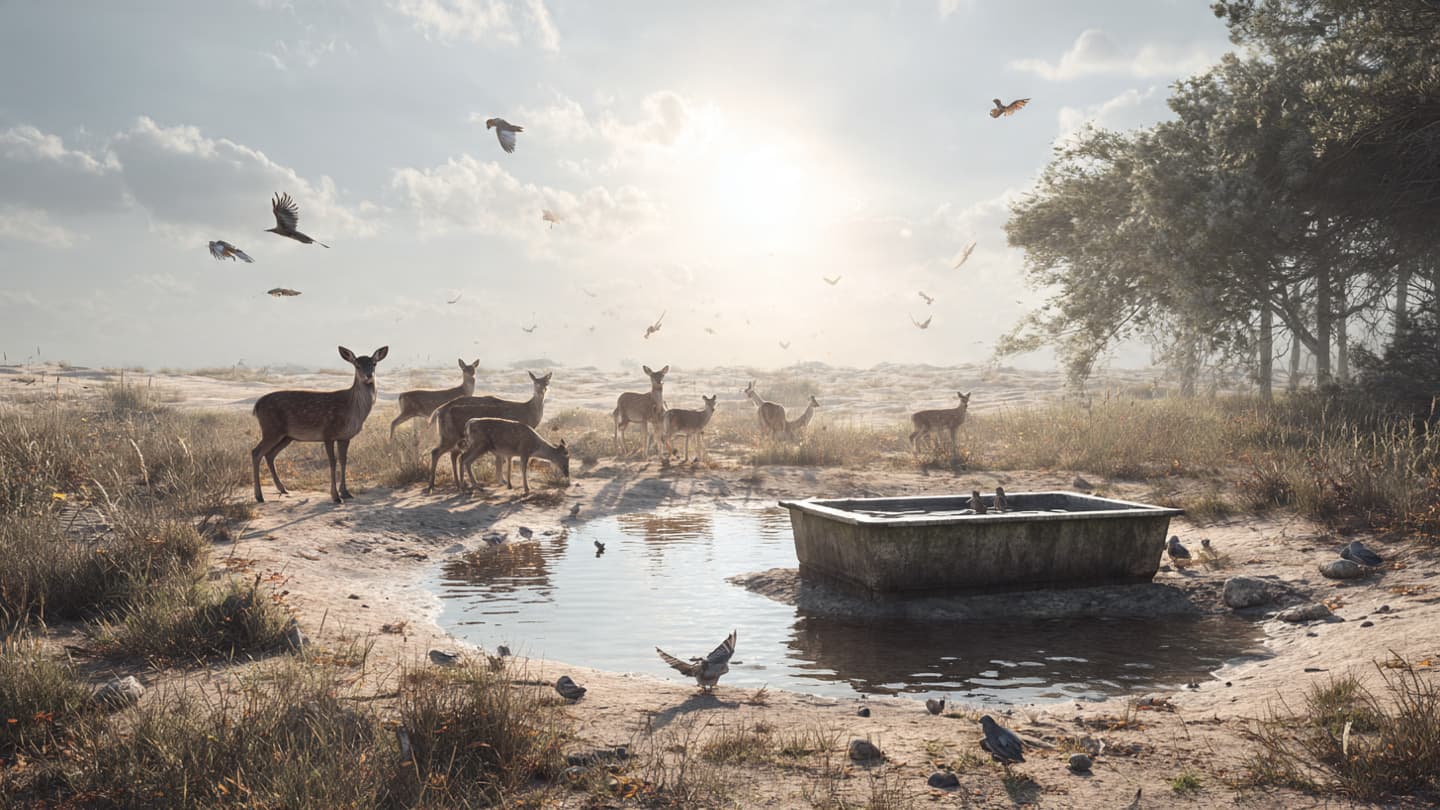
Among the most notable responses are changes in behavior. Many animals are adjusting their activity patterns, becoming more active during cooler parts of the day or seeking refuge in shaded areas. For instance, birds are modifying their feeding habits and spending more time conserving energy, highlighting their reliance on water sources, especially in urban environments where these resources are scarce.
Aquatic ecosystems are also under pressure. Rising water temperatures can lead to decreased oxygen levels, altering fish behavior and disrupting the ecological balance. Scientists are actively monitoring rivers and lakes to understand how these changes affect freshwater habitats and the species that depend on them.
In light of these challenges, environmental organizations are encouraging residents to take action to support local wildlife. Simple measures, such as providing clean water sources in gardens or maintaining shaded areas, can significantly aid animals during extreme heat events. These initiatives are particularly crucial in urban and suburban settings where natural habitats are limited.
The ongoing heatwave has underscored the intricate relationship between climate and biodiversity. While many species can adapt to short-term changes, long-term shifts in environmental conditions pose more complex challenges. Researchers emphasize the importance of understanding these dynamics to inform conservation strategies effectively.
Conservation efforts are increasingly integrating climate considerations into planning and management. Initiatives such as protected areas, habitat restoration projects, and biodiversity programs are being designed with future environmental conditions in mind. These strategies aim to enhance resilience across various ecosystems, ensuring that wildlife can thrive despite changing climates.
Scientists assert that ecosystems can exhibit remarkable resilience when provided with adequate resources and protection. By monitoring current conditions, researchers can identify vulnerabilities and highlight successful adaptation examples in the natural world.
As France grapples with unusually high temperatures, wildlife researchers remain vigilant, observing developments across the country's diverse landscapes. The ongoing heatwave serves as a poignant reminder that environmental change impacts not only human communities but also the myriad species navigating their own challenges and adaptations in an increasingly dynamic world.
Published by Banx Network. This article is part of the Banx decentralized media programme, powered by the BXE token on the XRP Ledger.



