

Key Highlights
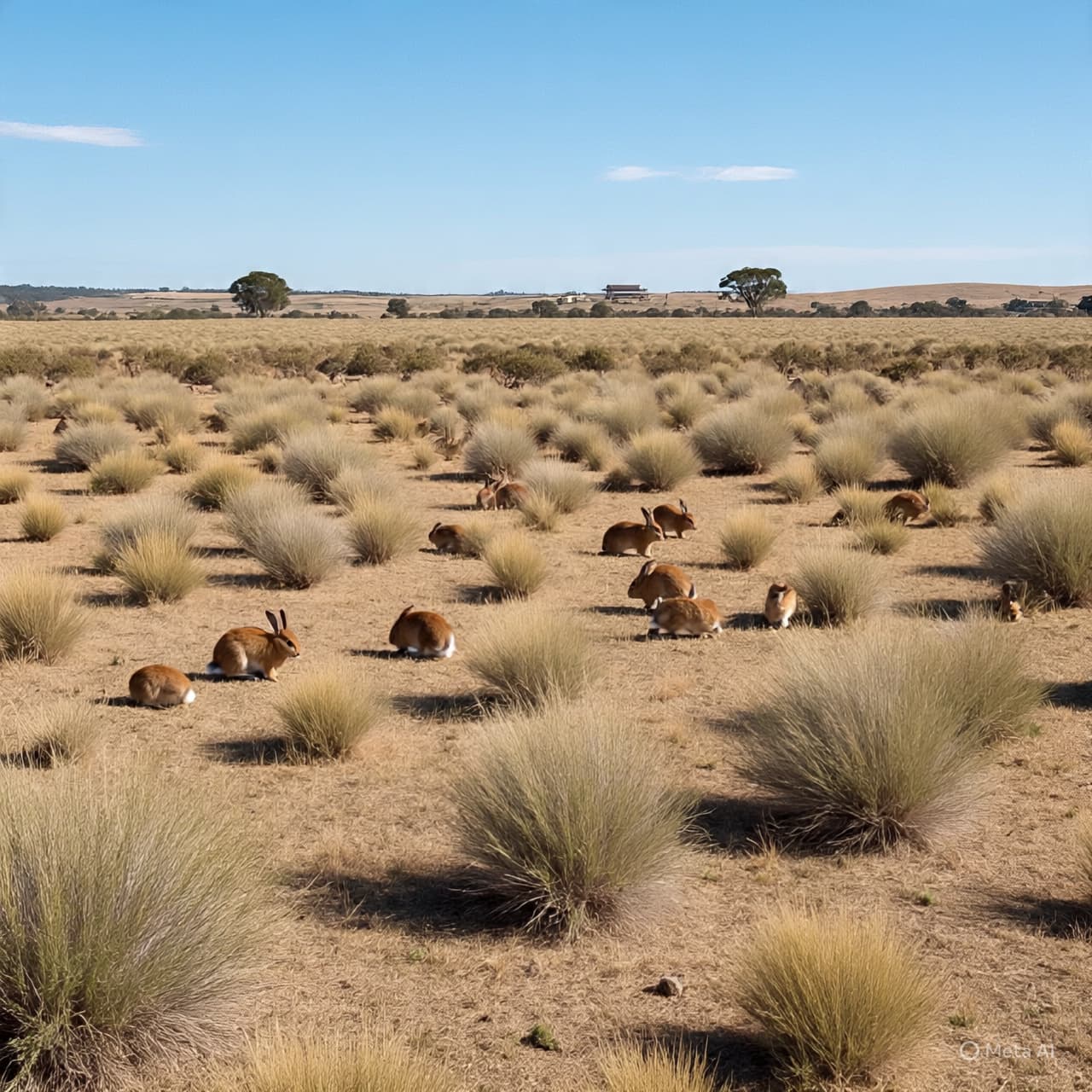
- Rabbit populations in Australia have surged due to genetic resistance.
- Myxomatosis and calicivirus were once effective biocontrol methods.
- Current strategies combine biological control with habitat management.
Australia's vast landscapes are home to a complex interplay between nature and agriculture, shaped by ongoing battles against invasive species. Among these, the European rabbit stands out as a significant challenge, having been introduced in the 19th century and rapidly multiplying in an environment devoid of natural predators. This unchecked growth has led to severe ecological consequences, including the degradation of native vegetation and increased competition for resources among native species.
For over a century, various biological control methods have been employed to manage rabbit populations. The introduction of myxomatosis in the 1950s marked a pivotal moment in wildlife management, leading to a dramatic decline in rabbit numbers. Farmers across Australia reported significant improvements in pasture health as the rabbit population plummeted. However, this success was not without its complications. Over time, rabbits developed genetic resistance to the virus, and the virus itself evolved into less lethal strains, diminishing its effectiveness as a control measure.
The introduction of rabbit hemorrhagic disease virus, or calicivirus, in the 1990s initially mirrored the success of myxomatosis, causing sharp declines in rabbit populations, particularly in arid regions. Yet, similar to its predecessor, calicivirus has also seen a decline in effectiveness as rabbits develop partial resistance and environmental factors affect the virus's spread. This cyclical pattern of decline and resurgence has prompted renewed attention from researchers and land managers alike.
Recent reports indicate that rabbit populations are once again on the rise in various parts of Australia, prompting a reevaluation of existing control strategies. Researchers are actively exploring improved variants of calicivirus and other innovative approaches to manage these resilient populations. Experimental programs are underway to develop updated strains of the virus that may overcome the resistance observed in certain rabbit populations.
However, experts caution that biological control methods should not be relied upon in isolation. Effective rabbit management typically requires a multifaceted approach that includes habitat management, fencing, baiting programs, and coordinated efforts among landholders. This comprehensive strategy aims not only to reduce rabbit numbers but also to protect fragile ecosystems that are vulnerable to the impacts of intense grazing.
Australia's experience with rabbit biocontrol has garnered international attention, serving as a case study in the complexities of ecological management. It highlights the dual nature of biological solutions, showcasing both their potential and their limitations in controlling invasive species. As scientists continue to investigate the next generation of control measures, the overarching lesson remains clear: ecosystems are dynamic and ever-adapting, necessitating that management tools evolve in tandem.
For now, myxomatosis and calicivirus remain integral components of Australia's strategy to manage rabbit populations, even as researchers and land managers seek innovative solutions to address the challenges posed by these invasive animals.
Published by Banx Network. This article is part of the Banx decentralized media programme, powered by the BXE token on the XRP Ledger.




