
Key Highlights
- Global energy systems are increasingly viewed as strategic assets.
- Countries are expanding their strategic energy reserves to combat market volatility.
- Investment in renewable energy infrastructure is on the rise.
In recent years, global energy systems have shifted from being viewed solely as commercial commodities to strategic assets. This transformation is largely a response to prolonged market volatility and geopolitical tensions that threaten energy supply chains. As a result, many nations are proactively expanding their strategic energy reserves, viewing them as essential buffers against sudden disruptions in global supply.
The expansion of strategic reserves is not merely a precautionary measure; it is a calculated response to the unpredictable nature of global energy markets. By increasing their storage capacity, governments aim to stabilize domestic markets during periods of external uncertainty. This strategic approach allows countries to mitigate the impact of supply shocks, ensuring that they can maintain energy availability for their populations and industries.
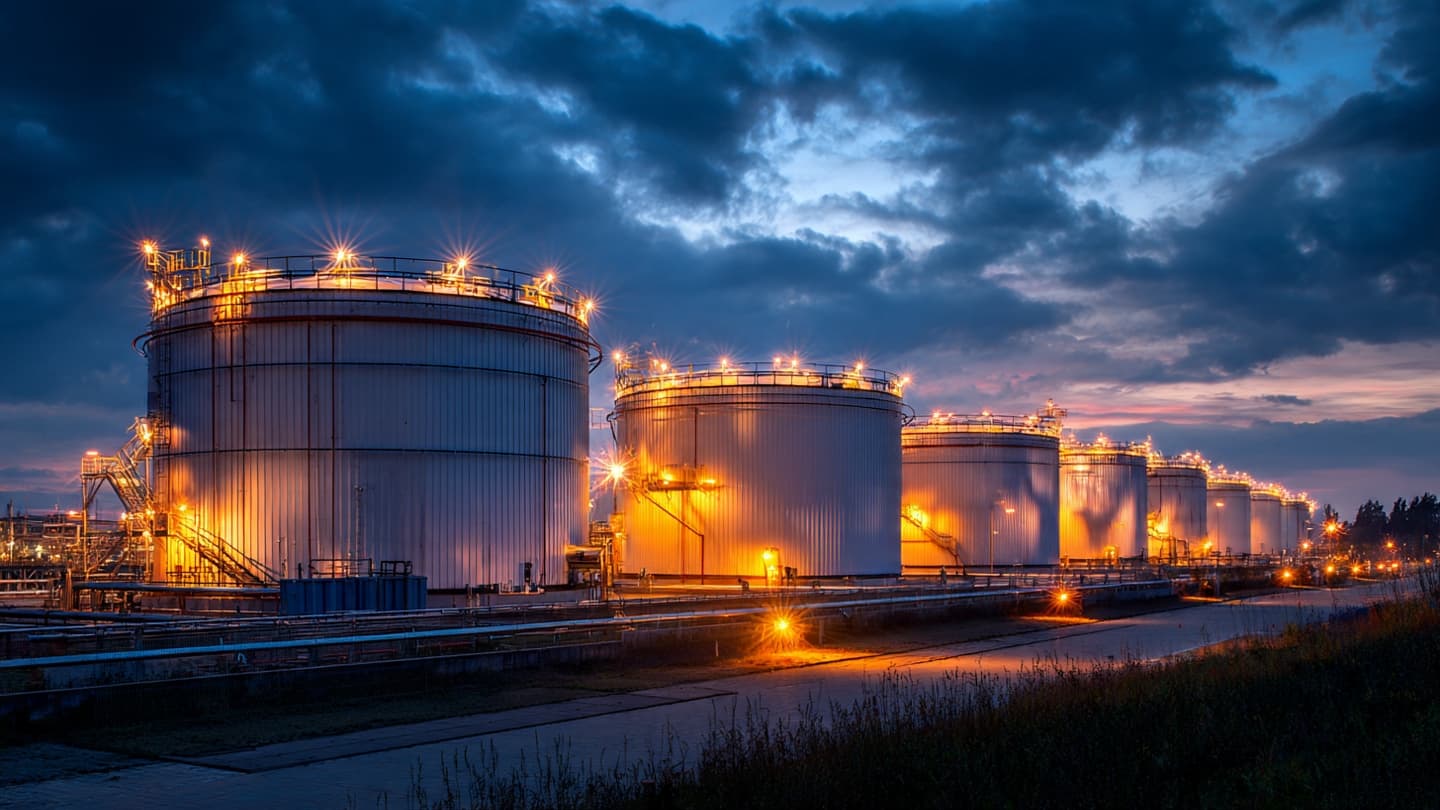
To support this initiative, oil and gas storage facilities are undergoing significant upgrades across various regions. These enhancements include expanding tank capacity, improving distribution infrastructure, and implementing advanced monitoring systems for real-time inventory tracking. Such improvements are crucial for ensuring that reserves can be accessed quickly and efficiently when needed.
In addition to physical storage enhancements, energy planners are diversifying their procurement strategies. Rather than relying on a limited number of suppliers, countries are establishing broader sourcing networks. This diversification reduces dependency risks and enhances energy security by ensuring that nations are not overly reliant on any single source of energy.
Market analysts have observed that even the perception of increased reserve accumulation can significantly influence global pricing dynamics. This phenomenon highlights the intricate relationship between psychological factors and physical supply conditions in energy markets. As countries signal their commitment to building reserves, it can lead to shifts in market behavior and pricing, further emphasizing the strategic importance of these reserves.
Simultaneously, investment in renewable energy infrastructure continues to grow as governments recognize the need for a balanced energy portfolio. By investing in renewables, nations aim to reduce their long-term exposure to fossil fuel volatility, thereby enhancing their overall energy security. This dual approach—expanding strategic reserves while investing in renewable energy—reflects a comprehensive strategy to navigate the complexities of modern energy markets.
Industrial sectors are also adapting to this evolving landscape. Many are adjusting their consumption patterns by implementing efficiency measures and optimizing energy use. These proactive steps are designed to reduce vulnerability to external shocks, ensuring that industries can operate smoothly even in times of crisis.
In conclusion, the concept of energy security is evolving. It is no longer defined solely by the availability of resources but by the resilience and flexibility of supply systems. As nations continue to stockpile energy reserves and invest in renewable infrastructure, they are better positioned to face the challenges of an unpredictable global energy landscape.
Published by Banx Network. This article is part of the Banx decentralized media programme, powered by the BXE token on the XRP Ledger.



