

Key Highlights
- Global food security initiatives are gaining momentum amid climate challenges.
- Governments are investing in sustainable agricultural practices and technology.
- International cooperation is essential for improving nutrition and food access.
Global food security has become a pressing issue as nations grapple with the impacts of climate change and economic instability. Recent initiatives led by international organizations aim to enhance food systems and ensure that nutritious food is accessible to all. These efforts underscore the importance of collaboration among governments, farmers, and researchers to build resilience in agricultural production.
The United Nations and various agricultural agencies have emphasized the need for sustainable practices to combat the adverse effects of climate variability. Extended droughts, unpredictable rainfall, and extreme weather events have significantly impacted crop yields in many regions. In response, governments are increasingly investing in modern irrigation systems, improved seed varieties, and precision agriculture techniques. These advancements not only aim to boost productivity but also to safeguard natural resources for future generations.
Small-scale farmers, who contribute significantly to global food supply, are at the heart of these initiatives. Access to credit, agricultural training, and digital technologies are empowering rural communities to enhance their efficiency and mitigate production risks. International funding programs are crucial in supporting these farmers, enabling them to adopt innovative practices that align with sustainable development goals.
Supply chain resilience has emerged as a critical focus area. Governments and development organizations are prioritizing investments in transportation networks, storage facilities, and food distribution systems. These improvements are designed to reduce waste and enhance market access, ensuring that food reaches those who need it most. By strengthening supply chains, nations can better respond to disruptions caused by climate change and other global challenges.
Nutrition remains a central theme in food security programs. Initiatives increasingly emphasize the importance of balanced diets, school meal programs, and support for vulnerable populations. By addressing nutritional needs alongside agricultural development, these programs aim to improve public health outcomes and foster long-term stability in communities.
As global challenges continue to evolve, the need for stronger international cooperation becomes ever more apparent. The shared responsibility of ensuring food security highlights the importance of sustained collaboration among governments, researchers, farmers, and humanitarian organizations. By working together, nations can create a more resilient food system that guarantees reliable access to food for future generations.
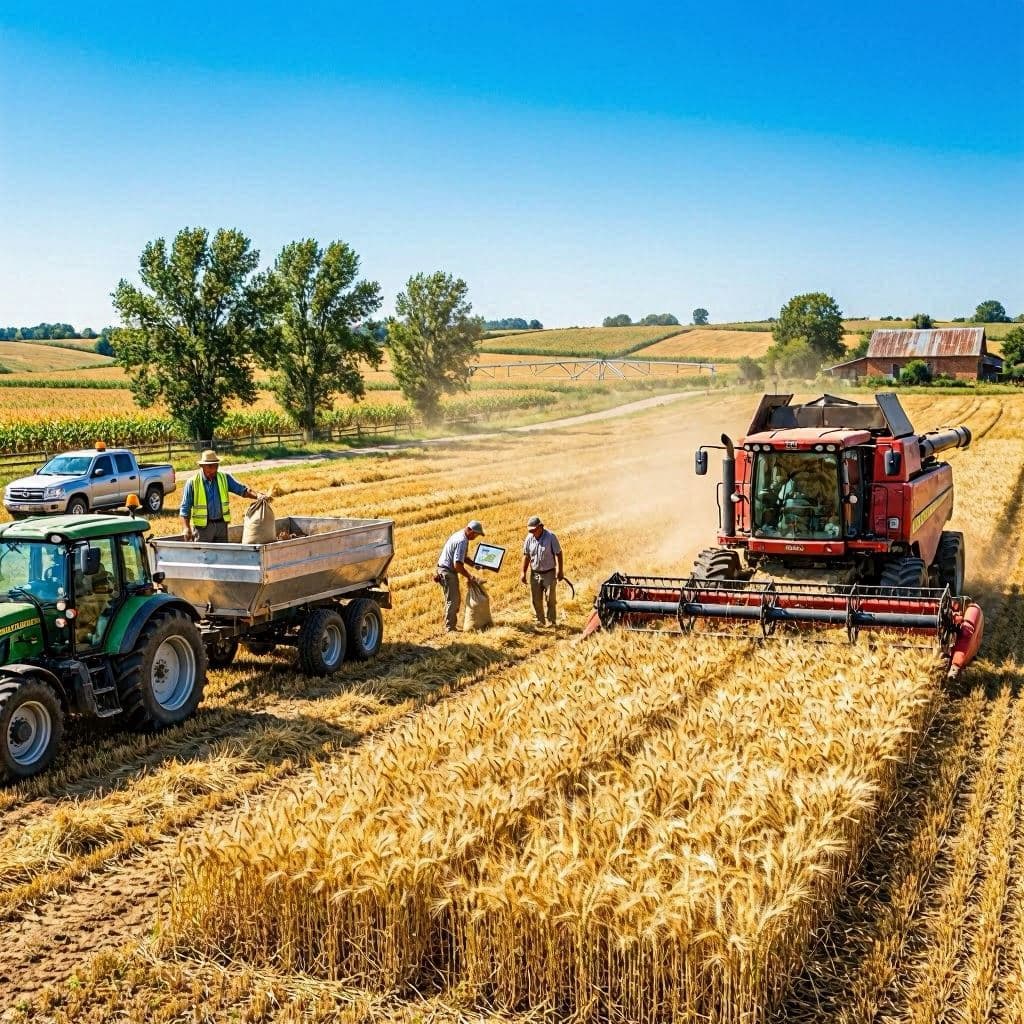
AI-generated image disclaimer: This illustration was created using artificial intelligence for visual representation and does not depict an actual event.
Source Verification: United Nations, Food and Agriculture Organization (FAO), Reuters
Published by Banx Network. This article is part of the Banx decentralized media programme, powered by the BXE token on the XRP Ledger.




