Partnerships between nations often resemble carefully tended bridges, built over time and strengthened by shared interests. In a shifting global landscape, such connections can take on renewed significance, offering both stability and direction.
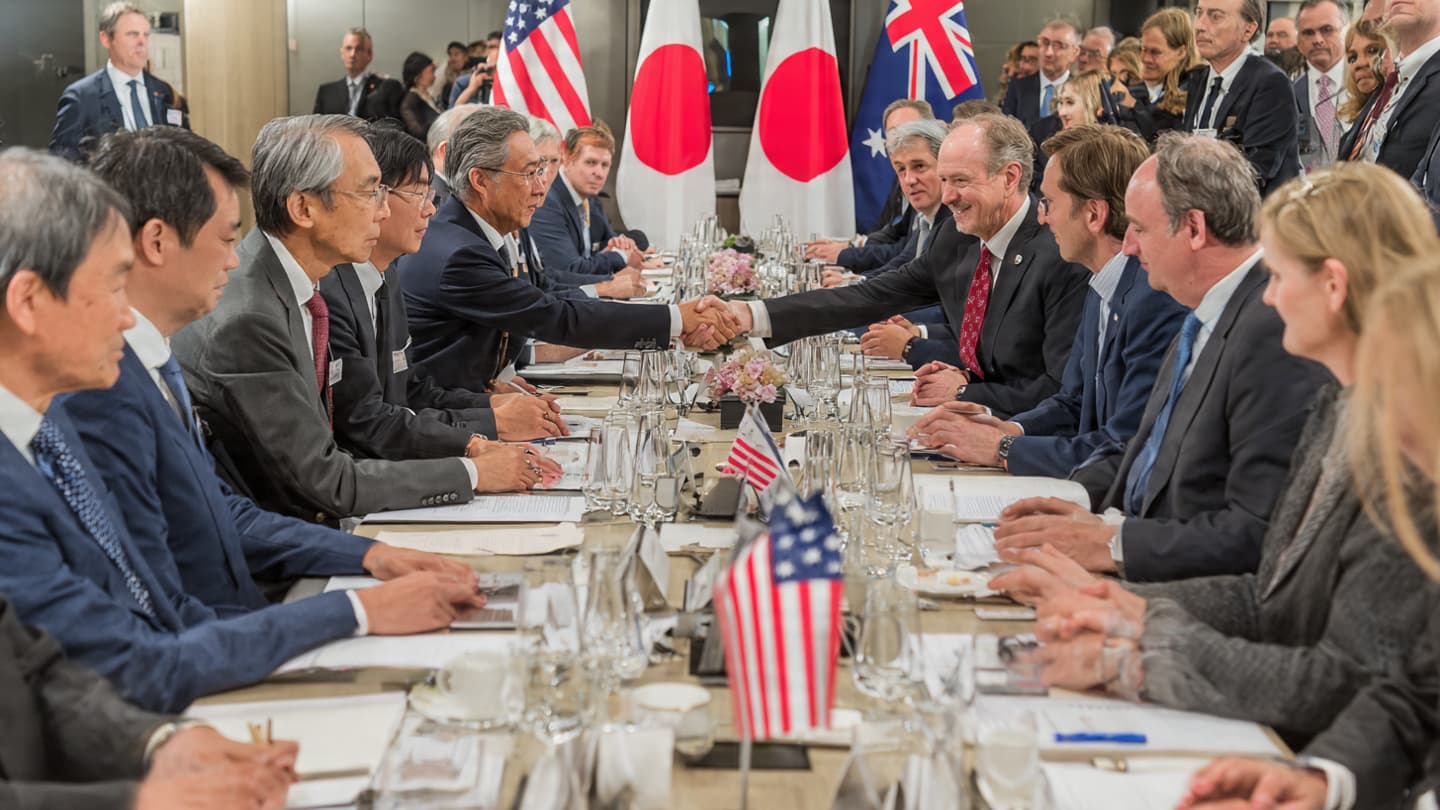
Japan and Australia have agreed to expand their cooperation across key sectors, including energy, defense, and critical minerals. The agreement reflects a shared commitment to enhancing economic resilience and regional security amid evolving global dynamics.
Leaders from both countries emphasized the importance of reliable energy supplies, particularly as nations transition toward cleaner sources while maintaining stability. Collaboration in areas such as liquefied natural gas and renewable technologies is expected to play a central role.
Defense cooperation also features prominently in the agreement, with both countries seeking to strengthen coordination in response to regional security challenges. Joint exercises and strategic dialogue are among the measures being considered.
Critical minerals, essential for technologies ranging from batteries to electronics, form another pillar of the partnership. Australia’s resource base and Japan’s industrial capacity create a complementary relationship that both sides aim to develop further.
The agreement aligns with broader efforts by like-minded nations to diversify supply chains and reduce vulnerabilities. In recent years, global disruptions have highlighted the importance of secure and transparent resource networks.
Officials noted that the partnership is not only economic but also strategic, reflecting shared values and long-standing diplomatic ties. Both countries are key players in regional forums and have worked together on various international initiatives.
Observers view the development as part of a wider pattern of cooperation in the Indo-Pacific region, where economic and security interests increasingly intersect.
As the agreement moves forward, its impact will likely be measured through concrete projects and sustained dialogue, shaping how both nations navigate an interconnected future.
AI Image Disclaimer: This article may include AI-generated images designed to support the narrative visually.
Sources: Reuters, Nikkei Asia, The Australian, BBC
Published by Banx Network. This article is part of the Banx decentralized media programme, powered by the BXE token on the XRP Ledger.