There are moments in global trade when the sea feels less like a passage and more like a question. The waters of the Strait of Hormuz, long known as one of the world’s most vital arteries, have once again taken on a quieter tension—like a narrow bridge suspended between uncertainty and necessity. Ships pass, but not without thought; cargo moves, but not without calculation.
In this atmosphere, a statement from Hasto Kristiyanto emerges not as a sharp declaration, but as a gesture of readiness. Representing Indonesian Democratic Party of Struggle, he conveyed that the party stands prepared to assist in ensuring that two tankers belonging to Pertamina may safely traverse the contested waters. It is, in essence, an offering of support—one that reflects not only political positioning but also a recognition of how fragile the threads of global energy supply can become.
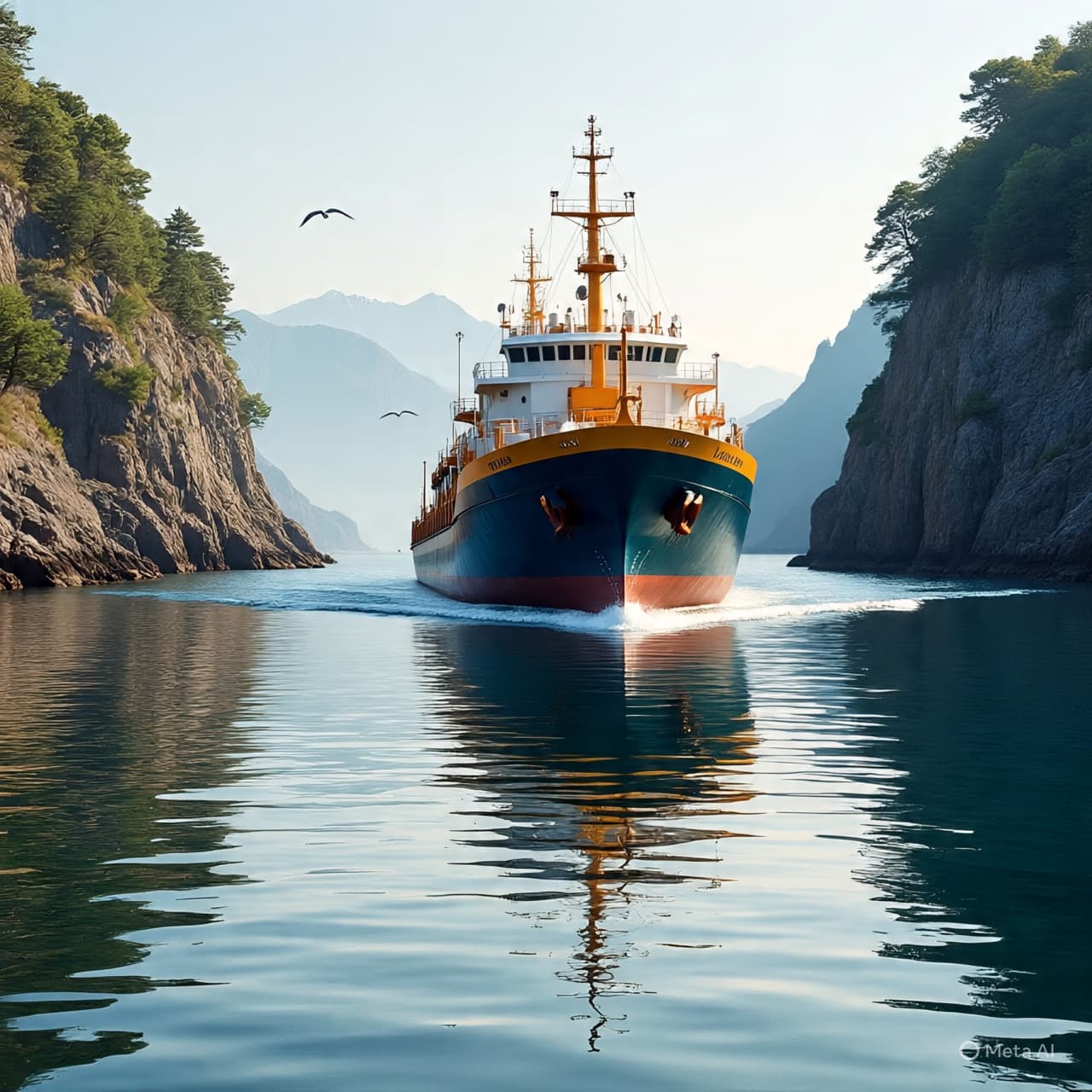
The tankers themselves, though distant from public view, carry more than fuel. They carry the quiet expectations of continuity—of lights staying on, industries continuing their rhythm, and economies maintaining their steady breath. In times like these, even a single maritime route can feel like a lifeline stretched across continents.
Hasto’s remarks suggest coordination, not confrontation. There is no overt defiance in tone, but rather an awareness that navigation today is as much diplomatic as it is geographic. The involvement of a political party in such discourse reflects how deeply intertwined energy security and national stability have become. What once belonged solely to maritime operators and international regulators now draws the attention of broader institutions, each mindful of the delicate balance required.
Meanwhile, the Strait of Hormuz continues its silent vigil. Tankers from many nations pass through its narrow expanse, each voyage a negotiation with circumstance. For Indonesia, whose energy needs remain closely tied to global supply routes, the safe passage of these vessels is not merely logistical—it is symbolic of resilience in a shifting world.
The situation does not call for alarm, but it does invite reflection. How nations respond to such moments often reveals their broader posture—whether they lean toward caution, cooperation, or quiet determination. In this case, the message appears measured: readiness without escalation, involvement without excess.
As the two tankers prepare for their journey, the world may not pause to watch. Yet within this seemingly routine passage lies a subtle reminder—that even in calm waters, the currents beneath can shape the course of many shores.
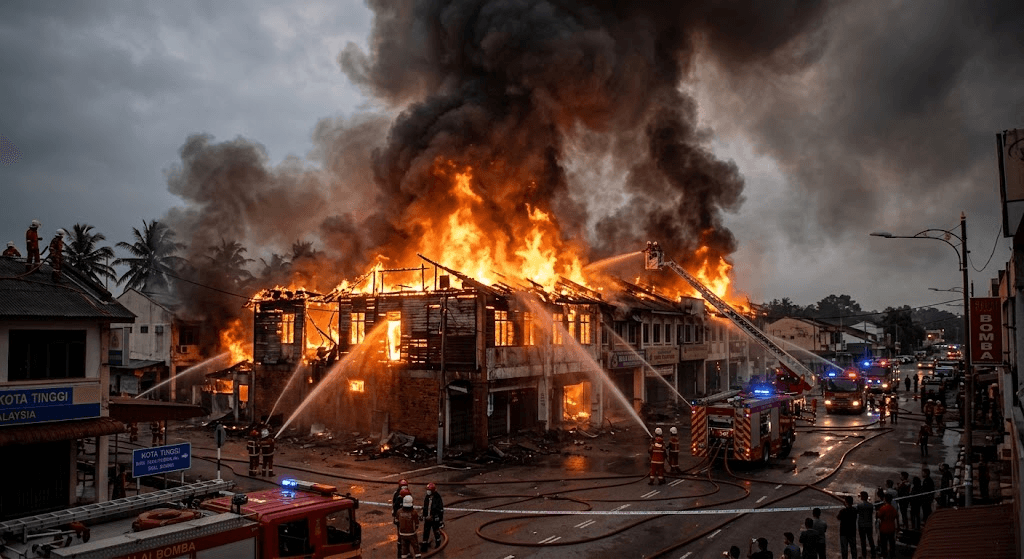
AI Image Disclaimer
Visuals are created with AI tools and are not real photographs.
Source Check
Credible coverage exists from the following media outlets:
Kompas
Tempo
CNN Indonesia
Detik
Reuters
Published by Banx Network. This article is part of the Banx decentralized media programme, powered by the BXE token on the XRP Ledger.