
Key Highlights
- Indonesia's political leaders emphasize quiet diplomacy amid maritime tensions.
- Pertamina's tankers are set to navigate the contested waters of the Strait of Hormuz.
- The situation reflects broader themes of energy security and national stability.
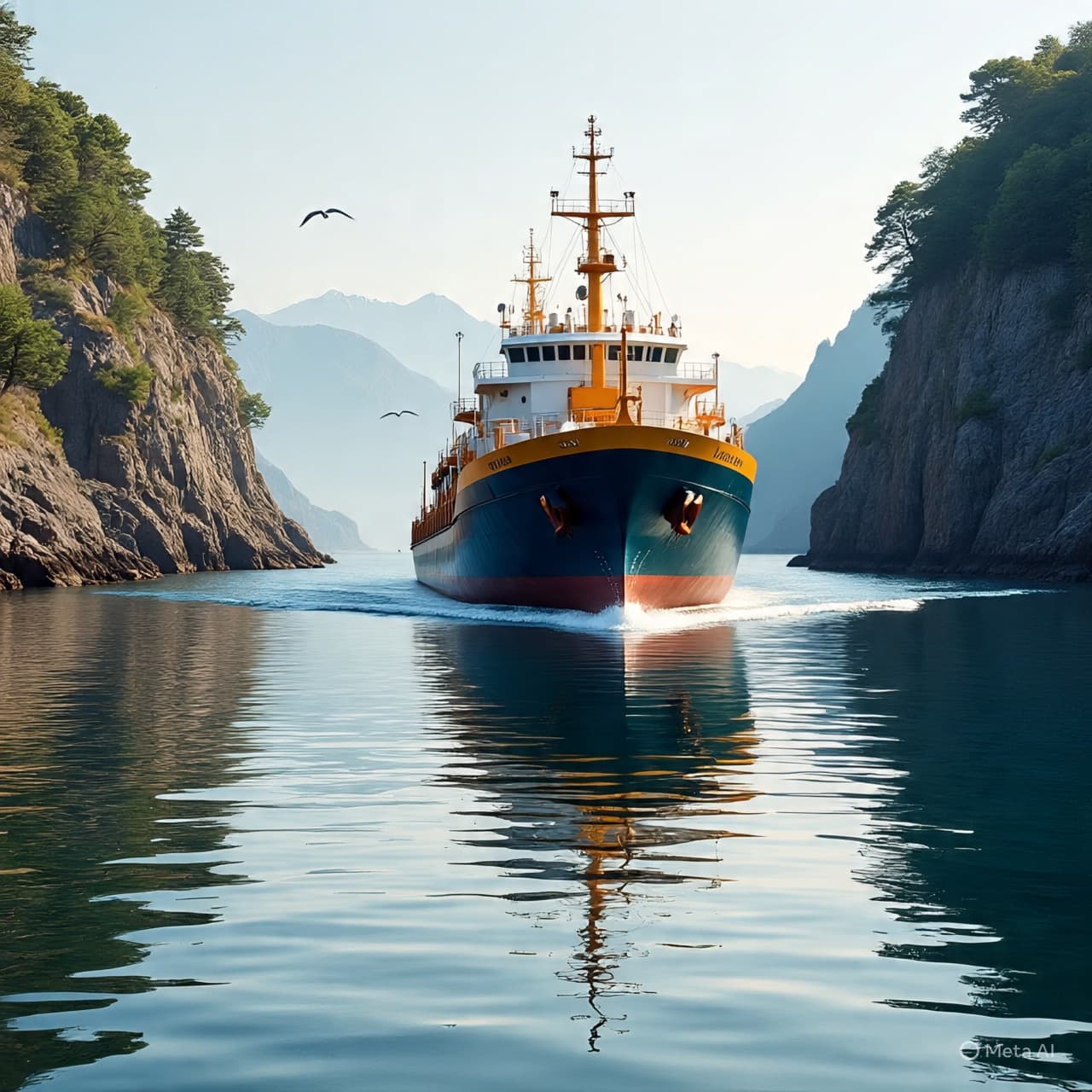
In the realm of global trade, the sea often serves as both a passage and a question mark. The Strait of Hormuz, a critical artery for international shipping, currently embodies a quiet tension, where the movement of vessels is laden with implications. As ships traverse these waters, the stakes are high, and the calculations behind each cargo shipment become increasingly complex.
Amid this backdrop, Hasto Kristiyanto, a representative of the Indonesian Democratic Party of Struggle, has made a notable statement regarding the safe passage of two Pertamina tankers through these uncertain waters. His remarks are not merely political rhetoric; they signify a commitment to ensuring the continuity of energy supplies, reflecting the fragile nature of global energy dynamics.
The tankers, while often unseen by the public, symbolize much more than just fuel transport. They represent the essential flow of energy that powers industries, keeps lights on, and sustains economies. In a world where energy security is paramount, the safe navigation of these vessels is crucial, serving as a lifeline that connects nations and economies.
Kristiyanto's comments suggest a diplomatic approach to the challenges posed by the Strait of Hormuz. Rather than adopting a confrontational stance, the emphasis is on coordination and readiness. This reflects a growing recognition that energy security is intertwined with national stability, necessitating involvement from political entities beyond traditional maritime operators and regulators.
As tankers from various nations continue to navigate the Strait, Indonesia's position becomes increasingly significant. The country’s energy needs are closely linked to global supply routes, making the safe passage of its vessels not just a logistical concern but a matter of national resilience in a rapidly changing geopolitical landscape.
The current situation invites reflection on how nations respond to maritime challenges. Indonesia's measured response—promoting readiness without escalation—illustrates a commitment to cooperation and stability. As the two Pertamina tankers prepare for their journey, the world may overlook this routine operation, yet it serves as a poignant reminder of the underlying currents that shape international relations and energy security.
In conclusion, the quiet diplomacy advocated by Indonesian leaders highlights the importance of strategic navigation through not only physical waters but also the complex geopolitical waters that define our times. As nations grapple with uncertainty, the ability to maintain open lines of communication and cooperation will be essential for ensuring the stability of global energy supplies.
Published by Banx Network. This article is part of the Banx decentralized media programme, powered by the BXE token on the XRP Ledger.



