

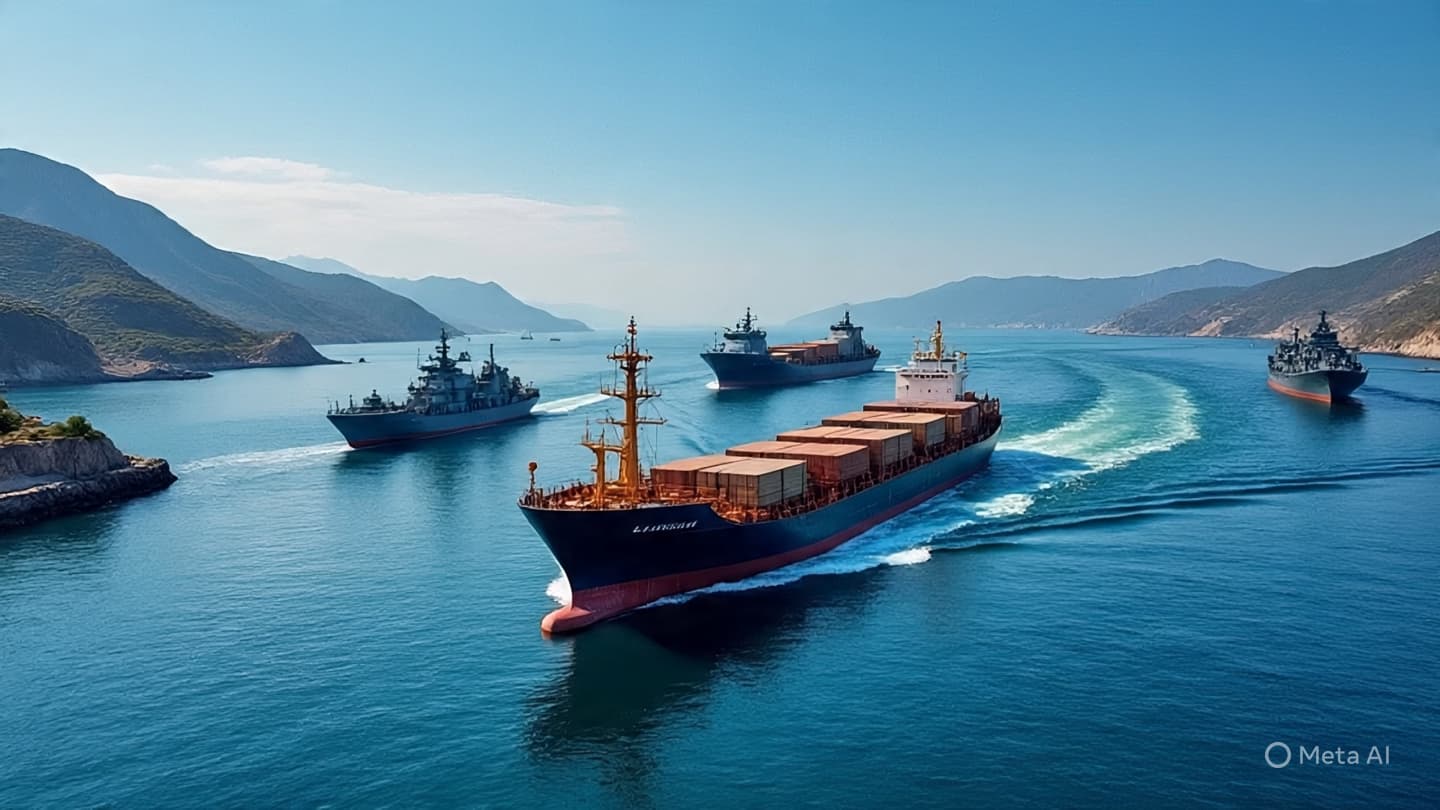
Key Highlights
- Iran seized two vessels in the Strait of Hormuz amid rising tensions.
- The move follows a ceasefire initiative extension by former U.S. President Trump.
- Global energy markets are reacting to potential disruptions in this critical shipping lane.
The Strait of Hormuz, a narrow waterway that serves as a crucial passage for global oil shipments, is once again in the spotlight as geopolitical tensions escalate. Recently, Iranian authorities announced the seizure of two vessels, a significant development that underscores the ongoing fragility of maritime stability in this strategically vital region. This action comes shortly after former U.S. President Donald Trump extended a ceasefire initiative, which has been interpreted by some as an attempt to foster dialogue amid rising tensions.
The Strait of Hormuz is not only a critical artery for oil transport but also a focal point for international relations, where economic interests and national security concerns intersect. Approximately 20% of the world's oil supply passes through this narrow passage, making any disruption a matter of global concern. Analysts warn that even minor incidents can have far-reaching implications, affecting energy prices and diplomatic relations worldwide.
Iran's state media has characterized the vessel seizures as a necessary response to violations of maritime regulations, although specific details regarding the incidents remain sparse. Observers note that such actions often serve multiple purposes, including asserting national sovereignty and sending a message to international actors about Iran's readiness to defend its interests in the region.
The timing of these seizures, coinciding with the ceasefire extension, raises questions about the underlying motivations of Iranian authorities. While some analysts view the ceasefire as a potential opening for dialogue, the vessel seizures suggest that tensions are far from resolved. Competing narratives among regional actors complicate the situation, with each side interpreting actions through its own lens of strategic interests.
International reactions to the vessel seizures have been measured, with governments and organizations closely monitoring the developments. The emphasis remains on maintaining freedom of navigation in the Strait of Hormuz, a principle that is vital for global trade. Diplomatic efforts are ongoing, as regional stakeholders and global powers engage in discussions aimed at preventing further escalation and ensuring stability in the region.
The impact on energy markets has already begun to manifest, with analysts noting that even limited disruptions in the Strait can influence pricing expectations. The interconnected nature of global supply chains means that developments in this narrow passage are felt far beyond its shores, affecting economies worldwide.
As the situation continues to evolve, the Strait of Hormuz serves as a stark reminder of the intricate ties between regional dynamics and global stability. Each action taken in this critical waterway carries consequences that extend well beyond its immediate vicinity, highlighting the importance of diplomatic engagement and conflict resolution in maintaining peace and security.
Published by Banx Network. This article is part of the Banx decentralized media programme, powered by the BXE token on the XRP Ledger.




