
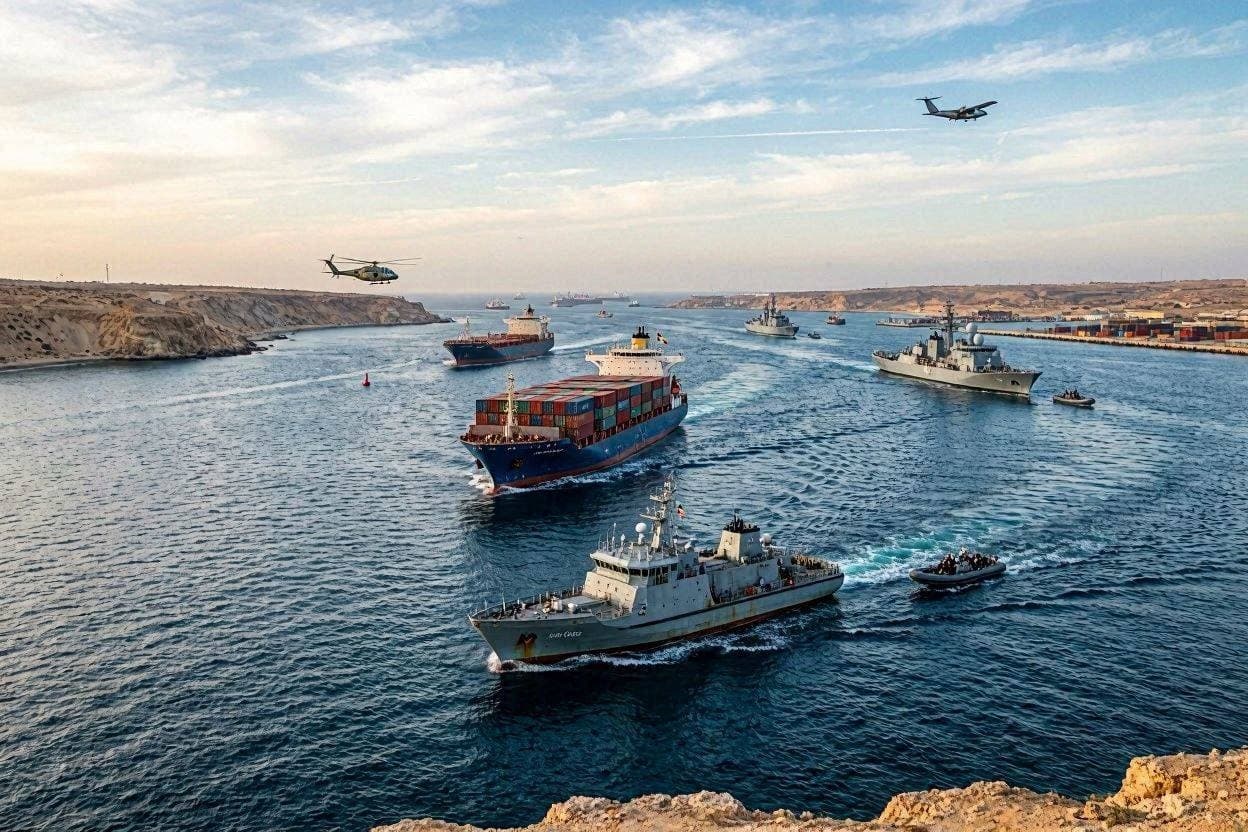
Key Highlights
- Iran reportedly asks Houthis to block Bab el-Mandeb Strait if US strikes occur.
- The Bab el-Mandeb Strait is crucial for global shipping and energy trade.
- Disruption could significantly impact shipping schedules and insurance costs.
The Bab el-Mandeb Strait, a vital maritime corridor linking the Red Sea to the Gulf of Aden, is once again at the center of geopolitical tensions. Recent reports suggest that Iran has communicated with Yemen's Houthi movement, urging them to prepare for potential actions to block this critical waterway should the United States initiate military strikes against Iranian energy infrastructure. This development, first reported by Reuters, highlights the ongoing complexities of international relations in the region.
The Bab el-Mandeb Strait is not just a narrow passage; it is a lifeline for global commerce. A significant portion of the world's energy shipments and international trade flows through this strait, making its security a matter of global concern. The implications of any disruption here extend far beyond the immediate region, affecting economies and supply chains worldwide.
According to sources familiar with the discussions, preparations have been communicated to Houthi forces, with indications that missiles and drones have been strategically positioned near the waterway. However, independent verification of these claims remains limited, underscoring the uncertainty surrounding the situation. The lack of official confirmation from either Iran or the Houthis adds another layer of complexity to the narrative.
This reported escalation comes amid heightened tensions between Washington and Tehran, characterized by military exchanges and increasing concerns over regional infrastructure. The potential for conflict in this area has already contributed to rising uncertainty in energy markets, with analysts warning that any disruption to the Bab el-Mandeb Strait could have significant repercussions.
Shipping schedules, insurance costs, and global supply chains are all at risk if the strait becomes a flashpoint for conflict. Historical precedents show that commercial vessels often alter their routes during periods of instability in the Red Sea, reflecting the economic importance of maintaining uninterrupted navigation through this corridor.
As governments and shipping companies closely monitor the evolving situation, official responses are focused on ensuring freedom of navigation and safeguarding international maritime commerce. Diplomatic efforts are expected to remain active as regional tensions continue to unfold, with stakeholders keenly aware of the broader implications of any military action.
The situation remains fluid, with many of the reported plans contingent on future developments rather than confirmed actions. For now, the Bab el-Mandeb Strait serves as a stark reminder of how strategic waterways can reflect the broader currents of international relations and the delicate balance of power in the region.
Published by Banx Network. This article is part of the Banx decentralized media programme, powered by the BXE token on the XRP Ledger.



