
Key Highlights
- U.S.-Iran relations are shaped by multiple factors, not a single narrative.
- Claims of a 'Greater Israel' lack formal policy support.
- Simplified narratives can obscure complex geopolitical realities.
In times of uncertainty, narratives often emerge that attempt to explain complex tensions through singular motives. These interpretations, while compelling in their clarity, frequently coexist with a more intricate reality shaped by history, policy, and competing interests. The ongoing discourse surrounding U.S.-Iran relations exemplifies this phenomenon, where oversimplified narratives can lead to misunderstandings about the true nature of geopolitical dynamics.
The idea that a conflict between the U.S. and Iran could arise with the specific aim of creating a so-called “Greater Israel” has circulated in certain discussions. However, such claims are not supported by established policy statements or credible official positions. Instead, mainstream analysis of U.S.-Iran relations points to a range of factors, including nuclear negotiations, regional security concerns, and longstanding political differences. These elements, rather than a single objective, shape the interactions between the two countries.
Experts emphasize the importance of distinguishing between verified information and interpretive narratives. In complex geopolitical environments, simplified explanations can overlook the layered nature of decision-making. The concept of “Greater Israel” itself is not part of formal diplomatic frameworks guiding international relations. While it may appear in certain ideological contexts, it does not reflect the stated policies of governments involved in current negotiations or tensions.
Media coverage from established outlets consistently frames U.S.-Iran dynamics around measurable issues such as sanctions, security, and diplomacy. These frameworks provide a clearer basis for understanding developments. For instance, recent reports highlight the impact of sanctions on Iran's economy and the ongoing negotiations regarding its nuclear program, illustrating the multifaceted nature of the relationship.
At the same time, the persistence of alternative narratives highlights the role of perception in global affairs. Public discourse often includes a range of viewpoints, not all of which align with verified information. Observers note that maintaining clarity in reporting is essential, particularly when discussing potential conflicts. Careful attention to sources and evidence helps ensure that analysis remains grounded in reality.
In the broader picture, the relationship between the United States and Iran continues to evolve within a framework defined by policy, negotiation, and regional considerations, rather than singular overarching motives. As the geopolitical landscape shifts, understanding these complexities will be crucial for policymakers and analysts alike.
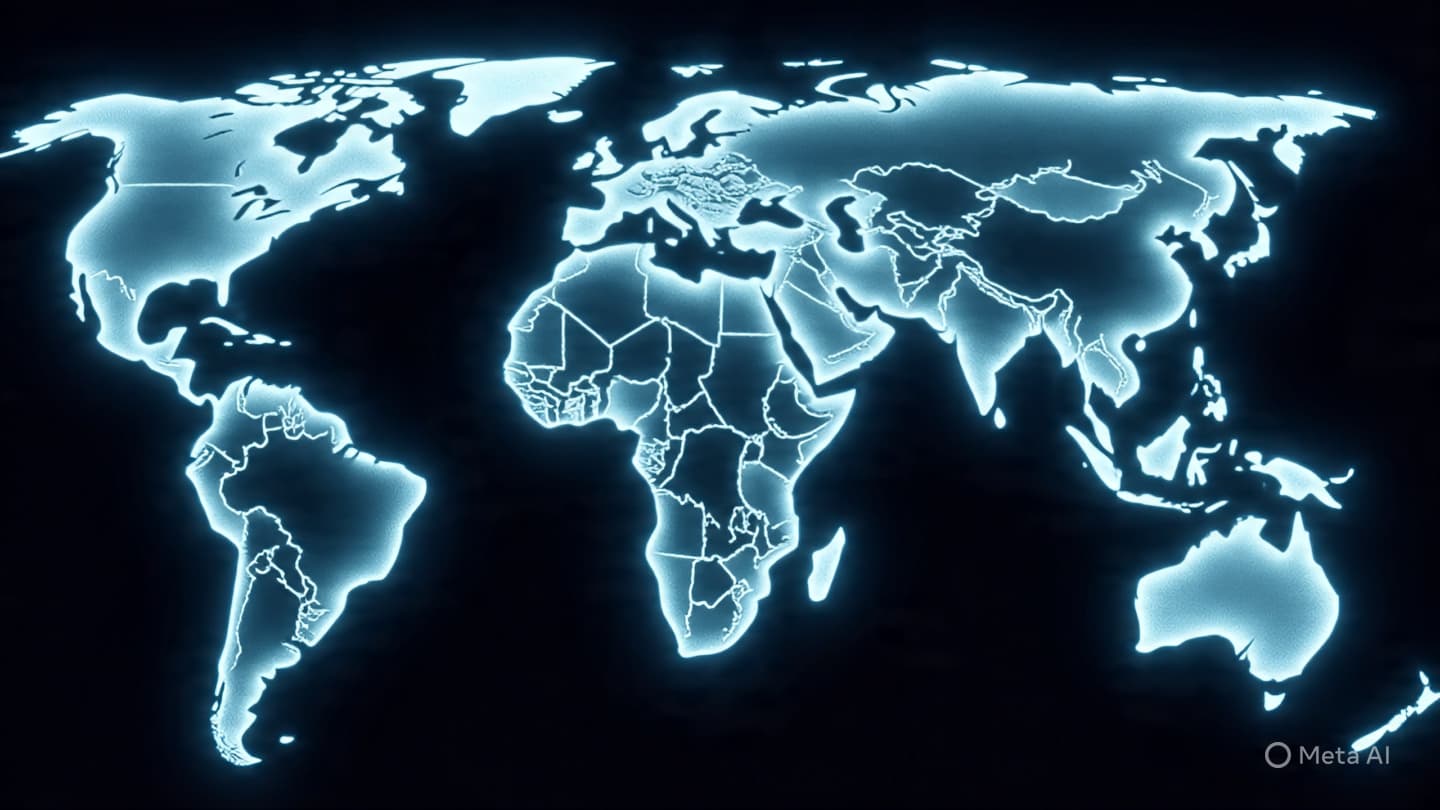
AI Image Disclaimer: Images accompanying this piece may be AI-generated to support general illustration of geopolitical themes.
Published by Banx Network. This article is part of the Banx decentralized media programme, powered by the BXE token on the XRP Ledger.



