

Key Highlights
- Major London music festival canceled due to Kanye West's visa denial.
- Government cites public safety concerns as reason for the decision.
- Fans express disappointment over lost opportunity for community celebration.
The anticipation before a music festival often builds into a palpable energy, a collective excitement that transcends mere sound. However, this year, that excitement has been abruptly halted in London, where organizers have announced the cancellation of a major music festival. The decision follows the government's refusal to grant entry to headline performer Kanye West, whose controversial public statements have led to significant backlash and scrutiny.
Officials have cited concerns regarding public safety and social cohesion as the basis for their decision, reflecting the government's authority to deny entry to individuals deemed not conducive to the public good. This move, while not unprecedented, raises important questions about the intersection of artistic expression and societal responsibility. The implications of such decisions can ripple through the cultural landscape, affecting not just the artists involved but also the audiences who look forward to these events.
For festival organizers, the absence of West as the headline act posed a significant challenge. Without the draw of a major star, the event's financial viability and overall structure were called into question. Ultimately, the organizers concluded that proceeding without West would not meet the expectations of attendees or justify the scale of the production, leading to the difficult decision to cancel the festival altogether.
Fans, many of whom had planned their attendance months in advance, were left disappointed. The festival was not just about the music; it was about the shared experience, the community that forms in the vibrant atmosphere of live performances. Now, instead of excitement, they face logistical concerns and the need to seek refunds, replacing what was meant to be a celebration of music and culture.
This situation highlights the increasingly complex relationship between artists and public platforms in today's society. In an age where offstage remarks can have as much impact as onstage performances, event organizers must navigate the reputational risks associated with their choices of headline acts. This case may serve as a cautionary tale for promoters, who might now weigh not only the artistic appeal of potential performers but also the controversies that could lead to similar disruptions.
Moreover, the cancellation has sparked a broader conversation about cultural gatekeeping. Who decides which voices are amplified and which are silenced? How do societies balance the need for openness with the responsibility to maintain public order? These questions are particularly relevant in a city like London, known for its rich cultural tapestry and vibrant artistic scene.
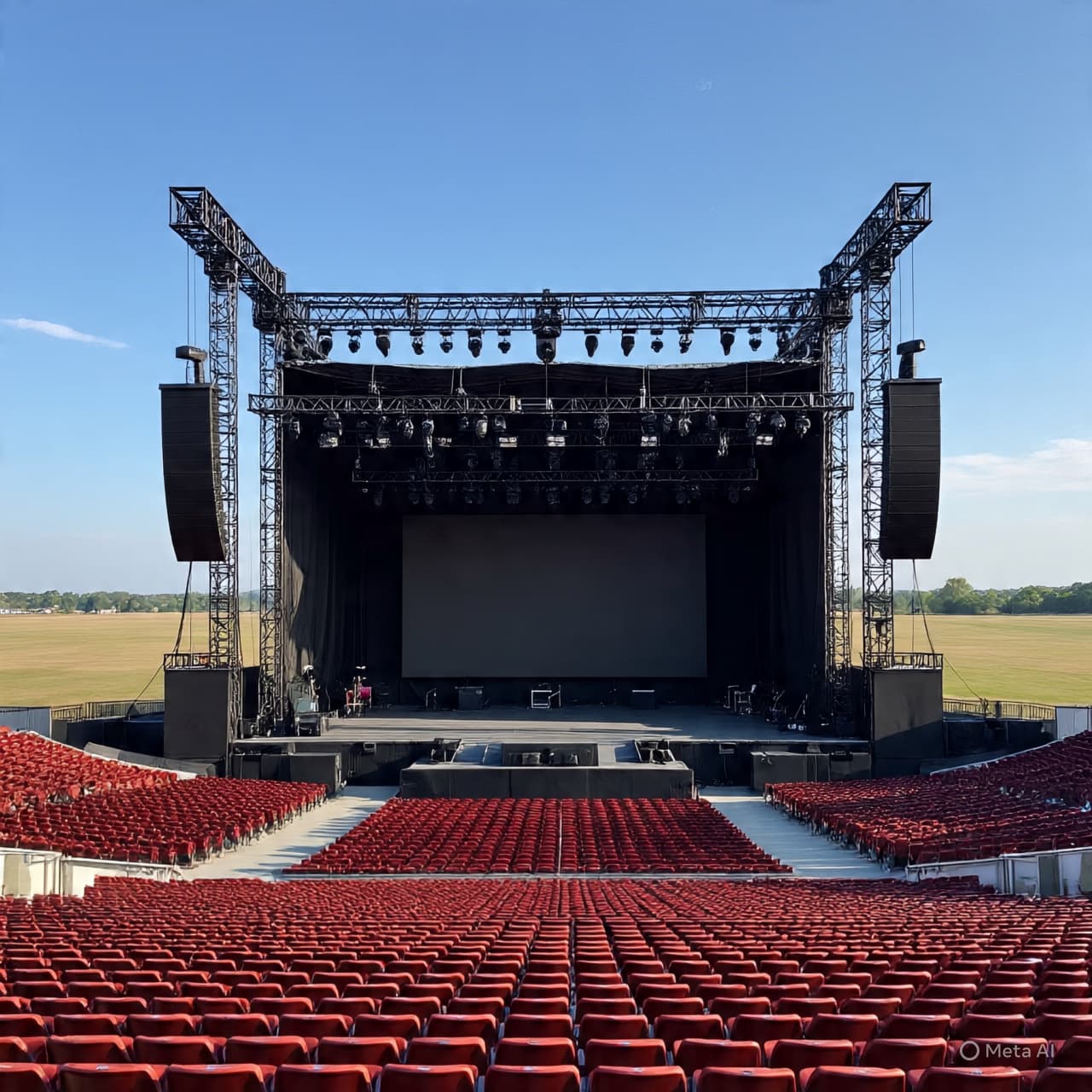
As the dust settles on this cancellation, it serves as a moment of reflection for the music community and beyond. The empty space left by the festival is not merely a void; it carries a message of its own—one that speaks in absence and invites contemplation on the evolving dynamics of art, responsibility, and public life. While this cancellation is a setback, it also opens the door for discussions about the future of artistic expression in an increasingly complex world.
Published by Banx Network. This article is part of the Banx decentralized media programme, powered by the BXE token on the XRP Ledger.




