

Key Highlights
- Strike Duration:Public transport in parts of Germany halted for three days.
- Union Involvement:The ver.di union demands higher wages amid inflation.
- Impact:Commuters face significant disruptions in major metropolitan areas.
Public transport serves as the lifeblood of urban mobility, with trains, buses, and trams facilitating the daily routines of millions. However, when this movement halts, the impact resonates deeply within the fabric of city life. Recently, parts of Germany experienced a significant disruption as public transport workers staged a three-day strike, a move that has drawn attention to the ongoing negotiations between labor unions and municipal employers regarding wages and working conditions.
The strike, which affected various modes of public transport including buses, trams, and subways, was organized by the ver.di union. This union represents a substantial number of public transport employees who have voiced concerns over their compensation in light of rising inflation and living costs. The union argues that the responsibilities of transport workers have increased, necessitating a reevaluation of their pay. In contrast, municipal employers cite budget constraints as a significant barrier to meeting these demands, highlighting the complex interplay between financial limitations and the need for fair labor practices.
As the strike unfolded, commuters in major cities faced significant challenges. Many were forced to seek alternative means of transportation, such as cycling or carpooling, while others adjusted their work schedules to accommodate the disruption. The strike's impact was particularly pronounced in urban centers where public transport is integral to daily commuting. Reports indicated lighter attendance in schools and businesses, as families navigated the challenges posed by limited mobility.
Despite the strike's intensity, airports and long-distance rail services largely remained unaffected, although travelers connecting to local transport networks experienced complications. This situation underscores the interconnectedness of various transportation systems and the ripple effects that labor disputes can have across different sectors.
Labor strikes in Germany's public sector are not uncommon, with collective bargaining playing a crucial role in shaping employment terms. The current strike occurs against a broader European backdrop of wage negotiations, where inflationary pressures have prompted similar actions in various sectors. While the negotiations between ver.di and municipal employers have been formal, both parties have indicated a willingness to continue dialogue, suggesting that a resolution may be on the horizon.
Observers have noted that public transport workers often operate behind the scenes, their roles defined by routine reliability. The strike has brought visibility to these essential workers, highlighting their contributions to urban life. Municipal officials have urged for continued negotiations, emphasizing the importance of restoring services promptly. Union representatives have characterized the strike as a necessary measure to emphasize their demands without prolonging disruption.
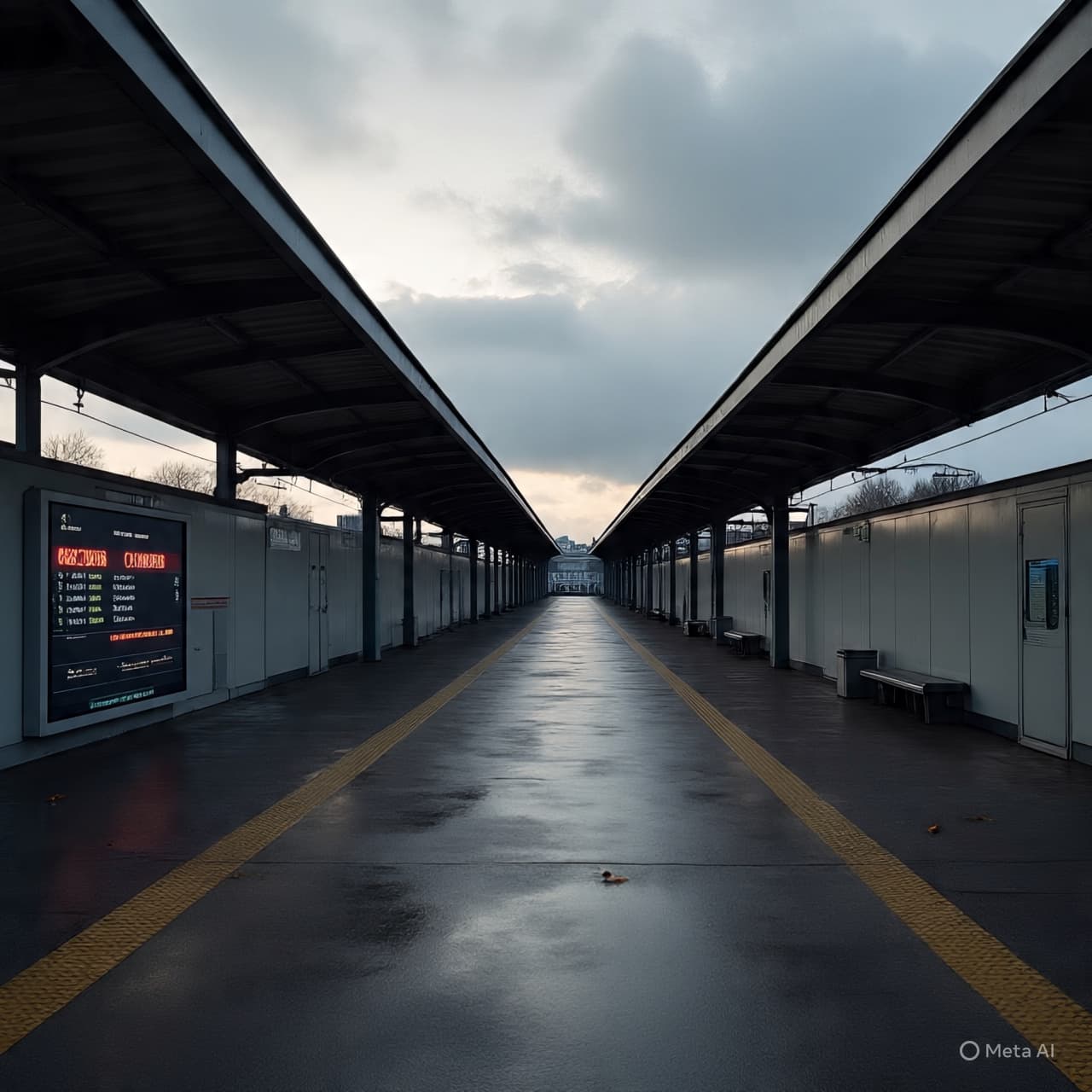
As the strike period comes to a close, attention shifts back to the negotiating table. Both commuters and city administrators are hopeful that discussions will resume with renewed focus, aiming for a resolution that addresses the concerns of transport workers while ensuring the continuity of essential services. The quieter stations and paused tramlines serve as a poignant reminder of the vital role public transportation plays in daily life, and the need for equitable labor practices in this essential sector.
Services are expected to gradually resume following the conclusion of the strike, pending further developments in the negotiations.
Published by Banx Network. This article is part of the Banx decentralized media programme, powered by the BXE token on the XRP Ledger.




