
Key Highlights
- Thousands protested during President Herzog's visit to Australia.
- The visit followed the tragic Bondi Beach massacre, igniting national grief.
- Clashes with police highlighted tensions over civil liberties and public safety.
In a poignant late summer scene, Sydney Harbour served as the backdrop for a state visit that was intended to foster healing but instead ignited a wave of public dissent. The arrival of Israel’s President, Isaac Herzog, was meant to symbolize empathy following the tragic Bondi Beach massacre, which claimed lives during a Hanukkah gathering. However, the event quickly transformed into a focal point for grief, protest, and a broader national conversation about accountability and justice.
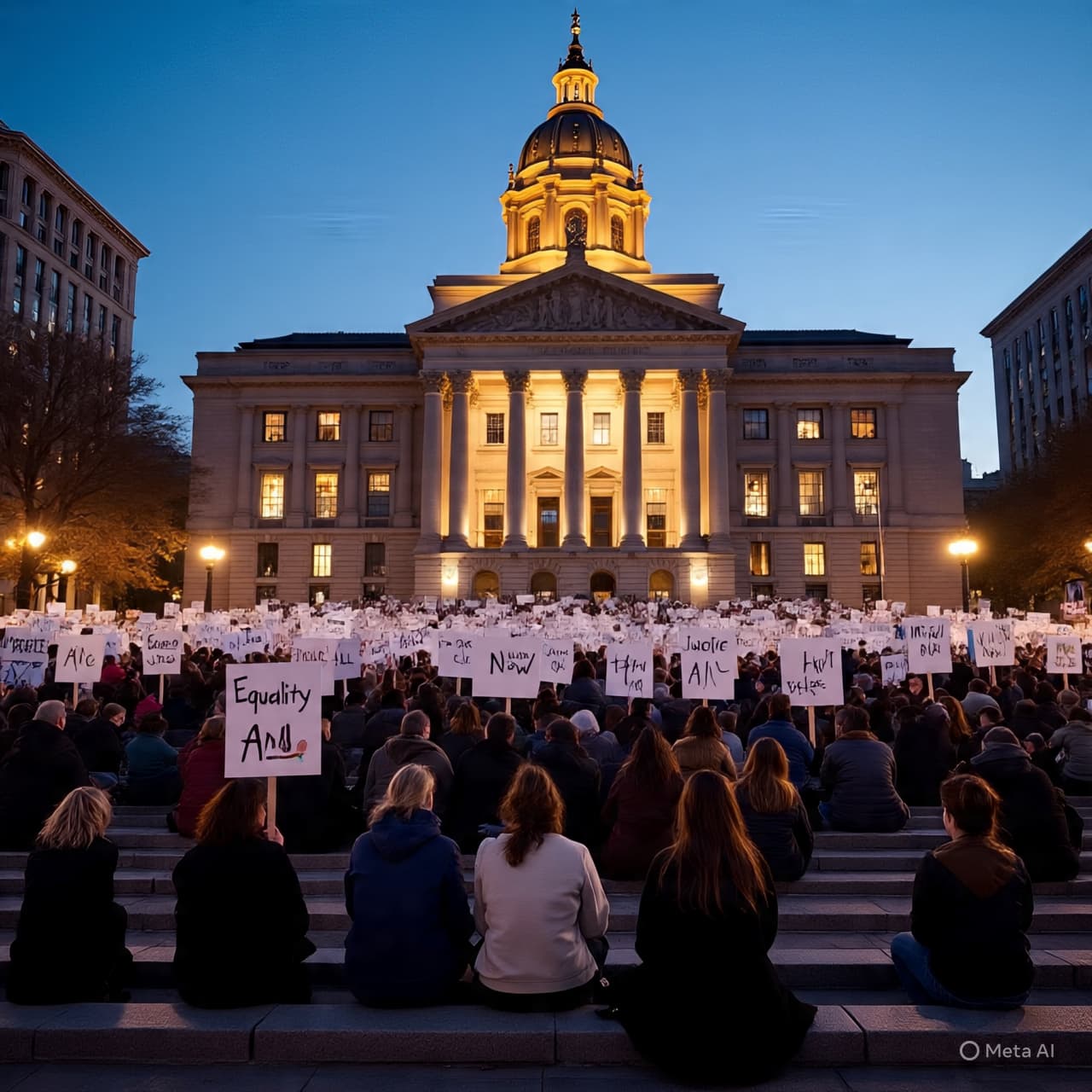
As Herzog arrived, thousands gathered in Sydney’s streets, some to mourn and others to voice their dissent. What began as a peaceful demonstration outside Town Hall escalated into clashes with police, resulting in the use of pepper spray and multiple arrests. The atmosphere was charged, with a 69-year-old woman hospitalized after a confrontation with law enforcement. This incident underscored the tension between the desire for peaceful protest and the realities of public order enforcement.
The Jewish community, in particular, felt the weight of Herzog's visit, viewing it as a gesture of solidarity amid their mourning. Yet, the visit also sparked significant debate about the appropriateness of such a diplomatic gesture in the wake of tragedy. Many questioned the implications of Herzog's presence, arguing that it could overshadow the urgent calls for justice and accountability that had arisen in the aftermath of the massacre.
Across Australia, from Sydney to Melbourne and Canberra, the public discourse reflected a nation grappling with its identity and values. Lawmakers and activists alike found themselves navigating a complex landscape of grief and dissent. While some national leaders called for calm, others expressed concerns about the wisdom of hosting Herzog during such a tumultuous time. The protests became a canvas for Australians to express their diverse opinions, revealing deep-seated tensions that resonate not only within the country but also in the global context of conflict and political responsibility.
In quieter moments, away from the protests, families and individuals reflected on their own experiences of grief and loss. For some, Herzog's visit was a moment of recognition and solace, while for others, it reopened wounds and highlighted the divisions within the nation. This duality of experience underscored the ongoing struggle for unity in a country marked by its diversity.
As the state visit continues, Australia finds itself at a crossroads, watching not only the formal proceedings but also the evolving narrative of civic engagement. The passionate voices from all sides are seeking acknowledgment and respect, contributing to a continuous dialogue about the nation’s values. In this moment of tension and reflection, Australia’s complex tapestry of mourning and protest is laid bare, revealing the ongoing conversation about identity, grief, and the quest for understanding in a diverse society.
Published by Banx Network. This article is part of the Banx decentralized media programme, powered by the BXE token on the XRP Ledger.



