(Opening) In the cool morning light over Pakistan’s cities, streets once bustling with everyday life took on an air of collective lament — a quiet that trembles on the brink of a shout. Grief, like a river breaking its banks, does not always flow gently; it can sweep up sorrow and shape it into something far harsher. When news spread of the death of a figure long etched into the consciousness of much of the Muslim world, Pakistan’s streets became a theater of emotion — raw, intense, and uncontrollable. Here, in crowds that swelled beyond orderly lines, the weight of distant news made itself felt as a palpable pulse in the air.
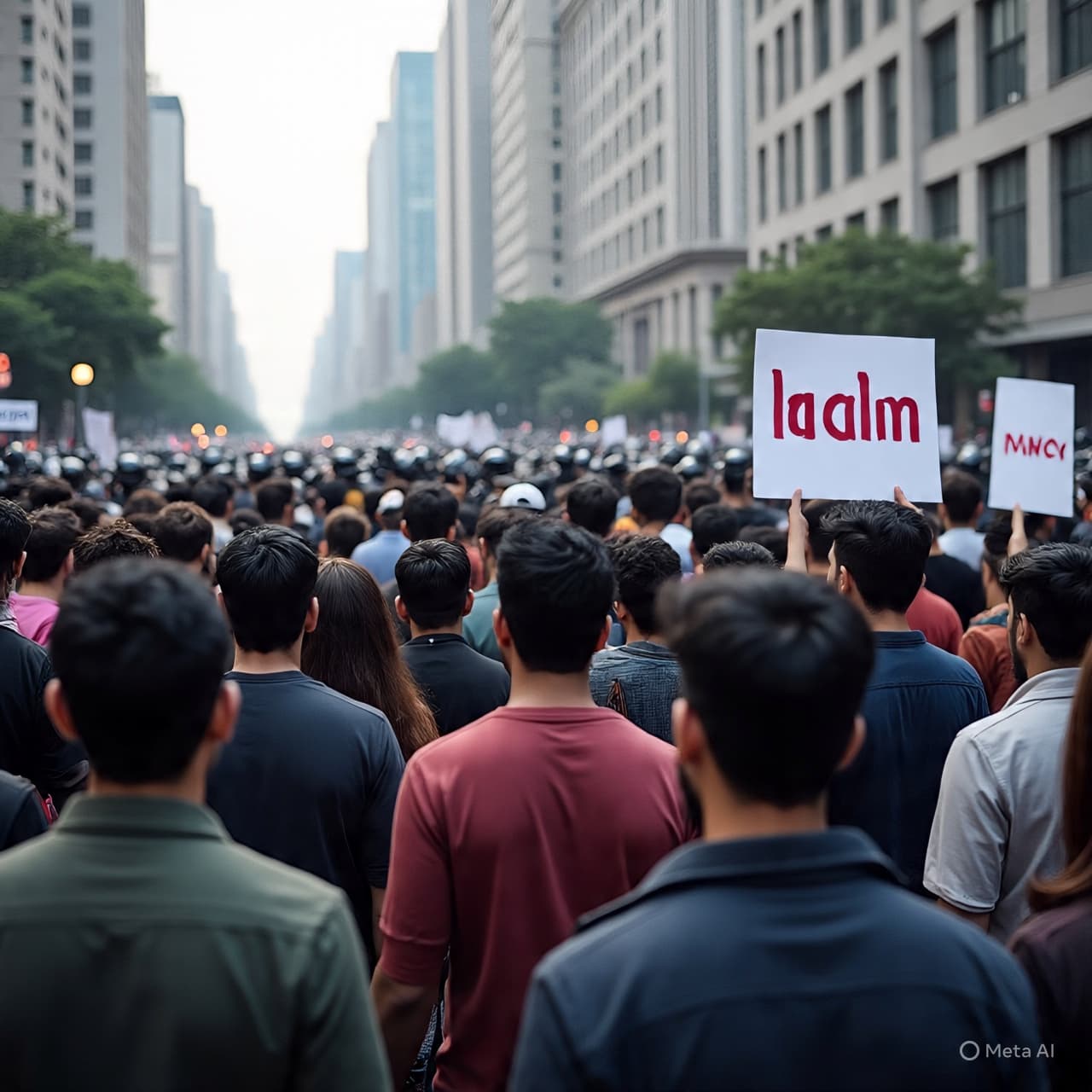
(Body) Across Pakistan’s major cities, thousands poured into public squares and avenues, carrying banners, chanting slogans and mourning what many viewed not only as a loss but as an affront. In Karachi, the country’s largest city, protesters moved toward the U.S. Consulate, their voices echoing against concrete and glass, driven by outrage at the joint military strikes by the United States and Israel that killed Iran’s Supreme Leader, Ayatollah Ali Khamenei. What began as a protest morphed into fierce confrontations with security forces. Authorities responded with tear gas, batons, and ultimately — as tensions escalated — gunfire. The toll of death quickly rose in a few short hours.
The unrest was not confined to Karachi alone. In northern Gilgit-Baltistan and the capital Islamabad, protestors clashed with law enforcement and set fire to government offices. By late Sunday, the grim count across Pakistan had climbed into the dozens, with scores more injured. Such scenes of burning tires, shattered glass, and anguished cries were repeated in several districts as crowds sought to voice their pain and anger.
Inside the halls of power, Pakistan’s political leadership tried to navigate a delicate balance — expressing sorrow over the death of a foreign leader whose presence had long been intertwined with regional politics, while also urging citizens to keep their demonstrations peaceful. Appeals for calm were met with the thunder of thousands of footsteps, for emotion, once stoked, does not easily retreat.
For many in Pakistan, the violence was more than a political statement — it was a visceral reaction rooted in historical ties, religious sympathy, and long-standing geopolitical dynamics. Others urged restraint, reminding that grief need not always be measured in broken glass and bodies on pavement. Yet the scenes of anger and mourning laid bare the deep currents that connect local streets to distant battlegrounds.
(Closing) By nightfall, the echoes of protests lingered in the air — a solemn reminder that regional turmoil does not respect national borders. Casualty figures continued to be updated, appeals for restraint continued from officials, and investigations into the clashes were underway. As the nation grappled with its grief and fury, the world watched how one event thousands of miles away could reshape the mood of a country. In the quiet that follows such turbulence, communities ponder the fragility of peace and the cost of collective grief.
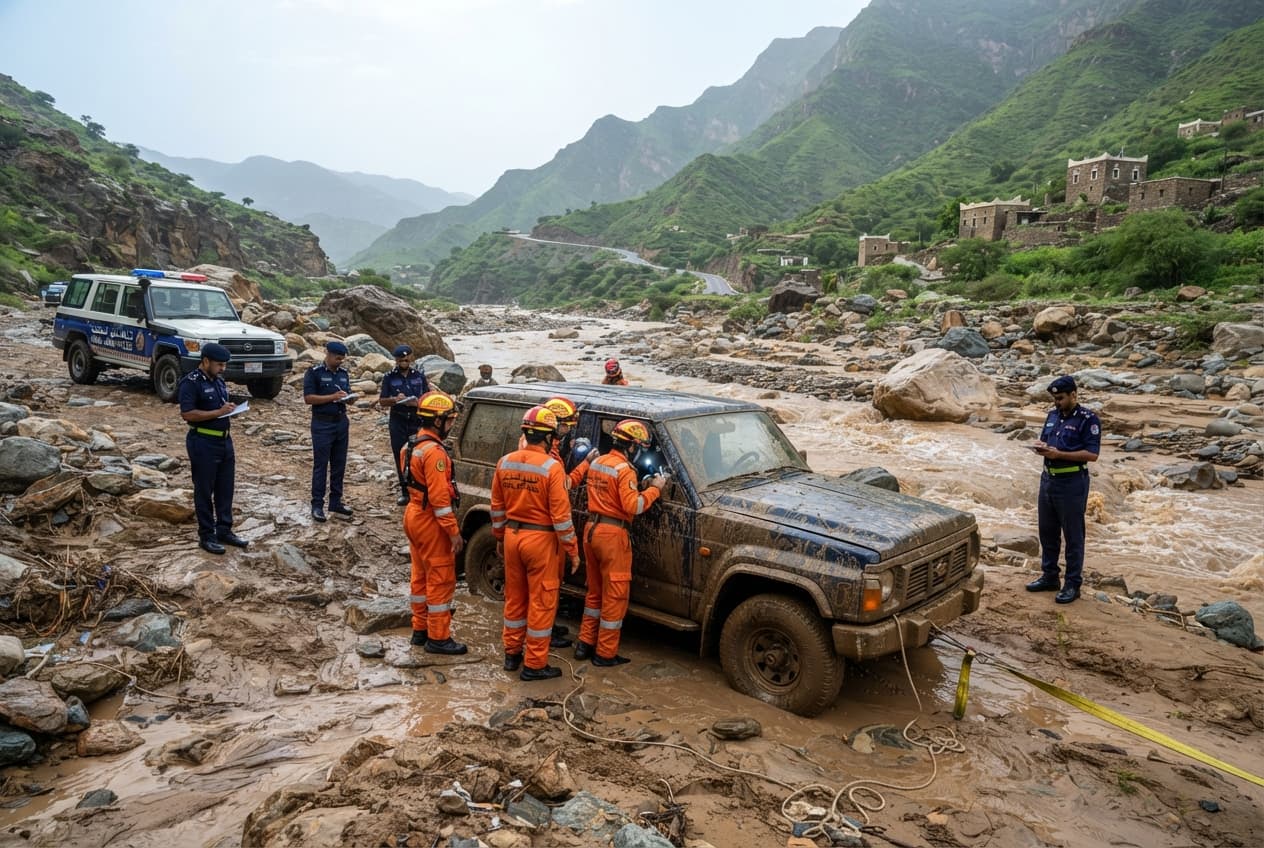
AI Image Disclaimer “Visuals are created with AI tools and are not real photographs.”
Sources Associated Press, The Guardian, Reuters.
Published by Banx Network. This article is part of the Banx decentralized media programme, powered by the BXE token on the XRP Ledger.