

Key Highlights
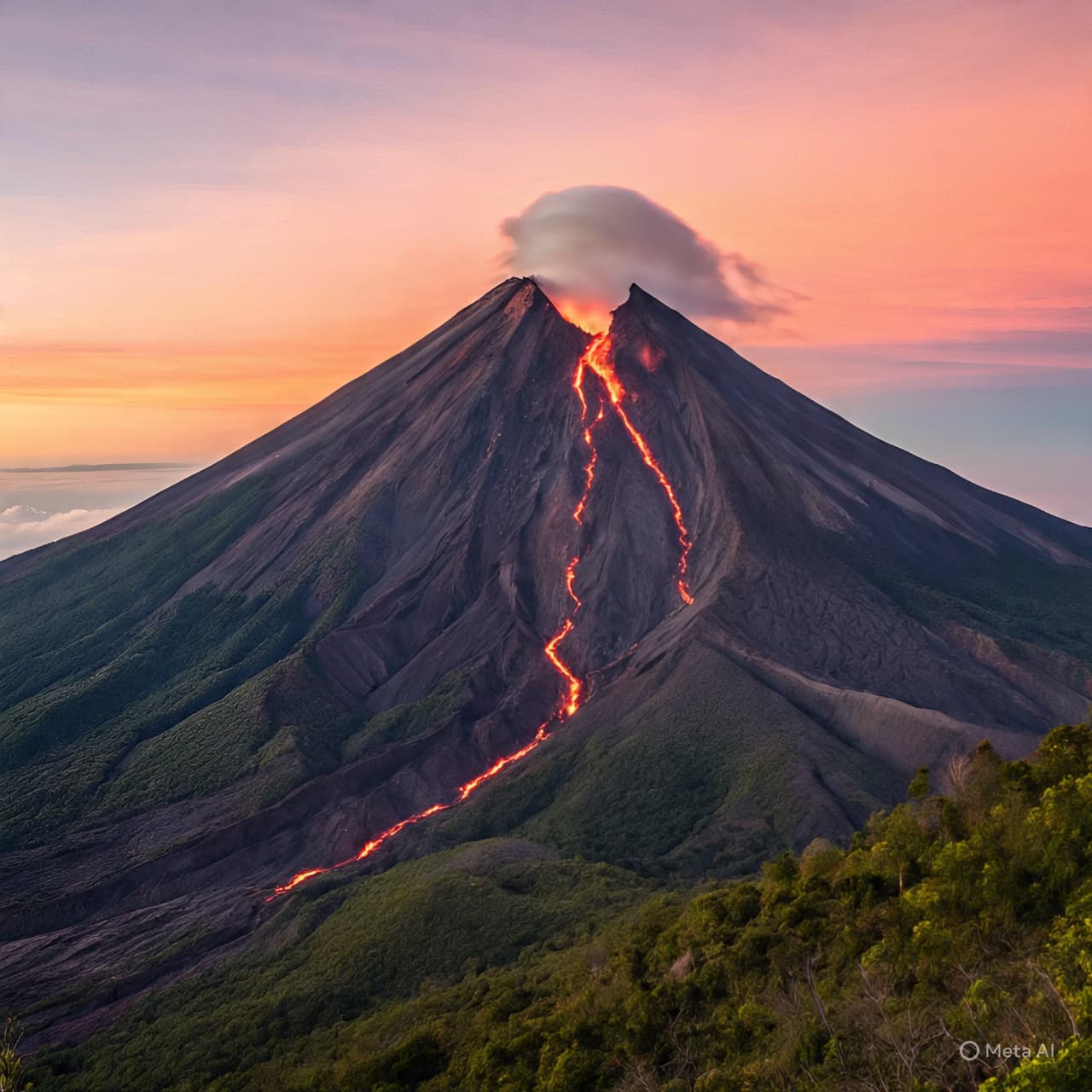
- Mayon Volcano in the Philippines shows increased lava effusion and intermittent eruptions.
- Guatemala's Volcán de Fuego experiences intensified explosive activity, nearing ten eruptions per hour.
- Authorities in both regions maintain alert levels and safety advisories for nearby communities.
Recent volcanic activity has captured the attention of scientists and residents alike, particularly in the Philippines and Guatemala. Mayon Volcano, known for its perfect cone shape and frequent eruptions, has been exhibiting a notable increase in activity. Recent observations indicate that lava is slowly flowing down its slopes, accompanied by sporadic Strombolian eruptions that illuminate the summit. While these eruptions are visually captivating, they remain largely confined to the upper regions of the volcano, serving as a reminder that volcanic activity can be both beautiful and dangerous.
In contrast, Guatemala's Volcán de Fuego is currently experiencing a more intense phase of activity. Reports from monitoring agencies indicate that the volcano is erupting at a rate of nearly ten explosions per hour. Each eruption releases ash and gas into the atmosphere, creating a constant reminder of the geological forces at play beneath the surface. For local residents and authorities, this heightened activity necessitates vigilance and preparedness, as the potential for more significant eruptions looms.
Volcanologists emphasize that the behaviors observed in both Mayon and Fuego align with established patterns of volcanic activity. The release of gas, lava effusion, and explosive bursts are all part of the natural processes through which these mountains expel energy. The challenge for scientists lies not in predicting the exact timing of eruptions, but in understanding the broader trends of volcanic behavior — how frequently these mountains exhale, how intensely they glow, and how consistently they communicate their restlessness.
Life in the shadow of active volcanoes involves a delicate balance between coexistence and caution. Farmers continue to cultivate their fields under the watchful gaze of these giants, while evacuation plans remain in place, ready for implementation if necessary. Monitoring instruments work tirelessly to track changes in volcanic activity, providing critical data to authorities and residents alike. The mountains serve not only as potential threats but also as powerful reminders of the Earth's dynamic nature.
In response to the ongoing activity, authorities in both the Philippines and Guatemala are closely monitoring the situation. Alert levels are being reviewed regularly, and exclusion zones have been established to ensure the safety of nearby communities. Officials are urging residents to stay informed through official channels, emphasizing the importance of preparedness in the face of natural hazards.
As the situation develops, the focus remains on ensuring the safety of those living in proximity to these active volcanoes. The interplay between nature's power and human resilience continues to shape the narrative of life around Mayon and Fuego, where the mountains speak in fire and the community listens closely.
Published by Banx Network. This article is part of the Banx decentralized media programme, powered by the BXE token on the XRP Ledger.




