
Key Highlights
- Prime Minister Andy Burnham convenes his Cabinet to address rising living costs.
- New policy aims to remove VAT from domestic electricity bills starting in October.
- Opposition raises concerns about the sustainability of the funding model.
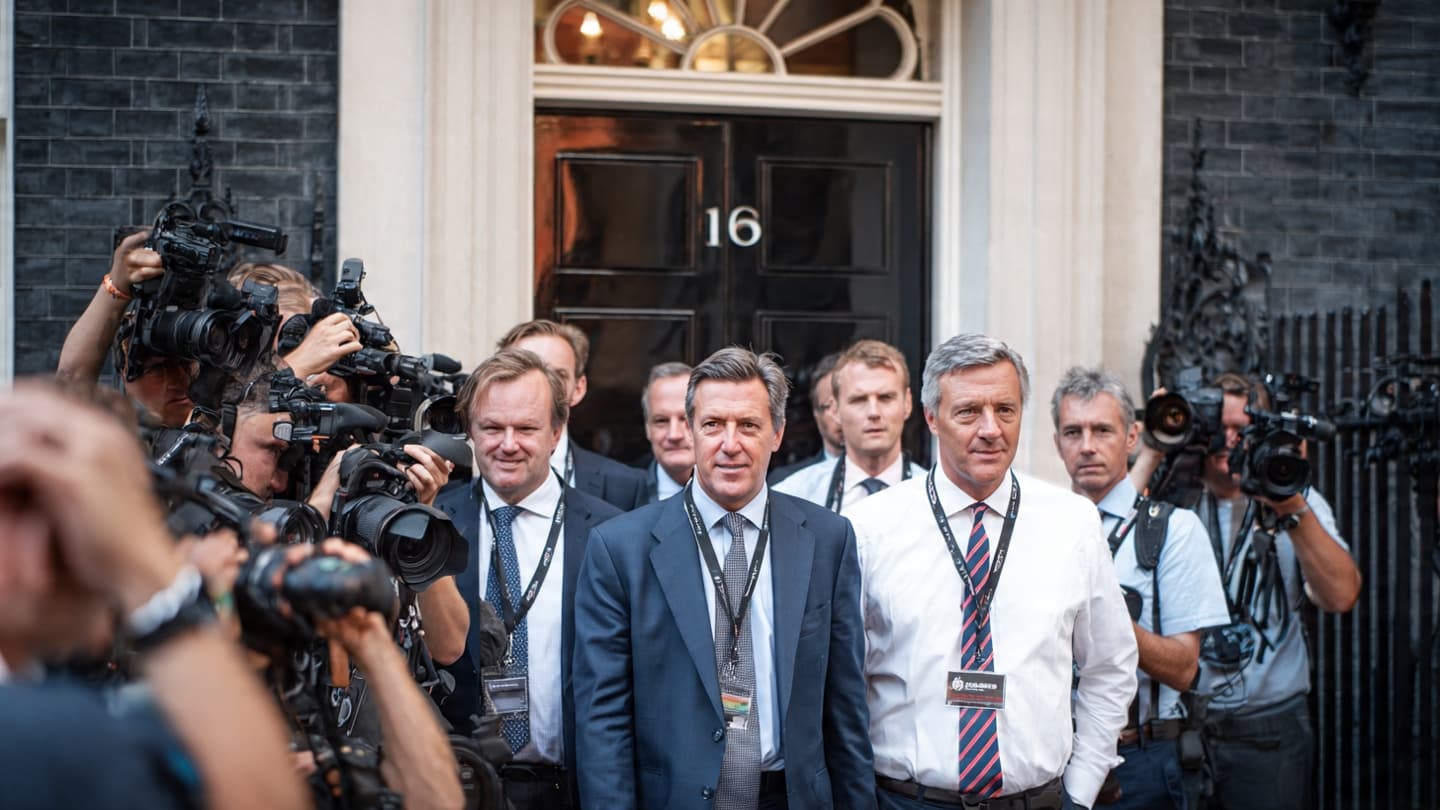
Prime Minister Andy Burnham's first Cabinet meeting at 10 Downing Street marked a significant moment in the UK government's approach to the ongoing cost of living crisis. As commuters filled the streets of London and families prepared for another day, Burnham emphasized that addressing the financial pressures faced by households would be the defining priority of his administration. He described his government as a "cost-of-living government," urging ministers to focus on delivering policies that would instill confidence in the public regarding financial relief.
The meeting followed Burnham's announcement of a key policy initiative: the removal of value-added tax (VAT) from domestic electricity bills, set to take effect in October. This measure is projected to alleviate annual energy costs for households, with the government planning to fund it by canceling the previous administration's proposed national digital identification program. This immediate step is intended to provide some relief to families grappling with persistent living expenses amid a challenging economic landscape.
However, the proposal has sparked debate among opposition figures and economists, who question whether the anticipated savings will be sufficient to ease the financial burden on households. Critics also express concerns about the sustainability of the funding model, prompting Burnham to reaffirm his commitment to maintaining fiscal responsibility while supporting families. He emphasized that any assistance provided would be pursued alongside responsible public finance management.
For many Britons, the conversation surrounding the cost of living extends beyond energy bills. It encompasses a broader spectrum of financial challenges, including housing costs, transportation expenses, and rising food prices. Although inflation has moderated compared to previous highs, many families continue to adjust their spending habits in response to years of elevated living costs. The government's focus on affordability reflects the ongoing concerns of citizens navigating these economic realities.
Burnham's Cabinet also signifies a new political chapter for the Labour Party, with several senior ministers from former Prime Minister Keir Starmer's administration being replaced. Burnham has assembled a team that aligns with his priorities and governing philosophy. During the meeting, he encouraged ministers to collaborate effectively, emphasizing the importance of unity as they begin to implement their domestic agenda.
Looking ahead, ministers are expected to develop comprehensive proposals addressing various aspects of public life, including housing, transportation, and public services, as well as strategies for long-term economic growth. Government officials have indicated that additional initiatives will be unveiled later in the year, forming part of a broader strategy aimed at improving living standards while ensuring fiscal discipline.
While political discussions often unfold in formal settings, their true impact is felt in everyday life—at supermarkets, train stations, and family kitchens where public policy intersects with personal experience. The effectiveness of today's commitments will ultimately be measured not only in parliamentary debates but also in the daily routines of citizens seeking affordable energy, stable finances, and a less burdensome existence in the months to come.
As the evening descends over Westminster, the Cabinet's first meeting becomes a pivotal chapter in the ongoing narrative of British politics. The discussions held behind the closed doors of Downing Street will ripple outward, shaping the expectations of communities across the country as they look for practical solutions to their financial challenges.
Published by Banx Network. This article is part of the Banx decentralized media programme, powered by the BXE token on the XRP Ledger.



