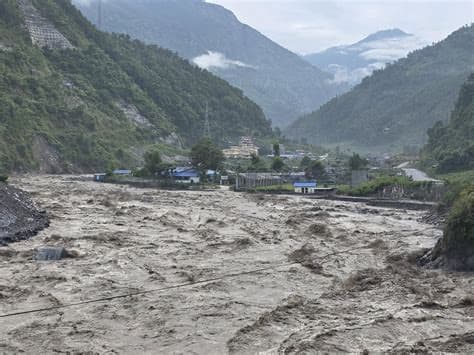
In the early morning light over southern Iran, the quiet streets of Minab held the simple rhythm of everyday life: families walking children to school, vendors setting out their wares, and teachers greeting young pupils. In that gentle prelude to a new day, the future seemed as open and bright as the horizon. But in an instant, that quiet was shattered, not by the ordinary clatter of life, but by blasts that altered the skyline and sent tremors through homes and hearts alike.
The target was a girls’ elementary school in Minab, nestled in Hormozgan province near the expanse of sea and sky that meets the Strait of Hormuz. On February 28, amid a broader wave of joint U.S. and Israeli military strikes on Iranian territory, missiles hit the Shajareh Tayyebeh school while dozens of students and teachers were inside. Iranian judicial authorities said at least 85 people — primarily young girls — were killed and dozens more wounded as debris and dust filled what moments earlier had been classroom corridors echoing with laughter and learning.
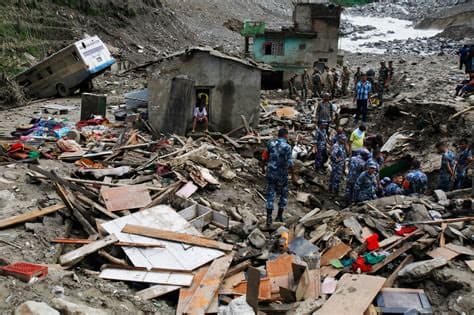
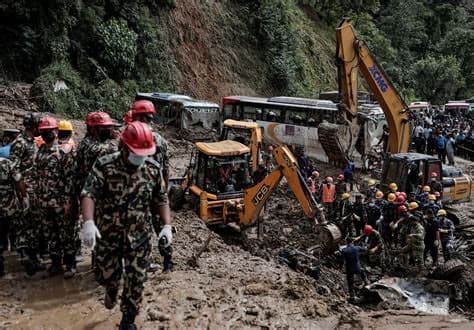
The attack came during a coordinated offensive that also struck multiple sites across Iran’s cities and provinces, intensifying a conflict whose roots stretch back years. State media reported that rescue workers combed through the wreckage, aided by emergency crews pulling children and adults alike from beneath collapsed walls — a grim scene that underscored the devastating human toll of modern warfare.
Officials in Tehran condemned the strike, describing it as a blatant crime against civilians and calling for international intervention. Iran’s Foreign Ministry and judiciary voiced sorrow and outrage, asserting that the deaths of schoolchildren would not be forgotten and urging global bodies to respond. Such statements reflected the emotional weight of the moment, as parents mourned their daughters and communities grappled with loss.
Meanwhile, U.S. and Israeli authorities have not confirmed independent details of the school strike, though U.S. Central Command acknowledged awareness of civilian casualty reports and said investigations were underway in response to them. In wider conflict zones, both countries stated that their operations are intended to degrade military capabilities, even as concerns grew internationally about the impact on non-combatants.
In addition to Minab, Iranian media sources reported another strike on a school near Tehran, resulting in additional casualties. Together, these incidents amplified fears about the reach of the campaign and raised questions about the protection of children and civilians in times of war.
As news of the attacks spread across the region, roads filled with people seeking shelter and loved ones checking on one another, the ordinary day was forever marked by extraordinary sorrow. In towns far from the school grounds, citizens spoke quietly of grief and disbelief, trying to reconcile the routines of life with the abruptness of tragedy.
Beyond the heartbreak, the events ignited debate in capitals worldwide about strategy, humanitarian law, and the conduct of armed forces in densely populated regions. Nations called for calm, urged de-escalation, and appealed for efforts to protect civilians caught between geopolitical strife.
In the end, the echoes of Minab’s devastation serve as a somber reminder of the fragility of peace and the profound cost of conflict — particularly for the youngest members of any society. As emergency operations continue and families contend with loss, the focus turns toward healing and the pursuit of steps that might spare others from similar pain.
AI Image Disclaimer (rotated wording) “Visuals are created with AI tools and are not real photographs.”
Sources Checked (credible mainstream / reputable)
Financial Times Reuters (confirmed via secondary reporting) Associated Press / AP News The Guardian TBS News / aggregated reporting
Published by Banx Network. This article is part of the Banx decentralized media programme, powered by the BXE token on the XRP Ledger.