
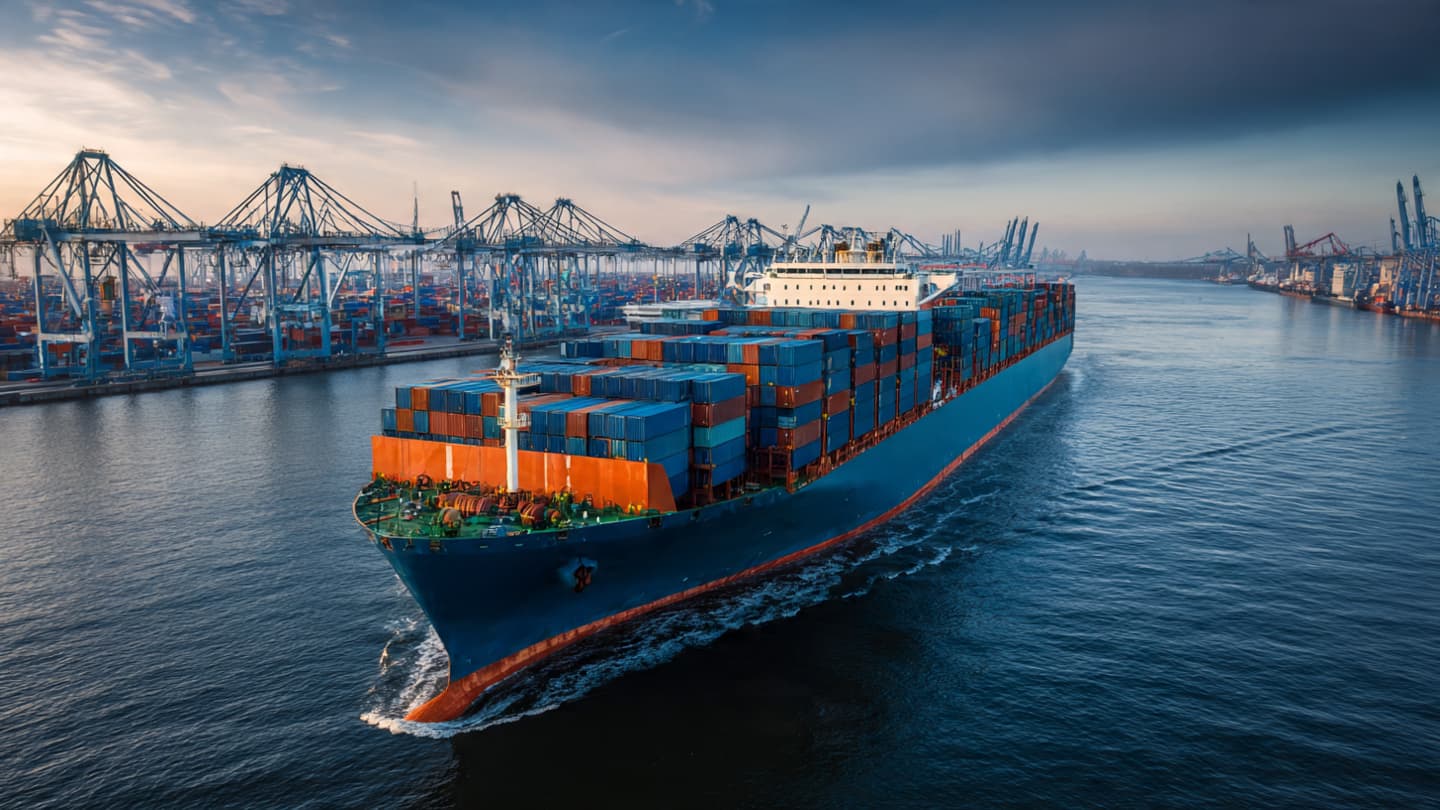
Key Highlights
- Increased shipping activity indicates a resilient global economy.
- Ports and terminals report higher cargo volumes, reflecting stronger demand.
- Digital transformation in shipping enhances operational efficiency.
The movement of ships across oceans has long served as a measure of economic vitality. Ports, cargo terminals, and maritime routes connect producers and consumers across continents, supporting a global exchange of goods that touches nearly every industry. Recent reports from the shipping sector indicate improving trade activity, providing a positive signal for businesses and investors monitoring the health of the world economy.
Shipping companies have reported increased cargo volumes across several major trade corridors. Rising demand for transportation services suggests that commercial activity remains resilient despite ongoing economic uncertainties. For many market observers, stronger shipping activity is viewed as an encouraging indicator of broader economic momentum. This uptick in shipping is particularly significant as it often precedes broader economic trends, making it a key focus for analysts and investors alike.
International trade depends heavily on efficient maritime logistics. From raw materials and industrial equipment to consumer products and agricultural goods, countless items travel through global shipping networks before reaching their destinations. Improvements in cargo movement can therefore influence supply chains worldwide. The interconnected nature of global trade means that any increase in shipping activity can have ripple effects across various sectors, enhancing overall economic performance.
Port operators have also observed increased activity in several regions. Higher container volumes often reflect stronger business demand and greater commercial confidence. As trade flows expand, logistics providers continue investing in infrastructure and technology to improve operational efficiency. This investment is crucial as it not only supports current demand but also prepares the industry for future growth, ensuring that ports can handle increased volumes without compromising service quality.
Digital transformation is playing a growing role within the maritime sector. Shipping companies are adopting advanced tracking systems, automation technologies, and data analytics tools to optimize routes and reduce operational costs. These innovations help improve reliability while supporting sustainability objectives. As the industry moves towards greener practices, the integration of technology becomes essential in minimizing environmental impacts while maximizing efficiency.
Businesses across manufacturing, retail, and distribution sectors stand to benefit from stronger logistics performance. Reliable transportation networks allow companies to manage inventories more effectively and respond more quickly to customer demand. This agility is particularly important in today's fast-paced market, where consumer preferences can shift rapidly, necessitating a responsive supply chain.
Financial markets frequently monitor shipping activity as an economic indicator. Increased cargo movement can signal healthy commercial conditions and stronger business confidence. Investors often view such trends as supportive of broader economic growth prospects. The correlation between shipping activity and economic performance makes it a critical area of focus for those looking to gauge future market conditions.
Industry experts emphasize that global trade remains influenced by numerous factors, including consumer demand, infrastructure capacity, and international economic conditions. Nevertheless, the recent improvement in shipping activity has contributed to a more optimistic outlook within the logistics sector. As vessels continue transporting goods across the world's oceans, the shipping industry remains a vital link connecting economies and communities. The latest signs of increased activity suggest that global commerce continues to adapt and evolve, supporting opportunities for growth across multiple regions and industries.
Published by Banx Network. This article is part of the Banx decentralized media programme, powered by the BXE token on the XRP Ledger.



