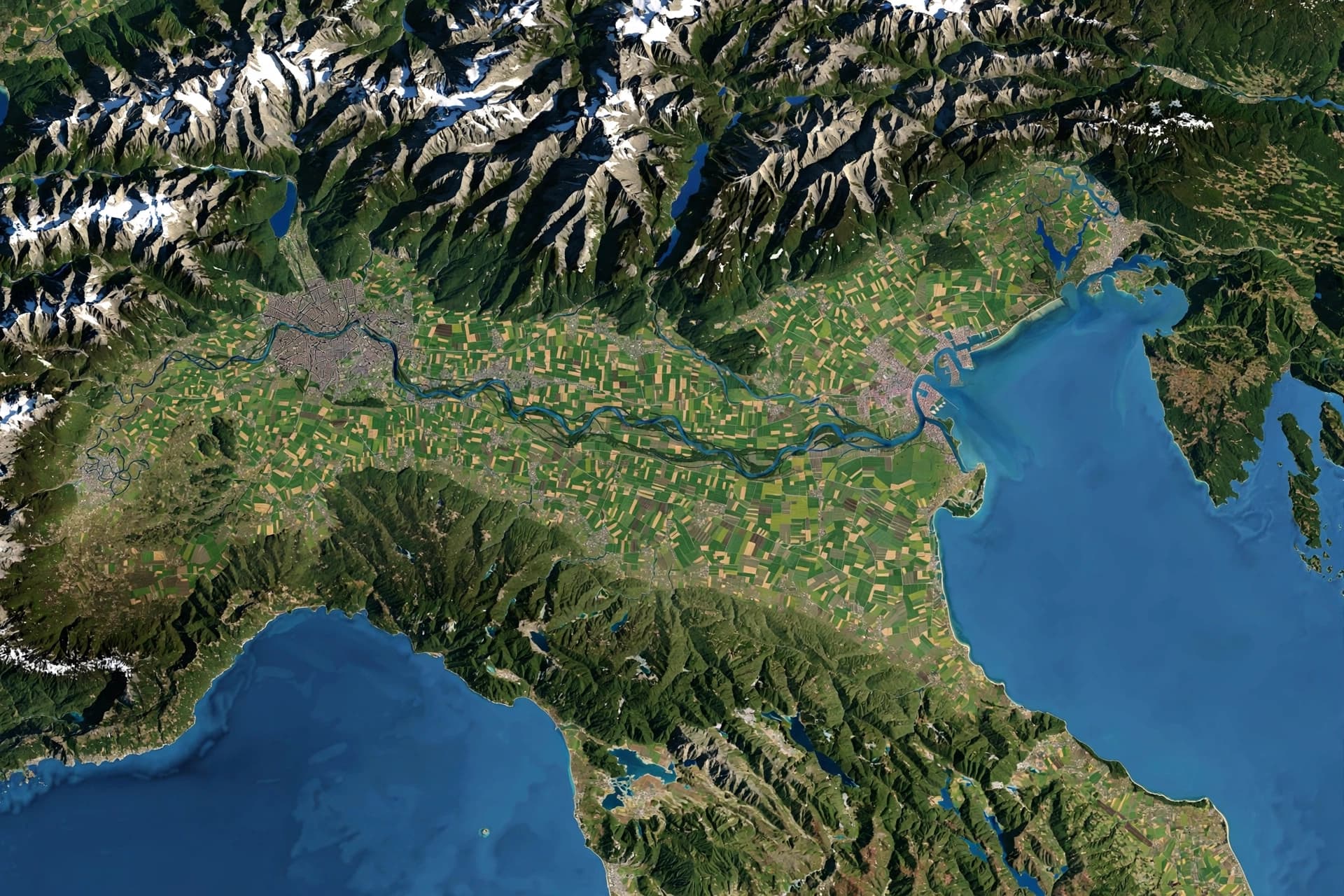
In the vast quiet of the northern forests, where spruce and pine stand like patient sentinels beneath pale skies, change rarely announces itself with drama. It moves instead in increments — in a longer growing season, in a thinner frost, in a subtle shift within the soil. The boreal forest, stretching across continents in a green arc, has long been regarded as one of Earth’s great carbon guardians. Yet even guardians depend on delicate balances below their roots.
Recent research suggests that rising atmospheric carbon dioxide may be quietly altering one of those balances. Elevated CO₂ levels, while capable of stimulating plant growth under certain conditions, appear to reduce nitrogen availability in boreal forest ecosystems. The finding complicates a once straightforward assumption: that more carbon in the air would simply translate into more vigorous forest growth.
Nitrogen is a cornerstone nutrient for plants. It supports the formation of proteins, chlorophyll, and the enzymes necessary for photosynthesis. In the cool soils of boreal regions, nitrogen is often limited, tightly cycled between plant roots, microbes, and decomposing organic matter. When atmospheric CO₂ rises, trees may initially increase photosynthesis — a phenomenon sometimes described as a fertilization effect. But growth cannot continue without adequate nitrogen to sustain it.
Scientists have observed that elevated CO₂ can shift how plants and soil microbes interact. Faster growth may increase demand for nitrogen, while changes in microbial activity can slow the release of usable nitrogen from organic matter. Over time, this imbalance may reduce the amount of accessible nitrogen in the soil, constraining the very growth that additional CO₂ might otherwise promote.
The boreal forest, spanning regions of and and reaching deep into , plays a significant role in the global carbon cycle. Its trees and soils store immense quantities of carbon accumulated over centuries. If nitrogen limitations curb the forest’s ability to absorb additional carbon, the implications ripple outward — influencing climate projections and ecosystem resilience.
Researchers emphasize that the process is gradual and complex. Climate, soil composition, species diversity, and microbial communities all shape how forests respond to atmospheric change. In some regions, warming temperatures may further accelerate decomposition, altering nutrient cycles in unpredictable ways. The interaction between carbon and nitrogen is not a single-threaded story, but a woven system of feedbacks.
The findings underscore a broader theme in climate science: ecosystems respond to rising greenhouse gases in layered and sometimes counterintuitive ways. More CO₂ does not automatically guarantee stronger carbon sinks. Nutrient availability, water supply, and ecological relationships define the outcome.
Still, boreal forests remain vital components of Earth’s climate system. Understanding how rising CO₂ influences nitrogen cycling helps refine global models and inform conservation strategies. It invites a closer look beneath the canopy — to the soil organisms and nutrient flows that quietly sustain the forest above.
In straightforward terms, new research indicates that increasing atmospheric CO₂ levels may reduce nitrogen availability in boreal forests, potentially limiting their long-term capacity to absorb additional carbon. Scientists continue to study the interaction to improve climate forecasts and ecosystem management strategies.
AI Image Disclaimer Illustrations were produced with AI and serve as conceptual depictions.
Sources (Media Names Only)
Nature Science The Guardian Reuters Carbon Brief
Published by Banx Network. This article is part of the Banx decentralized media programme, powered by the BXE token on the XRP Ledger.