In the soft hush of lunar dust — a surface untouched by wind and rain, penned into history by impact after impact — scientists have found new clues about Earth’s most precious and ubiquitous treasure: water. For decades, researchers have explored competing ideas about how our blue planet came to host its vast oceans. Among the leading theories was one that painted early Earth as a magnet for water‑bearing meteorites, tiny delivery vessels ferrying life’s essential ingredient from afar. But recent findings from NASA’s analysis of Apollo lunar soil are calling that story into question, hinting at a quieter narrative written in the Moon’s enduring regolith.
Unlike Earth, whose surface is constantly reshaped by continents drifting, oceans stirring and weather wearing rock away, the Moon preserves an ancient tapestry of impacts. Apollo samples, collected more than half a century ago but now studied with today’s finer tools, hold fragments of that cosmic record. Using a novel approach focusing on triple oxygen isotopes — stable fingerprints that survive even the heat and violence of impacts — scientists led by Tony Gargano at NASA’s Johnson Space Center have teased apart the intertwined history of lunar dust and the rocks that struck it.
This isotopic technique goes beyond traditional methods, which often rely on elements that can be muddied by repeated impacts and melting. Instead, oxygen — the dominant element in most rocks — remains remarkably stable through those tumultuous events. By measuring subtle differences among three of its isotopes, researchers could isolate the contribution of carbon‑rich meteorites that had struck the Moon over billions of years.
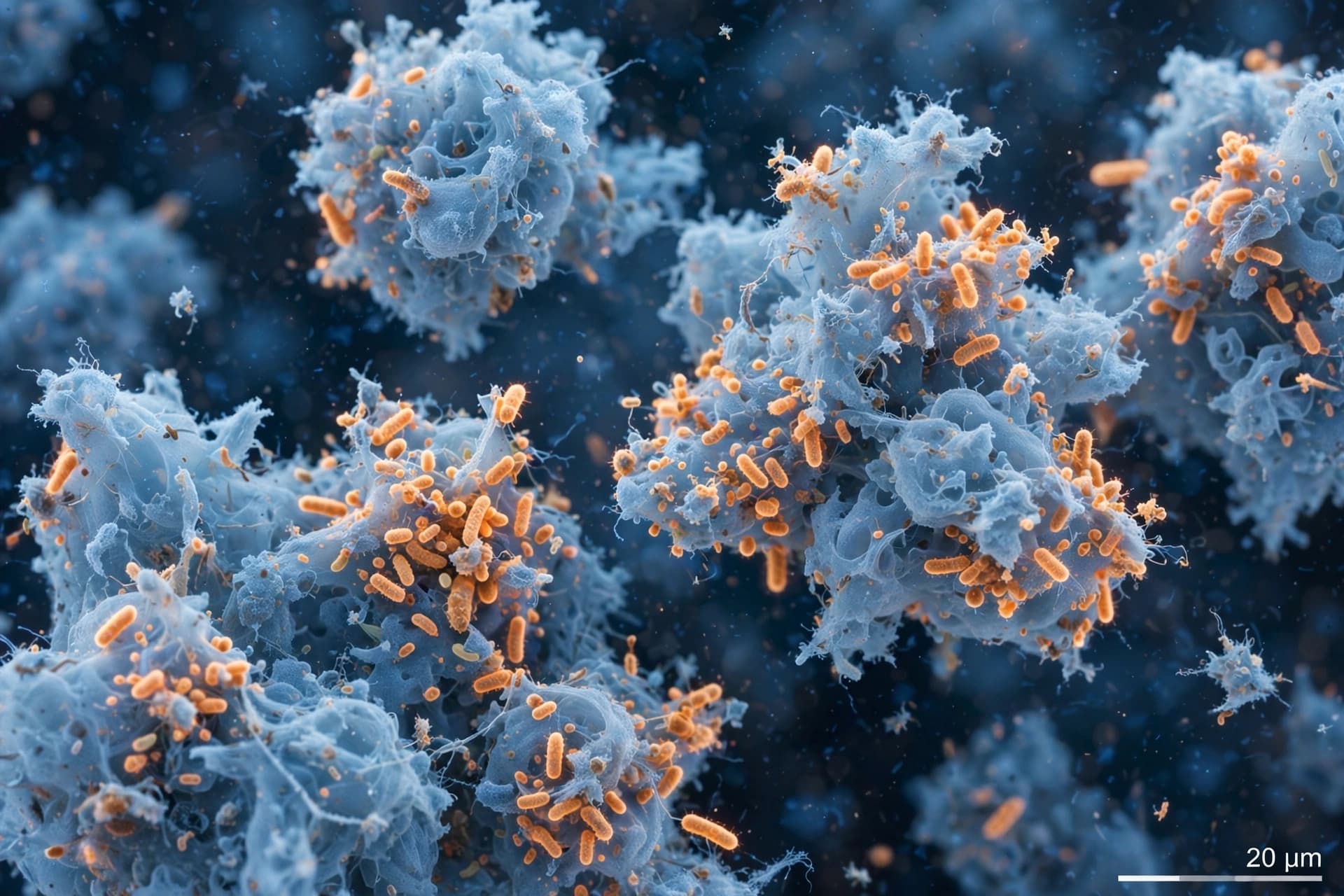
Their results reveal something striking: even under generous assumptions, material from these meteorites — extrapolated to the much more impact‑rich history of Earth — could only have supplied a small fraction of the water in our oceans. While water‑rich meteorites have undoubtedly contributed some hydrogen‑bearing material to Earth’s surface over geological time, the cumulative amount just doesn’t add up to the volume we see today. That insight complicates the traditional view that late‑stage bombardment by wet space rocks was the main source of Earth’s water.
As one co‑author on the study explained, the conclusion isn’t that meteorites delivered no water at all, but rather that their contribution via impacts — even when scaled up to account for Earth’s greater gravitational pull — was likely only a tiny slice of the total. This finding nudges the scientific community toward other explanations, such as the idea that Earth’s water may have been inherent in the planet’s building blocks or delivered very early in its formation history.
The Moon itself still holds its own reservoirs of water, mostly locked in cold traps near its poles and in mineral grains that retain hydrogen and hydroxyl under certain conditions. The regolith’s record, pieced together from Apollo relics and future Artemis samples, offers a rare and quiet archive of solar‑system impacts and chemical fingerprints. As interpretation tools improve, these dusty witnesses may yet reshape our understanding of planetary histories — both lunar and terrestrial.
In the end, the Moon’s surface reminds us that even the most ancient questions — like where Earth’s water came from — can benefit from fresh perspectives and finer lenses. The regolith may not offer all the answers, but by challenging long‑held assumptions, it invites us to think deeper about the intimate connections between planets, impacts, and the life‑giving water we often take for granted.
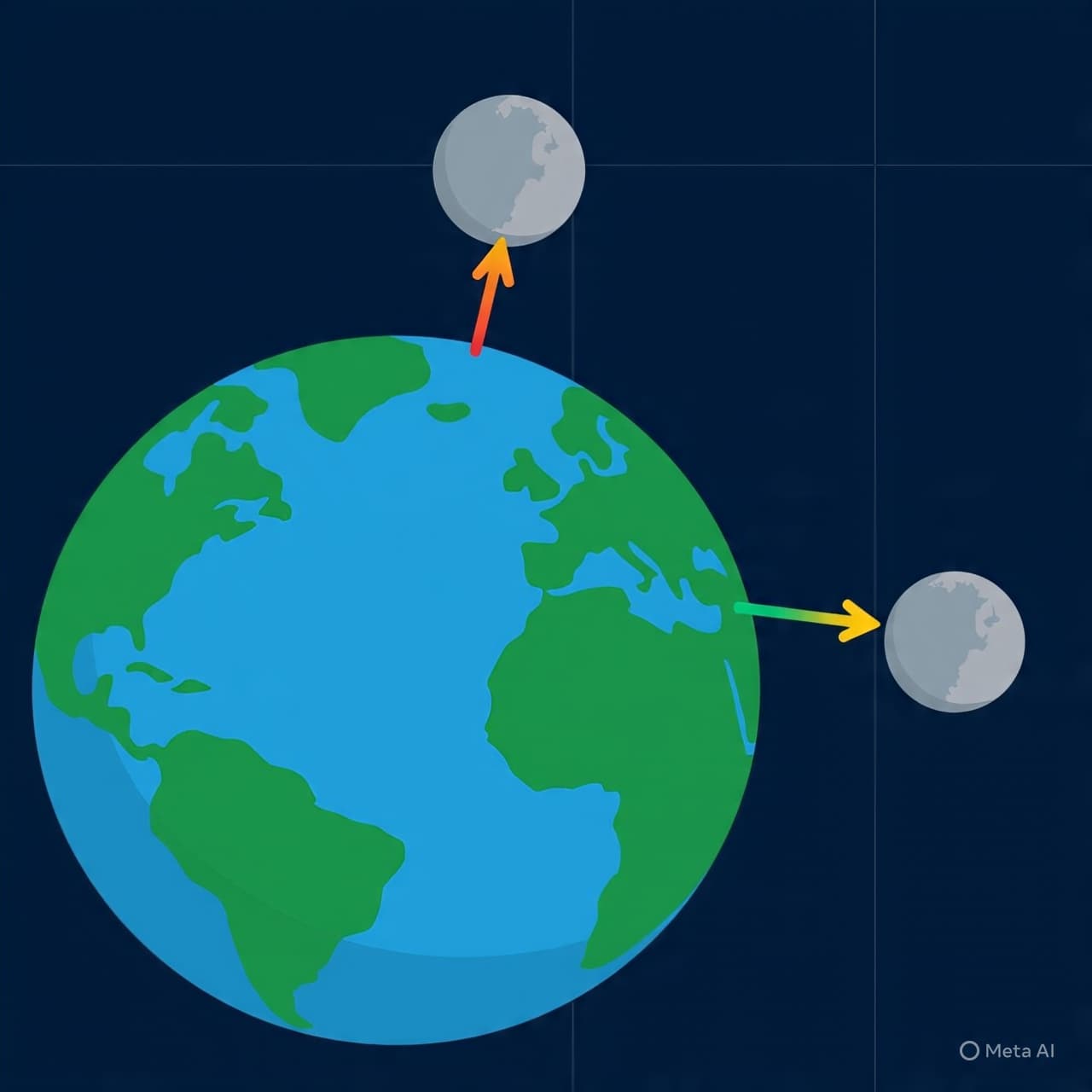
NASA researchers analyzing Apollo lunar soil using triple oxygen isotope measurements have placed new constraints on the amount of water that meteorites could have delivered to the Earth‑Moon system over the past four billion years. Their study found that even when accounting for Earth’s higher impact rate, contributions from water‑bearing meteorites would only make up a small fraction of Earth’s ocean water, challenging hypotheses that late meteorite delivery was the dominant source of Earth’s water. The research was published in the Proceedings of the National Academy of Sciences.
AI Image Disclaimer Illustrations are AI‑generated and intended for representation, not reality.
Sources NASA Science — NASA Finds Lunar Regolith Limits Meteorites as Source of Earth’s Water Universe Today — Study Suggests Earth’s Water Might Not Have Come from Meteorites
Published by Banx Network. This article is part of the Banx decentralized media programme, powered by the BXE token on the XRP Ledger.