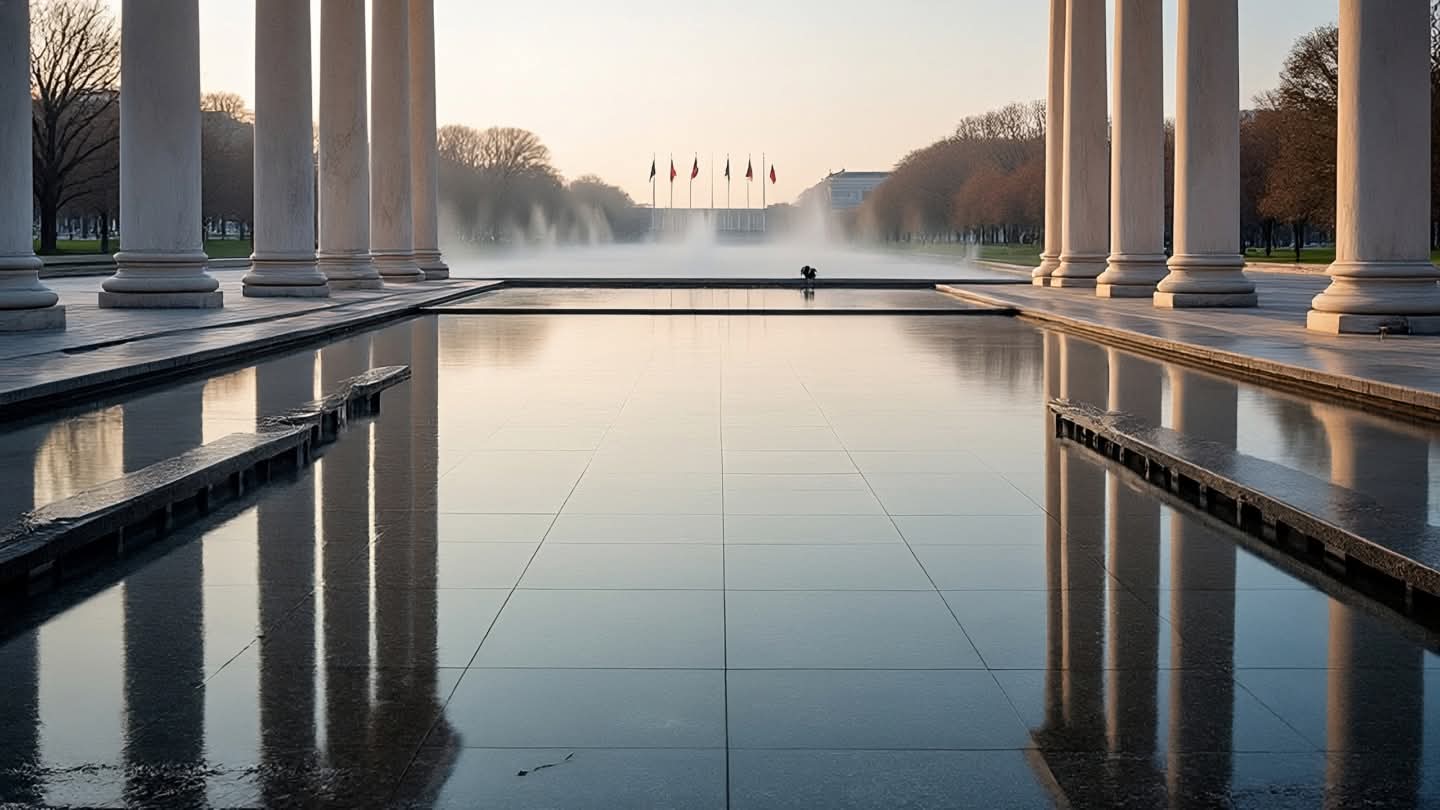
Memorials are sacred spaces, designed to honor sacrifice and preserve memory against the erosion of time. They stand as silent witnesses to history, inviting reflection and respect. When such a site is damaged, it feels like a violation not just of stone and metal, but of collective reverence. A Kentucky woman has been indicted on charges related to alleged damage at the World War II Memorial in Washington, D.C., sparking a conversation about vandalism, protest, and the sanctity of public monuments.
The indictment alleges that the defendant engaged in acts that defaced or destroyed parts of the memorial, which honors the sixteen million who served in the armed forces of the U.S. during World War II. The National Park Service, which manages the site, reported the incident and worked with federal authorities to identify those responsible. The charges reflect the seriousness with which the government views the protection of national landmarks.
For many veterans and their families, the memorial is a place of personal connection and grief. Any harm done to it is felt deeply, as if an insult to those who gave their lives for freedom. The community response has been one of shock and sadness, emphasizing the need for greater vigilance and respect for these hallowed grounds.
The legal proceedings will determine the extent of the damage and the intent behind the actions. Federal laws protecting national memorials are strict, recognizing their importance to national identity and historical education. Penalties can include fines and imprisonment, serving as a deterrent to future acts of vandalism.
This incident also raises questions about the balance between free expression and property rights. While protest is a fundamental democratic right, it does not extend to the destruction of public property, especially sites dedicated to historical remembrance. The case serves as a reminder that civic engagement must be conducted within legal and ethical boundaries.
Restoration efforts are already underway, with specialists working to repair any damage and restore the memorial to its original state. The goal is to ensure that the site remains a dignified and accurate tribute to the generations it honors. These efforts highlight the resilience of the community and its commitment to preserving history.
Public awareness campaigns may follow, encouraging visitors to treat memorials with care and respect. Education plays a key role in preventing such incidents, helping people understand the significance of these spaces and the stories they tell. It is a collective responsibility to protect our shared heritage.
The defendant is expected to appear in federal court to face the charges. Meanwhile, the World War II Memorial remains open to the public, standing as a testament to endurance and the enduring value of remembrance.
AI Image Disclaimer: The images associated with this piece are AI-generated visualizations intended to represent the themes of national memorials, historical preservation, and legal accountability.
Sources: Department of Justice National Park Service Associated Press Washington Post Local Kentucky News Outlets
Published by Banx Network. This article is part of the Banx decentralized media programme, powered by the BXE token on the XRP Ledger.