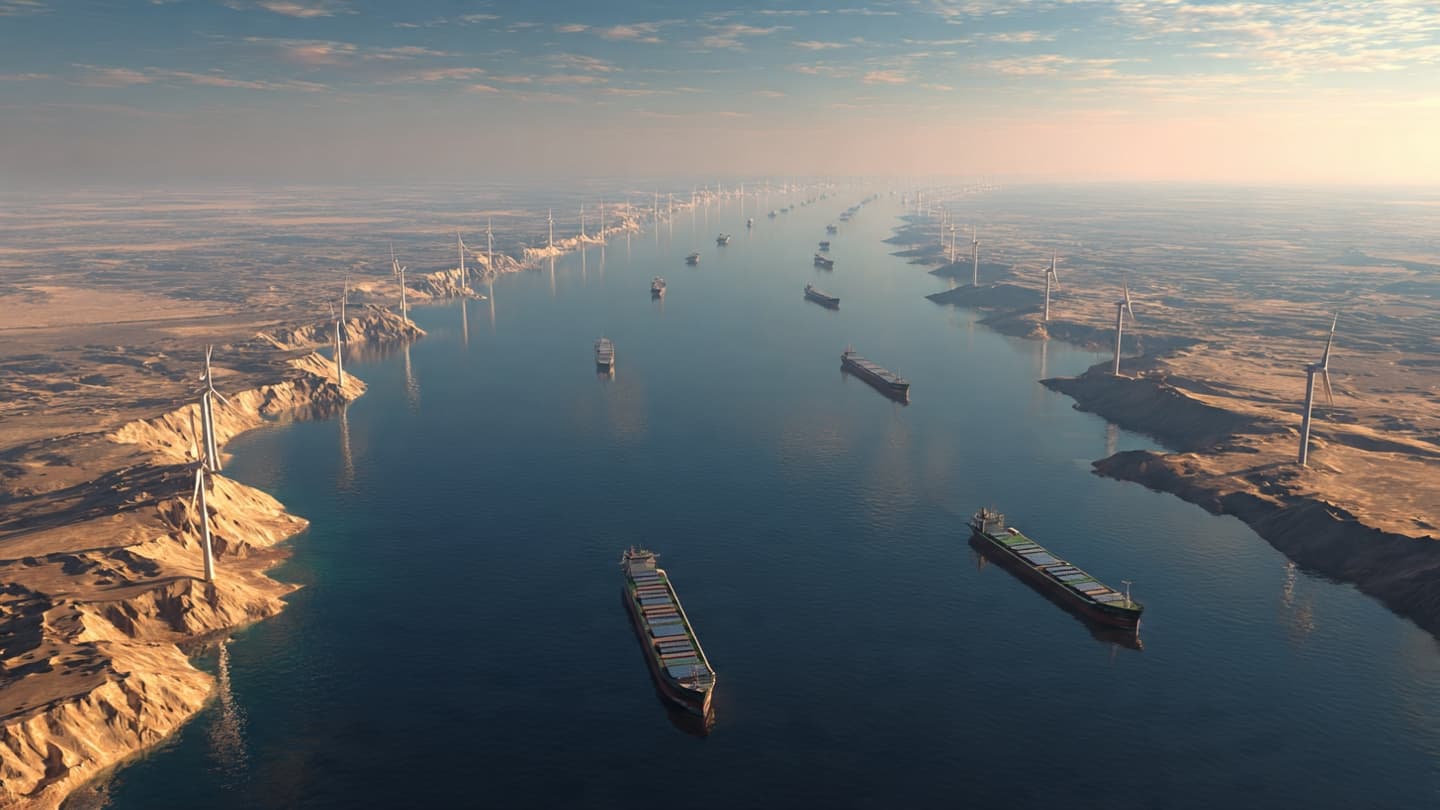
Like a narrow bridge connecting two vast oceans, the Strait of Hormuz has long stood as both a lifeline and a flashpoint in global affairs. Every day, ships carrying the lifeblood of the world economy pass through its waters, carrying with them not just cargo, but the hopes and tensions of nations far and wide. It is a place where geography meets geopolitics, where the flow of oil mirrors the flow of power, and where every decision ripples across continents. Recently, reports have emerged of a proposal that could reshape the dynamics of this critical waterway. The United States has put forward an idea that links the release of assets frozen from Iran to arrangements for the management and security of the strait. It is a suggestion that brings together two of the most sensitive issues in the region: financial sovereignty and maritime control, weaving them into a single, complex tapestry of negotiation. For many, the proposal represents a possible path forward—a way to address long-standing concerns while opening new channels for dialogue. The idea of using assets that have been held for years as part of a broader agreement suggests a willingness to explore creative solutions, to look beyond old patterns and seek common ground. It is an approach that acknowledges the interconnectedness of economic and security interests, recognizing that stability in one area often depends on progress in the other. At the same time, the proposal raises important questions and considerations. How will the terms be defined? What guarantees will be put in place to ensure that all parties uphold their commitments? And how will this affect the balance of power in the region, both now and in the years to come? These are not easy questions to answer, and they require careful thought, patience, and a deep understanding of the historical and political context that shapes relations between the two countries. Iran, for its part, has long viewed the strait as an integral part of its national identity and security. The waters that lap at its southern shores are seen not just as a resource, but as a responsibility—one that the country is determined to manage in line with its own interests and values. Any discussion about how the strait is governed, therefore, touches on issues of sovereignty, pride, and the right to determine one’s own destiny. The international community, too, watches closely. For nations dependent on the smooth flow of trade through these waters, the outcome of these talks carries real weight. A resolution that brings greater certainty and security would be welcomed by many, offering a sense of calm in a world that often feels uncertain. Yet there is also caution, a recognition that agreements are only as strong as the trust that underpins them, and that building that trust takes time. As discussions continue, the situation remains fluid. There are hopes for progress, but also awareness of the challenges that lie ahead. Each side brings its own perspectives, its own priorities, and its own vision for the future. Finding a way to reconcile these will not be simple, but it is a task that matters—not just for the countries directly involved, but for the whole world. In the end, the story of the Strait of Hormuz is more than just a story of geography or economics. It is a story of human effort to find balance, to manage differences, and to create conditions where cooperation can flourish. Whether this latest proposal will mark a step in that journey remains to be seen, but it is a reminder that even in the most complex of situations, the possibility of dialogue and understanding always exists. AI Image Disclaimer Visuals are created with AI tools and are not real photographs. Sources
• House of Saud
• Suara.com
• Sina News
• Parliament UK
• PressTV
Published by Banx Network. This article is part of the Banx decentralized media programme, powered by the BXE token on the XRP Ledger.