The city wakes to the rhythm of the bus, a massive, double-decker heartbeat that pulses through our streets, carrying the lives of students, workers, and dreamers toward their respective destinations. It is a reliable, mechanical companion to our daily routines, defined by the predictable routes of Tuen Mun and the hum of traffic that weaves through the urban tapestry. Yet, even in the most orchestrated environments, there exists the potential for the sudden, the unexpected, and the jarring interruption of the status quo.
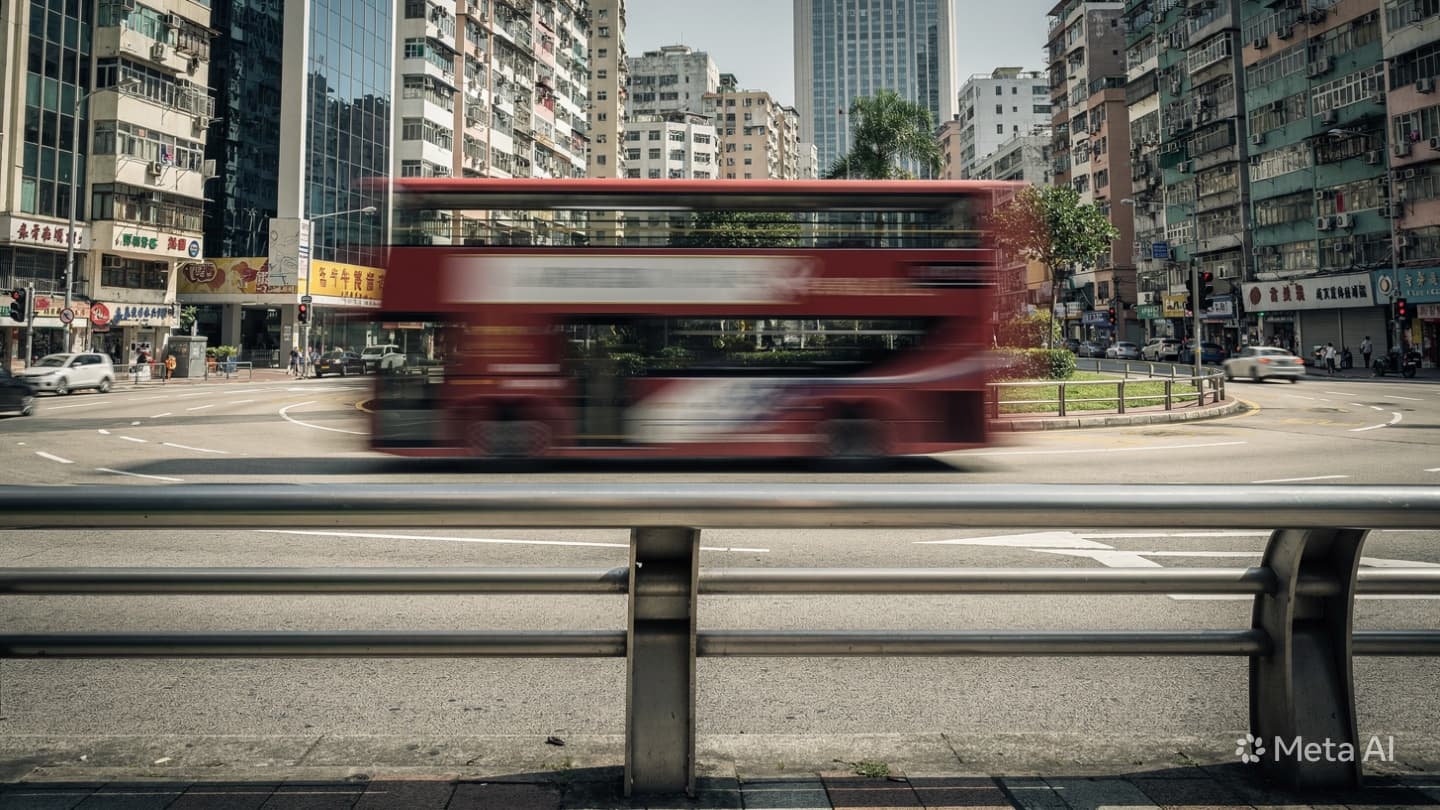
It was a morning like any other, the air thick with the movement of a city beginning its day, until a routine transit route took an unforeseen path. A double-decker bus, an entity usually so tethered to the constraints of the road, deviated from its course near a central roundabout in Tuen Mun. The steel and glass behemoth mounted the center of the structure, crashing into the protective railings in a moment that sent a ripple of uncertainty through the surrounding commuters and onlookers.
The image of such a vehicle, suspended or tilted against the rigid metal of the curb, is inherently evocative. It forces a brief, sharp pause in the consciousness of those witnessing it, as the familiar mechanics of the road are subverted. The bus, usually a symbol of reliable transit, suddenly becomes a sculpture of misplaced force, a testament to the fact that even the most grounded systems can falter against the variables of geography and human circumstance.
In these moments, the collective breath of the city is held in anticipation of the news—the count of the injured, the severity of the damage, and the state of those on board. Fortunately, the narrative of this morning’s event quickly shifted from one of potential catastrophe to one of relief. Despite the violence of the crash and the entanglement with the railings, reports emerged confirming that no serious injuries had been sustained among the passengers or the driver.
The calm that followed was almost as sudden as the crash itself. While emergency services arrived with their flashing lights and organized intent, the tension dissipated into the reality of a logistical challenge. The scene was marked by the presence of the damaged bus, a static object in a space designed for fluid movement, yet the absence of critical harm served as a grace note, allowing the focus to move from rescue to recovery and investigation.
Law enforcement and transport authorities began the task of unraveling the "why"—an inquiry that is as much about mechanical failure as it is about the intersection of human reaction and environmental design. The roundabout, a structure meant to guide the flow of traffic, became the subject of scrutiny, as investigators assessed the conditions that led the bus to mount the curb. It is a process of reconstruction, both of the vehicle and of the sequence of events, designed to ensure the safety of future commuters.
For the passengers who had simply intended to traverse the city, the event becomes a shared story, a moment of unexpected stillness in an otherwise busy life. It is the kind of experience that highlights the communal nature of public transit—the reliance on the driver, the safety of the vehicle, and the unspoken pact that every rider makes with the urban environment every time they step through the doors. When that pact is tested, we are reminded of the fragility inherent in our collective movement.
As the day progressed and the bus was eventually cleared from the roundabout, the road resumed its function. The city, resilient and perpetually moving, absorbed the event into its memory, the impact of the crash softening into the routine flow of traffic once again. For the officials tasked with analyzing the scene, the work continues, ensuring that the lessons learned from this morning’s detour are woven into the safety protocols of the transit network.
In the final assessment, the incident in Tuen Mun is a mirror reflecting the realities of our urban infrastructure. It serves as a reminder that we navigate these spaces not just as individuals, but as part of a vast, interconnected organism. When a bus mounts a roundabout, we are all briefly stopped, reminded of our own presence within the system, and invited to consider the quiet, everyday diligence required to keep the city in motion, safe from the abrupt edges of the unexpected.
On Wednesday morning, a double-decker bus in Tuen Mun veered off course and mounted a central roundabout, coming to rest against metal railings. Emergency services were quickly deployed to the scene. Authorities confirmed that no serious injuries were reported among those on board or bystanders, and they have since launched a preliminary investigation to determine the cause of the collision.
Published by Banx Network. This article is part of the Banx decentralized media programme, powered by the BXE token on the XRP Ledger.