There are moments in history when words attempt to move faster than reality—when statements of calm are released into a sky that has not yet learned to be quiet. Like a shoreline still trembling after a storm, the Middle East now finds itself suspended between what is said and what continues to unfold.
In recent days, a fragile narrative of de-escalation emerged, carried by claims that the conflict might soon slow, perhaps even end. Yet above that narrative, another language—older and more unforgiving—continued to speak. It spoke not in sentences, but in trajectories.
Missiles launched from Iran streaked across the region, targeting Israel and several neighboring areas, marking one of the latest escalations in a war that has refused to follow the script of diplomacy. The sky, once again, became a messenger of tension rather than relief.
The contrast has been striking. On one side, former U.S. President Donald Trump described ongoing discussions as “productive,” suggesting that a pathway toward ending the war might be forming. On the other, Iranian officials firmly denied that such negotiations were taking place, dismissing them as misrepresentation or strategic messaging.
Between these two positions lies a familiar uncertainty—the kind that often shapes conflicts where perception becomes part of the battlefield. Diplomacy, in such moments, can resemble a distant lighthouse: visible, perhaps guiding, but not yet altering the waves.
The continued exchange of strikes underscores how deeply entrenched the conflict has become. Israeli forces responded with extensive attacks on Iranian-linked targets, while regional tensions spilled outward, touching Gulf states and disrupting broader stability. The rhythm of escalation has not slowed; if anything, it has adapted, shifting between military action and political signaling.
Meanwhile, behind the visible movements of missiles and aircraft, quieter currents continue to flow. Mediation efforts involving third-party nations have been mentioned, suggesting that channels of communication—however narrow—remain open. Yet even these efforts appear constrained by distrust, hardened positions, and the weight of recent events.
What emerges is not simply a contradiction, but a layered reality. Public statements speak of resolution, while actions on the ground suggest preparation for continuation. In such a landscape, truth is not absent—it is simply divided across timelines that have yet to align.
For observers, the question is no longer just whether the war will end, but how narratives themselves shape its course. Can declarations of peace soften the trajectory of a missile? Or do they arrive only after the sky has already spoken?
For now, the region remains in motion—caught between intention and impact, between what is promised and what persists.
And so, the world watches not for what is said next, but for what follows after.
AI Image Disclaimer
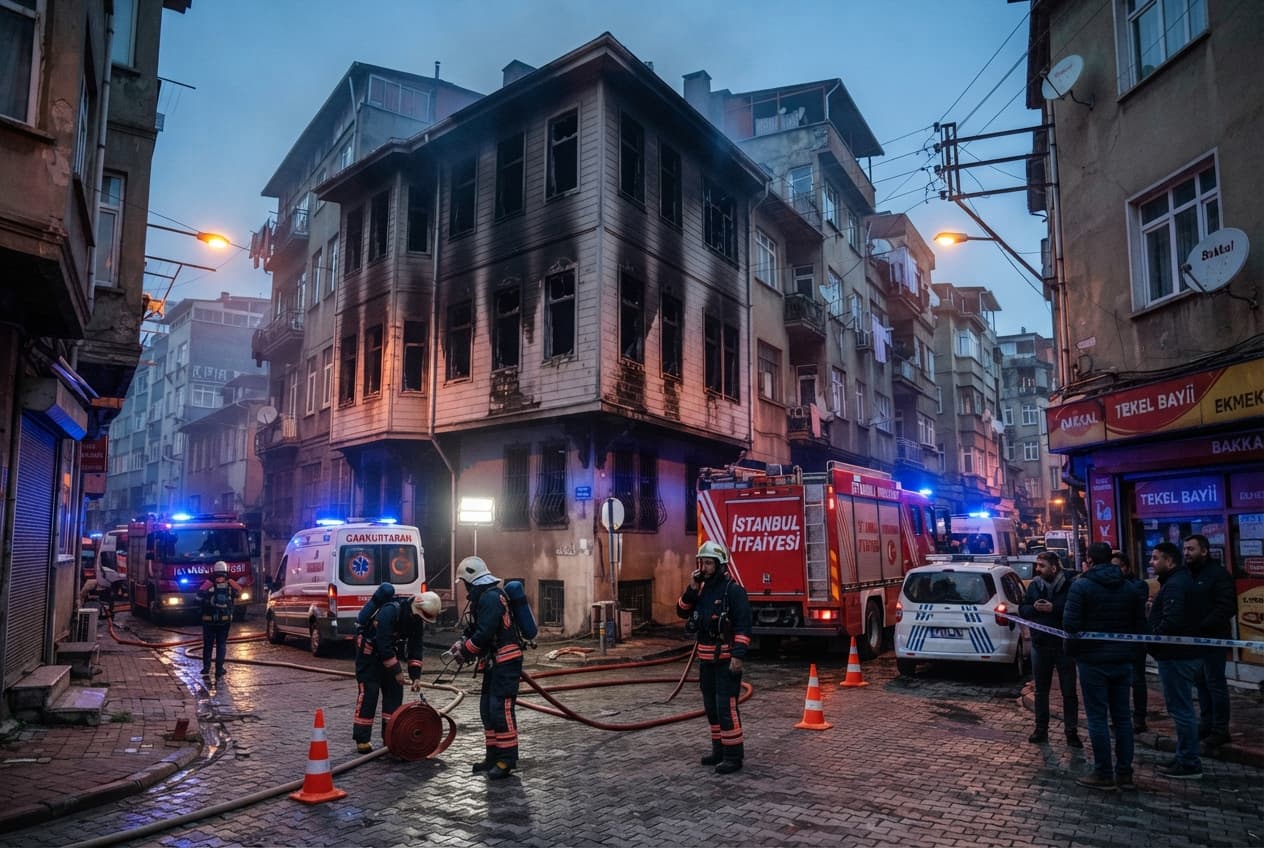
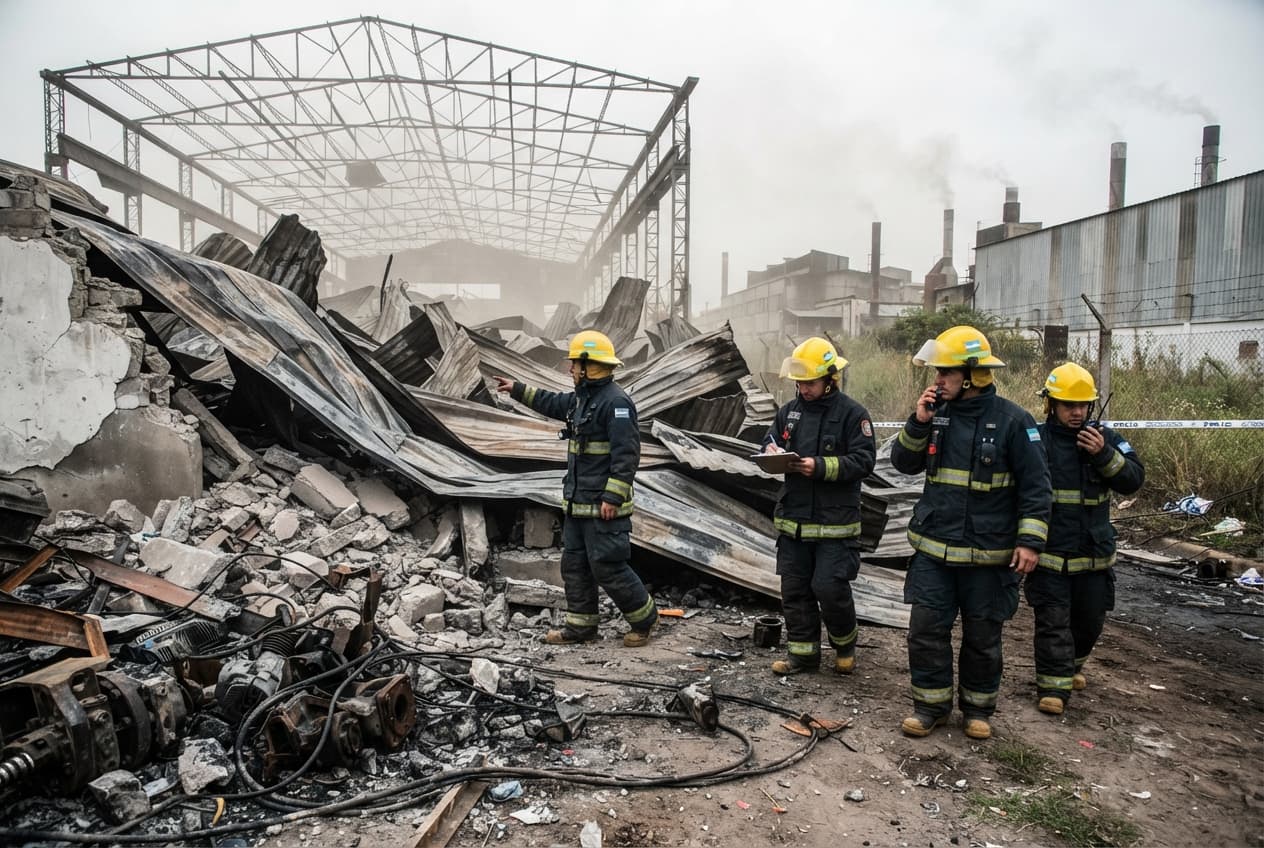
Visuals are created with AI tools and are not real photographs.
Source Check
Here are credible, recent sources confirming the situation:
1. Reuters
2. The Washington Post
3. The Guardian
4. Al Jazeera
5. Wikipedia (context/background verification)
Published by Banx Network. This article is part of the Banx decentralized media programme, powered by the BXE token on the XRP Ledger.