
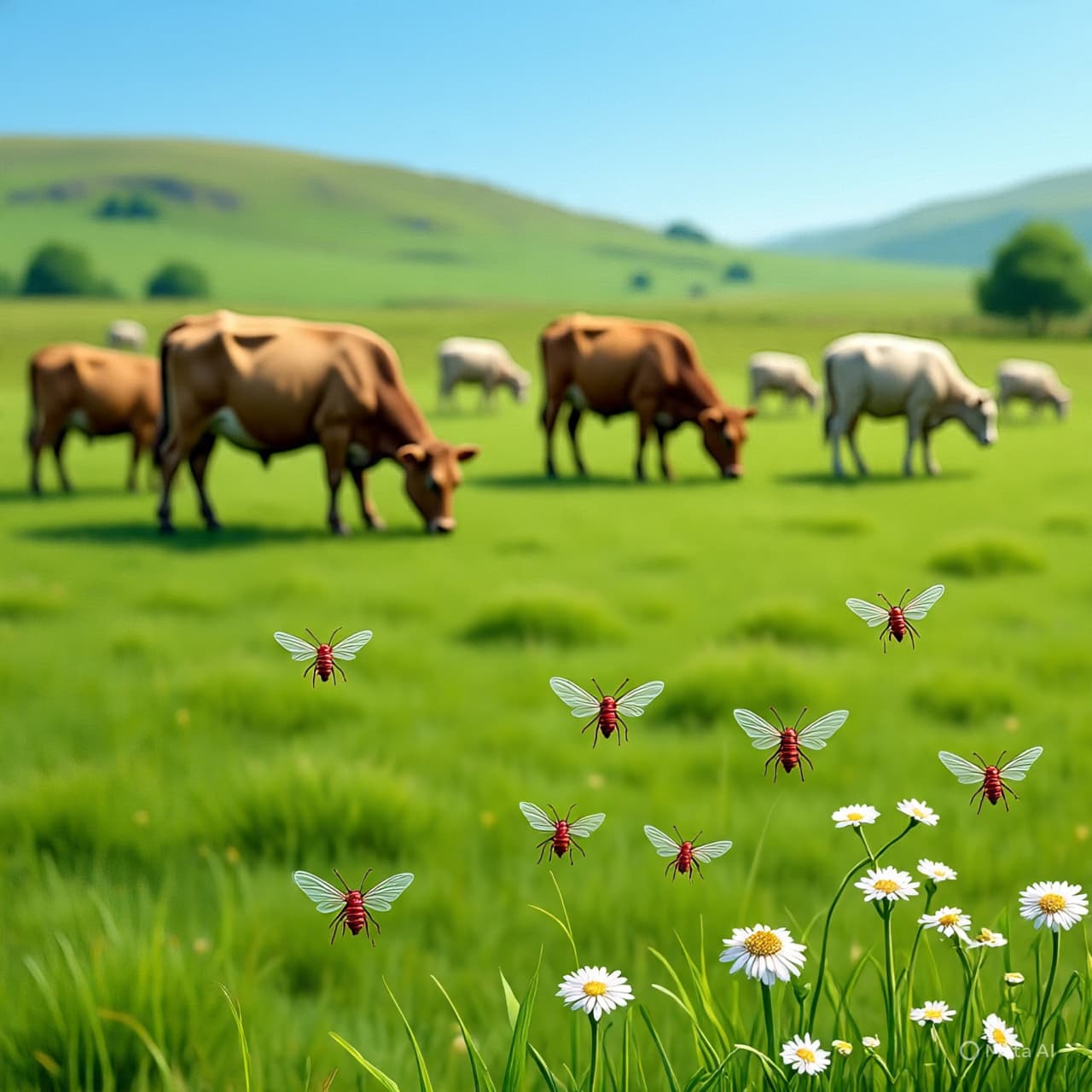
On the rolling fields of Ireland’s southeast, where cattle graze and sheep dot the gentle hillsides, an unexpected visitor — the bluetongue virus — has stirred concern across farming communities and agricultural authorities. A recently confirmed case of bluetongue in Co. Wexford has prompted an emergency meeting of government, industry and veterinary stakeholders to assess what this development could mean for livestock health, trade and rural livelihoods.
Bluetongue is a viral disease spread by biting midges, affecting sheep, cattle and other ruminants. While it does not pose a risk to human health nor food safety, the disease can have significant implications for animal welfare and livestock movement. The announcement of a confirmed case this week — the first in Ireland — has unsettled farmers who depend on healthy herds for their livelihoods.
In response, the Department of Agriculture held an emergency virtual meeting with exporters and stakeholders to explore the potential consequences of the outbreak for live animal exports, particularly in a busy period for trade. Officials stressed that there is no immediate cause for panic, but acknowledged that trade to some countries could be temporarily stalled while certificates and testing requirements are reviewed.
Representatives from farming organisations described the situation as “deeply worrying,” urging vigilance and clear communication with producers. They highlighted the need for rapid testing, biosecurity measures on farms, and coordinated action to prevent the virus from spreading further. While restrictions currently apply only at the site of the confirmed case, authorities and industry bodies agreed that heightened surveillance and careful response plans are essential as the risk of vector activity increases with changing seasons.
For rural communities where livestock farming is central to both culture and economy, the meeting underscored a delicate balance: safeguarding animal health while maintaining confidence in trade and market access. As the agricultural sector watches closely, questions remain about how far the virus might spread, what measures will be adopted to control it, and how farmers will adapt. In this moment of uncertainty, cooperation among veterinarians, government agencies and farmers offers a pathway to resilience — one that hopes to protect both animals and the industries that depend on them.
AI Image Disclaimer Visuals are created with AI tools and are not real photographs; they are intended for conceptual illustration only.
Sources RTÉ News The Irish Farmers Journal Irish Farmers’ Association coverage
Published by Banx Network. This article is part of the Banx decentralized media programme, powered by the BXE token on the XRP Ledger.


