

Key Highlights
- North Korea has opened a new museum dedicated to troops who fought in support of Russia.
- The museum aims to shape national narratives around sacrifice and solidarity.
- This development reflects the growing political and military cooperation between North Korea and Russia.
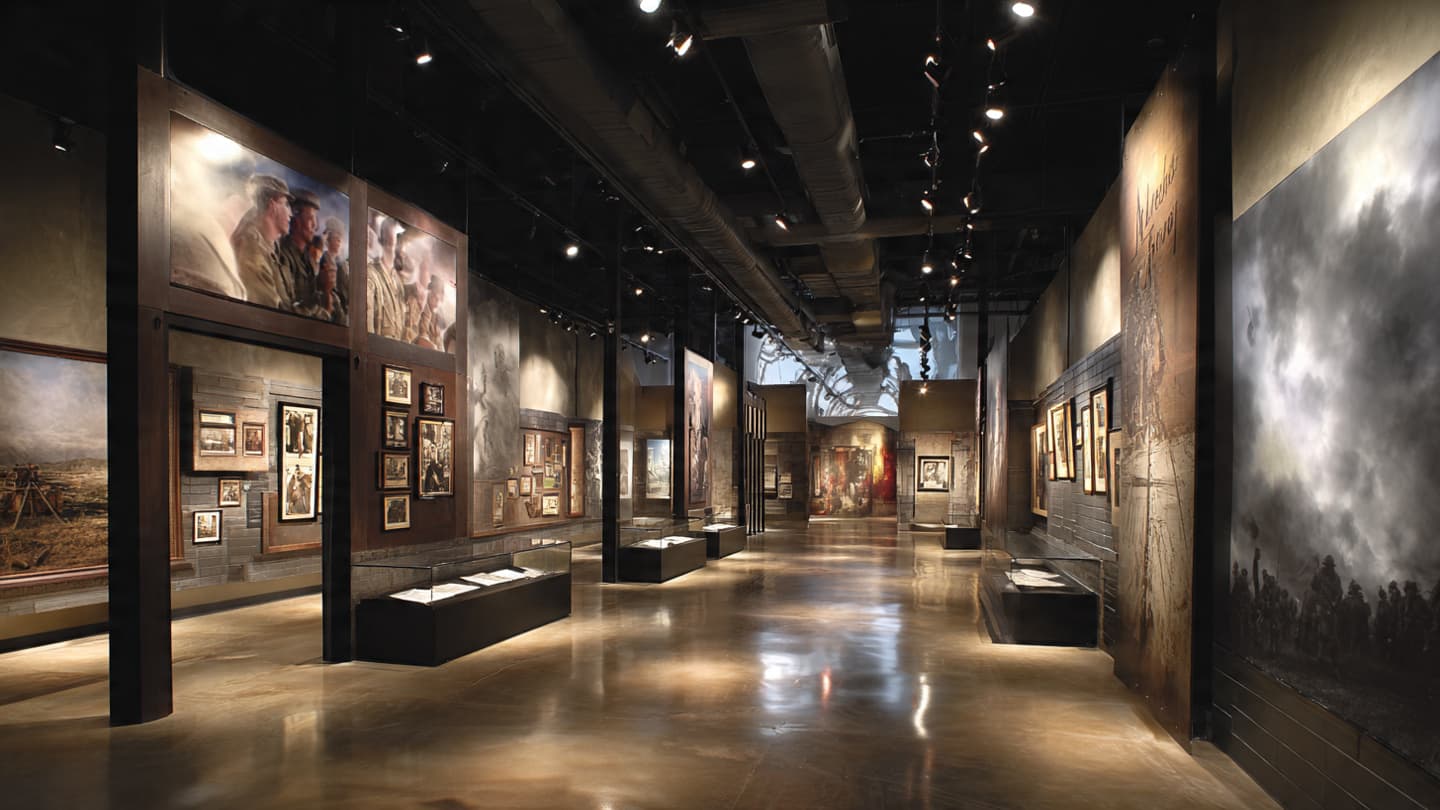
The recent inauguration of a museum in North Korea dedicated to troops who allegedly died while supporting Russia marks a significant moment in the evolving relationship between the two nations. This museum is not just a place for reflection; it serves as a powerful tool for shaping public memory and national identity. By commemorating these troops, North Korea is reinforcing its narrative of solidarity and sacrifice, themes that are often emphasized in its public discourse.
According to state media reports, the museum highlights the contributions of these soldiers within a broader historical context. However, the details surrounding the scale and nature of their involvement remain unverified by independent sources. This lack of transparency raises questions about the accuracy of the narratives being presented and the motivations behind them.
The opening of the museum comes at a time of increasing cooperation between North Korea and Russia, particularly in political and military exchanges. Analysts suggest that such initiatives serve dual purposes: they commemorate historical events while also reinforcing current geopolitical alignments. The museum's establishment can be seen as a symbolic gesture that underscores the strengthening ties between the two countries amidst a complex international landscape.
Museums in North Korea have historically played a crucial role in shaping the national narrative. They often emphasize themes of sacrifice, heroism, and collective memory, which are integral to the country's identity. This new museum appears to follow that pattern, focusing on shared experiences and the sacrifices made by troops in the context of international relations.
International reactions to the museum's opening have been measured. Observers note that while it may serve as a commemorative site, it also reflects the ongoing evolution of North Korea's foreign policy and its efforts to solidify alliances. The implications of this development extend beyond mere remembrance; they touch on the broader dynamics of power and influence in the region.
As visitors within North Korea engage with the museum, they are presented with a curated perspective that blends historical elements with contemporary events. This approach not only shapes public perception but also reinforces the government's narrative about its role in the world. The museum thus becomes part of a larger story, one that intertwines remembrance with the ongoing evolution of international relationships.
In conclusion, the opening of this museum is a significant event that highlights the interplay between memory, history, and contemporary geopolitics. As North Korea continues to navigate its relationships on the global stage, such initiatives will likely play a crucial role in shaping both domestic and international perceptions.
Published by Banx Network. This article is part of the Banx decentralized media programme, powered by the BXE token on the XRP Ledger.




