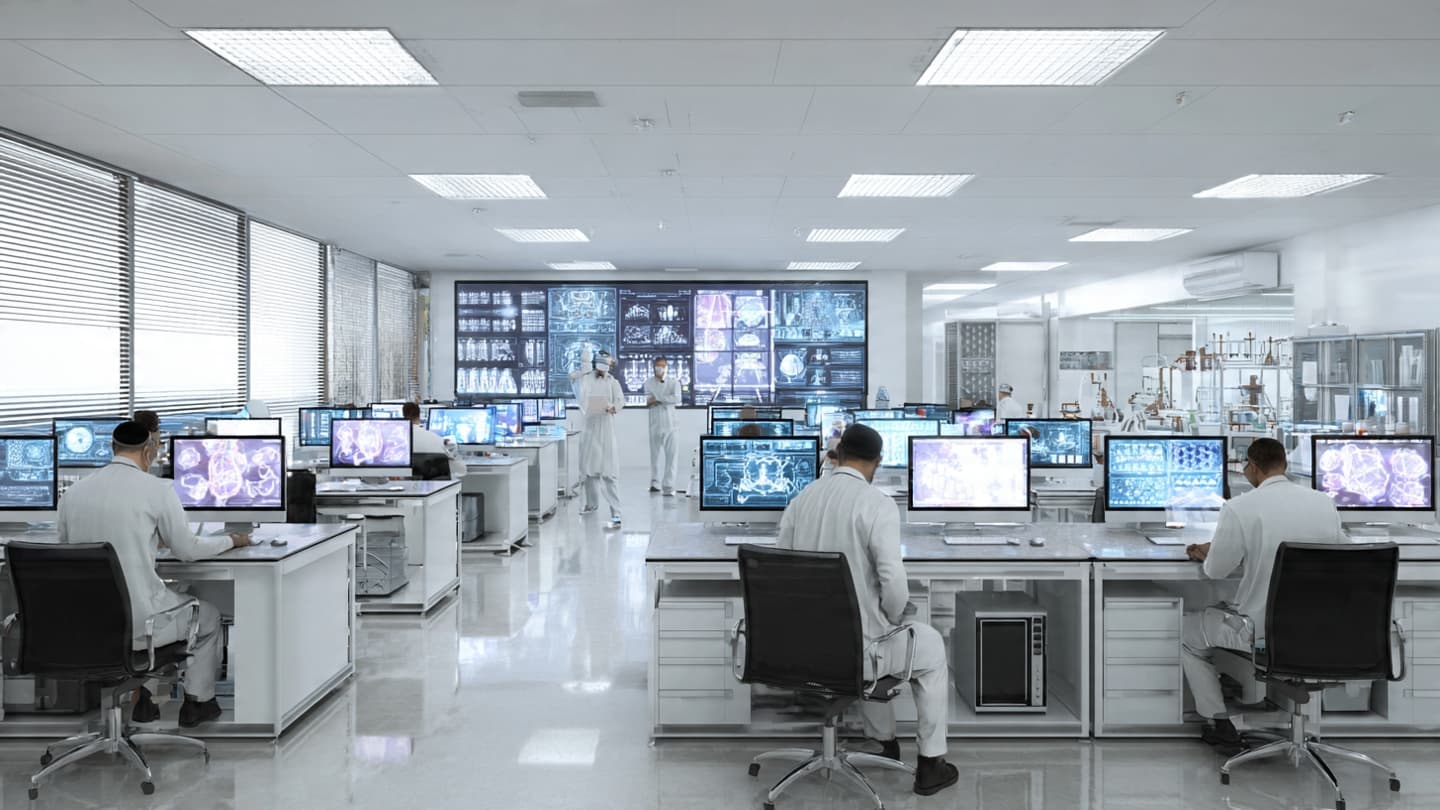
Inside a modern hospital, the rhythm of care is measured not only by the footsteps of doctors and nurses but also by the quiet movement of information. Patient records travel between departments, diagnostic images appear on screens, and increasingly, artificial intelligence is becoming part of the systems supporting medical decisions. Indonesia is now exploring how that technology can be woven more deeply into healthcare.
The Asia READY 2026 conference is bringing together healthcare leaders, clinicians and technology specialists to discuss connected healthcare and the growing role of artificial intelligence. The event reflects a wider movement in which digital systems are being considered not merely as administrative tools, but as part of the infrastructure surrounding patient care. (en.antaranews.com)
Artificial intelligence can assist healthcare in several ways. It can help organize large quantities of information, identify patterns in medical records and support clinicians as they review complex cases. The potential value lies partly in reducing the amount of repetitive information processing that can occupy time in hospitals.
Indonesia's healthcare system also faces a landscape of considerable scale. The country's population is spread across thousands of islands, creating differences in access to medical facilities, specialist services and advanced equipment. Digital systems can potentially help connect institutions and professionals across those geographical distances.
The development of connected healthcare is therefore about more than installing new software. Hospitals need compatible systems, reliable networks, trained personnel and appropriate safeguards for sensitive patient information. Without those foundations, even advanced AI tools may struggle to provide consistent benefits.
The conversation also comes as Indonesian medical institutions explore more sophisticated technologies. At Cipto Mangunkusumo Hospital, for example, doctors have reported successful implantation of a miniature left ventricular assist device, demonstrating how medical innovation can involve both highly specialized hardware and increasingly digital systems. (antaranews.com)
Artificial intelligence may also become more relevant in preventive health. Indonesia's free health screening program has reached tens of millions of people, generating a large amount of health information. The government's move toward treatment for conditions such as hypertension, high blood sugar and high cholesterol creates another area where digital tools could potentially help organize and analyze information. (thejakartapost.com)
Yet healthcare technology remains closely connected to human judgment. An algorithm can process information rapidly, but medical decisions involve context, communication and responsibility. The most useful systems are therefore likely to be those that strengthen clinicians rather than simply place another layer between patients and the people caring for them.
For Indonesia, the transition is likely to unfold gradually. Hospitals, technology companies, researchers and government institutions will need to determine which applications produce measurable improvements and which require further development. The challenge is not simply to adopt AI, but to make it useful within the realities of Indonesian healthcare.
For now, the growing attention to connected healthcare and artificial intelligence signals another stage in Indonesia's digital transformation. As hospitals and health institutions explore new systems, technology is increasingly becoming part of the infrastructure through which medical information, expertise and patient care move across the country. (en.antaranews.com)
AI Image Disclaimer These visuals were generated with artificial intelligence to illustrate the article's subject and are not photographs of actual Indonesian healthcare facilities.
Sources ANTARA News The Jakarta Post Ministry of Health of the Republic of Indonesia Cipto Mangunkusumo Hospital InterSystems
Published by Banx Network. This article is part of the Banx decentralized media programme, powered by the BXE token on the XRP Ledger.