The health of a president has long occupied a curious space between medicine and symbolism. Citizens look toward the White House not only for leadership but also for reassurance, searching annual medical reports for clues about endurance, capacity, and resilience. Yet these documents often arrive wrapped in carefully chosen language, leaving many to wonder where clinical transparency ends and political messaging begins.
That question resurfaced after the release of a recent medical report declaring President Donald Trump to be in “excellent health.” The report, issued by White House physician Dr. Sean Barbabella following an examination at Walter Reed National Military Medical Center, stated that Trump remains physically and cognitively fit to carry out the duties of the presidency.
The evaluation included cardiovascular assessments, neurological examinations, and cognitive testing. According to the report, Trump achieved a perfect score on the Montreal Cognitive Assessment and showed no signs of significant impairment. Minor issues, including leg swelling and hand bruising, were described as manageable and non-serious.
Presidential health disclosures have historically attracted attention because they occupy a unique intersection between personal privacy and public accountability. While ordinary citizens are entitled to medical confidentiality, presidents hold positions where physical and cognitive fitness can influence national and international decision-making.
At the same time, historians note that presidential health reports have often been selective. Various administrations across decades have faced criticism for limiting access to medical details or presenting information in highly favorable terms. Concerns surrounding transparency have involved leaders from both major political parties.
The language used in presidential health statements frequently reflects this balancing act. Descriptions such as “excellent health,” “fully fit,” or “vigorous” have appeared repeatedly in official reports, sometimes leading critics to question whether the documents function partly as public relations tools alongside medical evaluations.
Recent discussions have also been shaped by the age of modern political leaders. Trump, who is approaching 80, has faced ongoing scrutiny regarding stamina and health, much as former President Joe Biden did during his time in office. Public interest in presidential wellness has intensified as candidates continue serving at older ages.
Medical experts interviewed by several news organizations have emphasized that publicly released summaries often provide only a partial view of a patient’s overall health profile. Comprehensive records typically remain private, leaving voters to interpret information filtered through official communications.
The latest report may reassure many supporters while leaving broader debates unresolved. Presidential health disclosures remain an unusual blend of medicine, politics, and public perception, ensuring that each release is examined not only for what it reveals, but also for what it leaves unsaid.
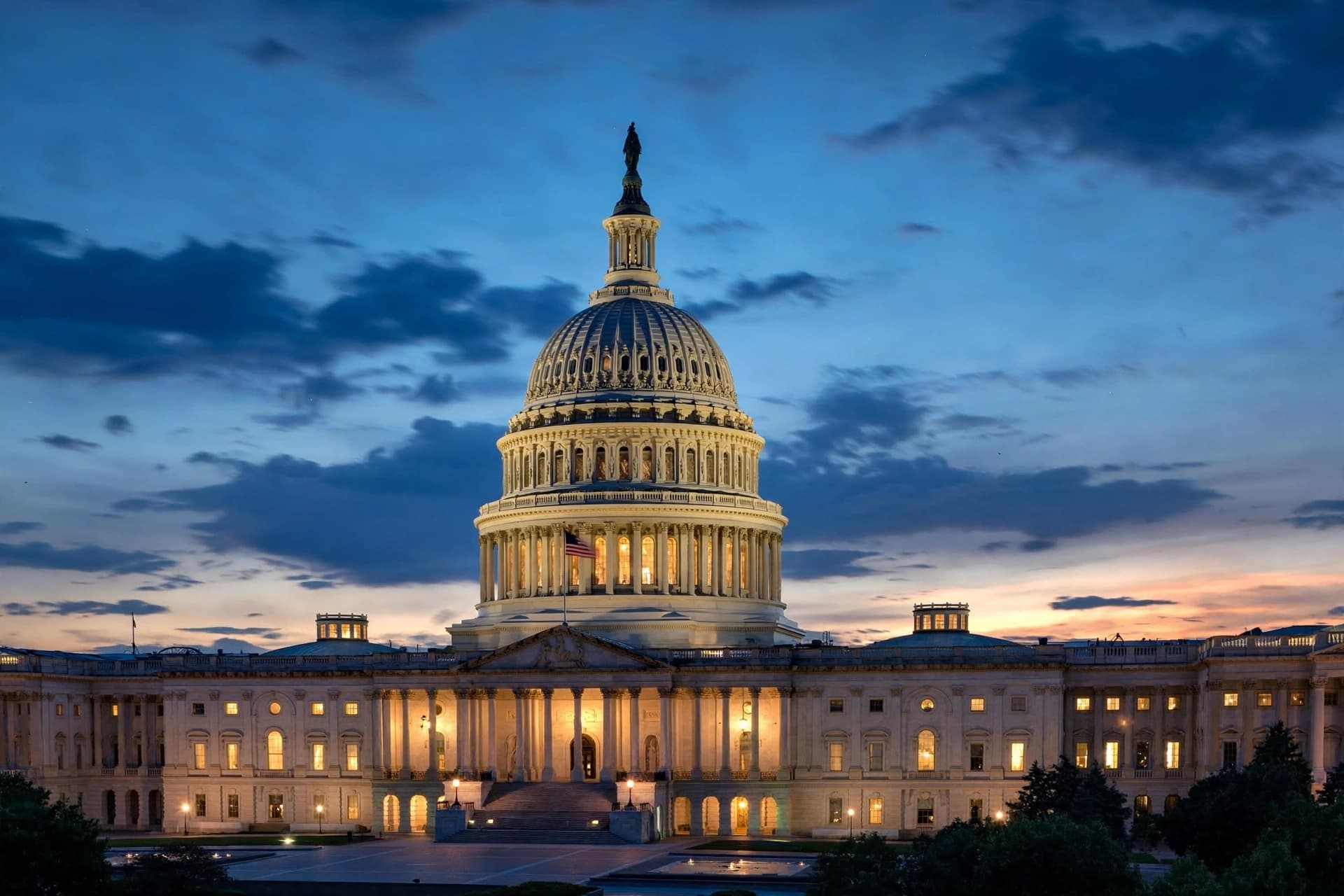
AI Image Disclaimer: The illustrations used with this article were created using AI-generated imagery to visually represent political and medical settings and are not actual photographs from the reported events.
Sources (Verified):
Reuters Associated Press The Guardian Axios The Washington Post
Published by Banx Network. This article is part of the Banx decentralized media programme, powered by the BXE token on the XRP Ledger.