The global economy often moves like a quiet sea—calm on the surface, yet deeply sensitive to winds far beyond the horizon. When geopolitical tensions rise, even distant nations feel the ripple, as if a single tremor travels across oceans to reach their shores. Such is the fragile rhythm that currencies follow, responding not only to domestic realities but to distant uncertainties.
The Indonesian rupiah recently weakened amid escalating tensions in the Middle East, particularly following renewed threats from Donald Trump toward Iran. The warning, centered on the strategic Strait of Hormuz, reignited fears over global oil supply disruptions. Markets, as they often do, reacted swiftly to uncertainty rather than certainty.
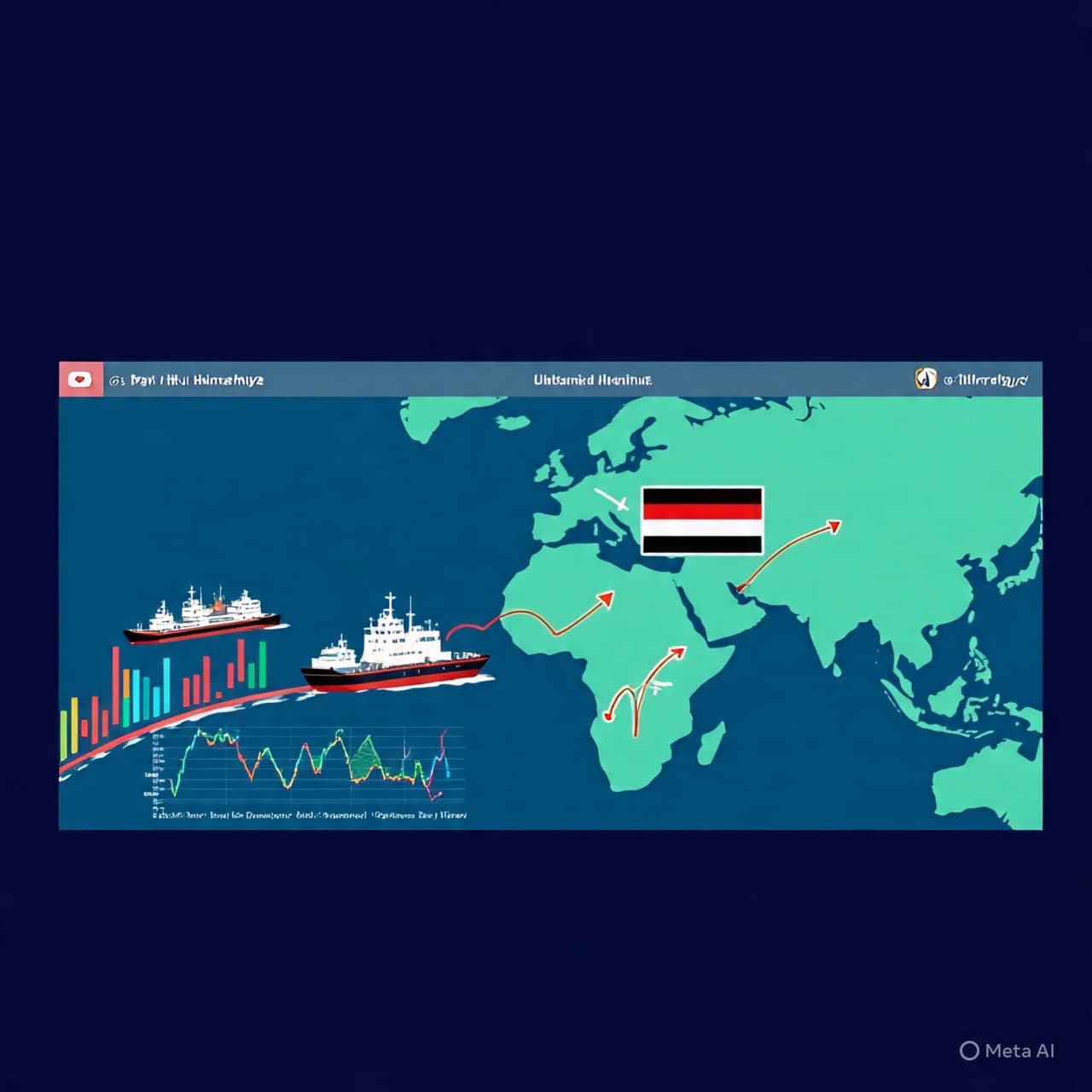
The Strait of Hormuz remains one of the most critical maritime chokepoints in the world, carrying a significant portion of global oil shipments. Any threat to its accessibility can quickly translate into higher oil prices, tightening financial conditions, and capital outflows from emerging markets such as Indonesia. Investors, cautious by nature, tend to shift toward safer assets during such periods.
Currency traders responded by adjusting their positions, leading to depreciation pressures on the rupiah. While domestic fundamentals remain relatively stable, external shocks often overshadow internal resilience. The movement reflects a broader pattern seen across emerging market currencies during geopolitical escalations.
Bank Indonesia has maintained its stance of monitoring volatility while ensuring liquidity in the market. Officials emphasize that the weakening is largely driven by global sentiment rather than structural weakness. Still, the central bank remains prepared to intervene if volatility intensifies.
Meanwhile, global oil markets have begun pricing in potential risks. Even the possibility of disruption in supply chains is enough to trigger speculative movements. For Indonesia, a net oil importer, rising prices could widen the current account deficit and place further strain on the currency.
Analysts suggest that while the situation remains fluid, much depends on whether tensions escalate into actual conflict or remain rhetorical. Markets often react sharply to headlines but may stabilize if no concrete disruption occurs. However, uncertainty itself carries weight.
In financial ecosystems, perception can be as powerful as reality. A statement made thousands of miles away can reshape expectations, redirect capital flows, and influence exchange rates in a matter of hours. The rupiah’s movement reflects this interconnected reality.
As the world watches developments in the Middle East, Indonesia’s economic stewards continue to navigate carefully. Stability, in times like these, is less about resisting change and more about adapting to it.
AI Image Disclaimer
Images in this article are AI-generated illustrations, meant for concept only.
Source Check
Reuters Bloomberg CNBC Financial Times The Wall Street Journal
Published by Banx Network. This article is part of the Banx decentralized media programme, powered by the BXE token on the XRP Ledger.