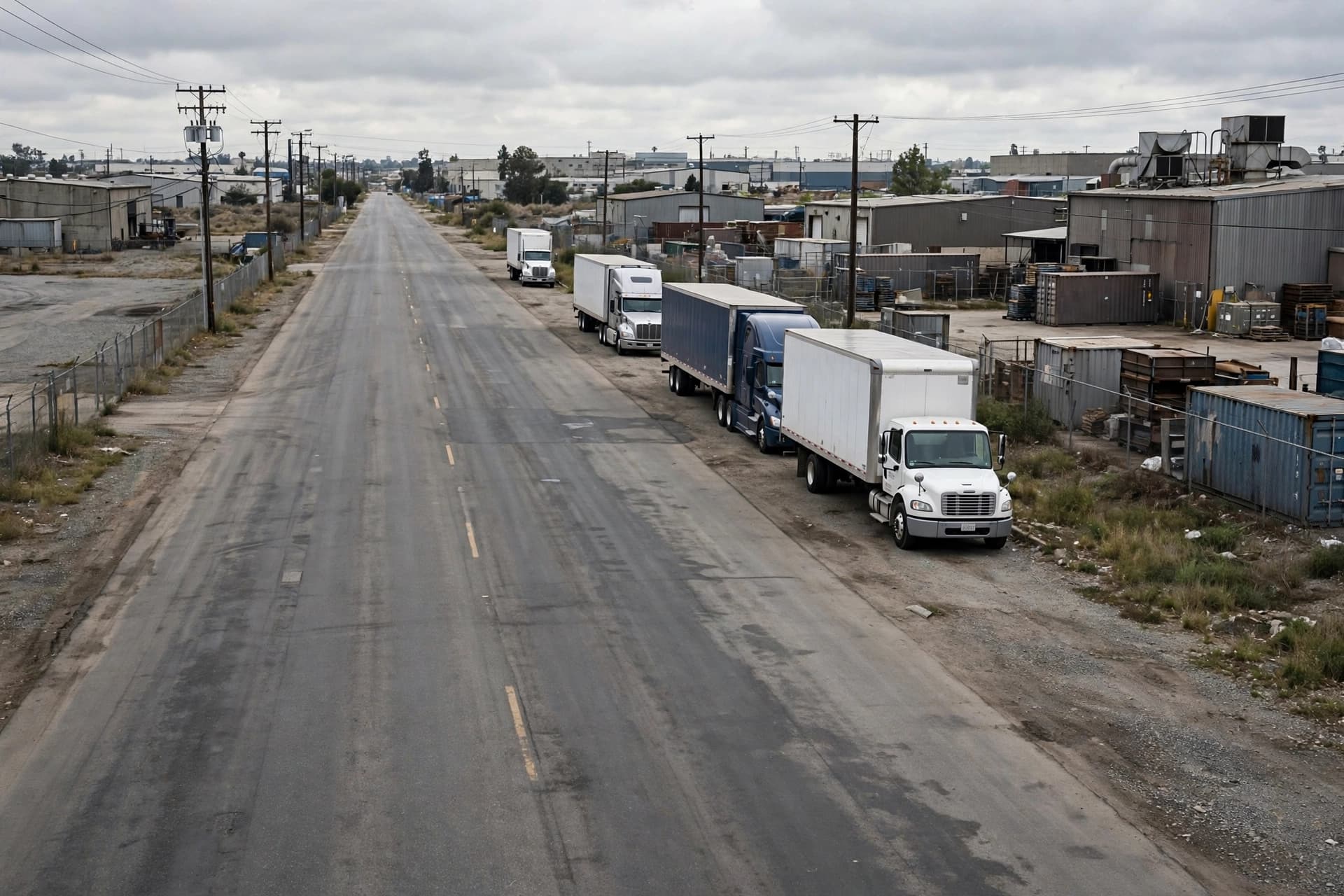
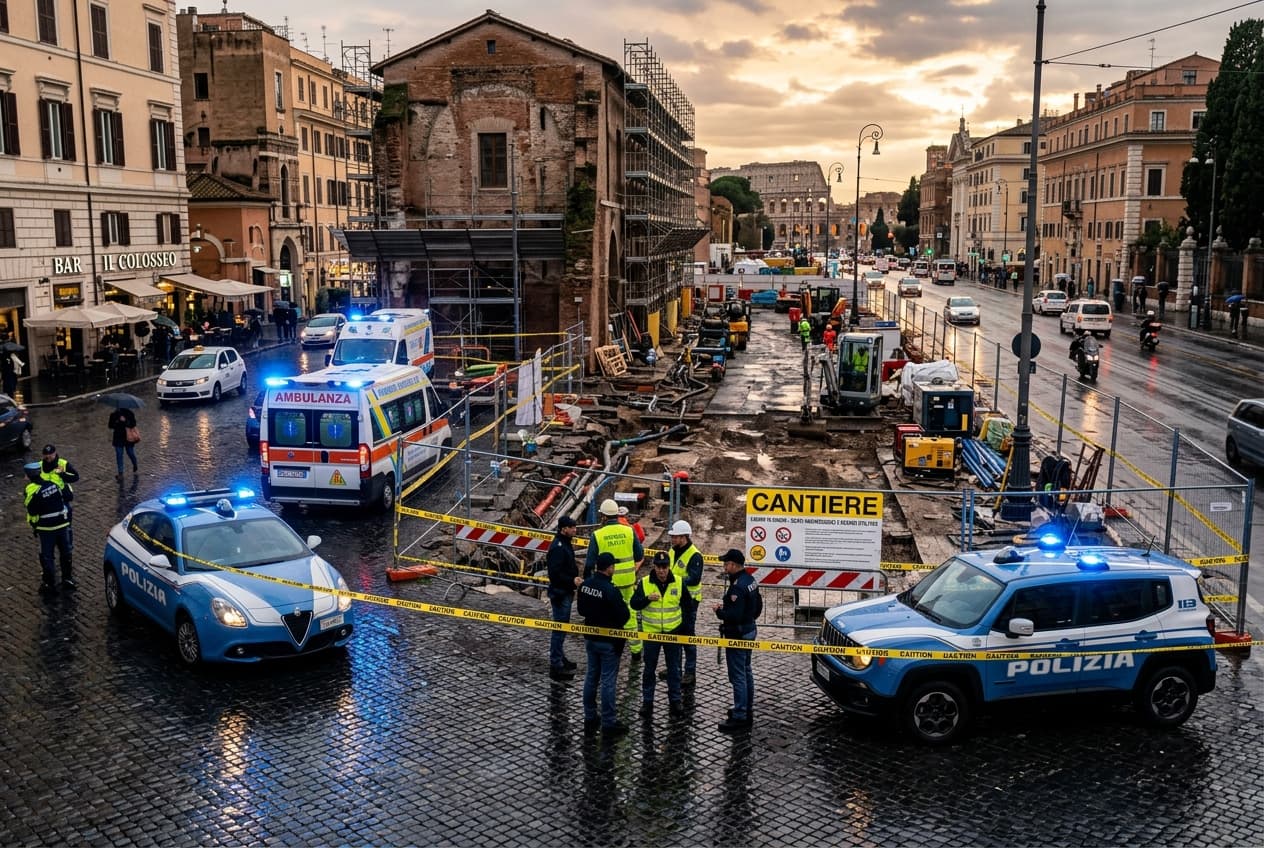
Across the global energy system, much of the world’s oil moves visibly — tankers crossing oceans, pipelines threading beneath deserts and mountains, refineries humming at the edges of cities. Yet another part of that system lies hidden, stored quietly in vast reserves built for moments when supply and stability grow uncertain.
These strategic stockpiles, scattered across major economies, are meant for times when the flow of energy needs a steadying hand.
This week, Japan’s finance minister Katsunobu Katayama said that the International Energy Agency has urged the G7 nations to consider releasing portions of their oil stockpiles. The suggestion reflects mounting attention among policymakers as energy markets respond to geopolitical tensions and concerns over the security of key shipping routes.
Strategic reserves have long served as a safeguard within the global energy framework. Many industrialized nations maintain emergency oil supplies capable of covering weeks or even months of domestic consumption. These reserves are designed to cushion sudden disruptions — whether caused by conflict, natural disasters, or unexpected interruptions to supply chains.
When markets tighten or prices surge sharply, coordinated releases can help ease pressure.
The International Energy Agency has historically played a central role in organizing such responses. Formed in the wake of the oil crises of the 1970s, the organization established mechanisms through which major consuming countries can collectively release emergency stockpiles during severe supply shocks.
Over the decades, these coordinated actions have been used sparingly but strategically.
A release from multiple G7 countries could introduce additional crude into global markets, helping to reassure traders and stabilize expectations during periods of volatility. The physical volumes involved are often less significant than the signal they send — that governments stand ready to intervene if supply disruptions threaten the broader economy.
Energy markets, after all, respond as much to confidence as they do to barrels.
The discussion emerges at a time when global attention remains fixed on shipping routes in the Middle East and the security of key maritime corridors such as the Strait of Hormuz. This narrow passage remains one of the world’s most critical gateways for oil exports, and uncertainty around its accessibility can quickly ripple through international markets.
For countries heavily dependent on imported energy — including Japan — stability in these routes carries particular importance.
In Tokyo and other capitals, officials continue to monitor developments closely, weighing both immediate market conditions and the longer-term balance of supply and demand. The idea of releasing stockpiles remains one possible tool among several that governments may consider if disruptions intensify.
For now, the reserves remain sealed within their underground caverns and storage terminals.
Yet their presence offers a reminder that beneath the visible flow of global oil trade lies a quieter layer of preparedness — a system designed to respond when the currents of energy markets grow uncertain.
---
Published by Banx Network. This article is part of the Banx decentralized media programme, powered by the BXE token on the XRP Ledger.